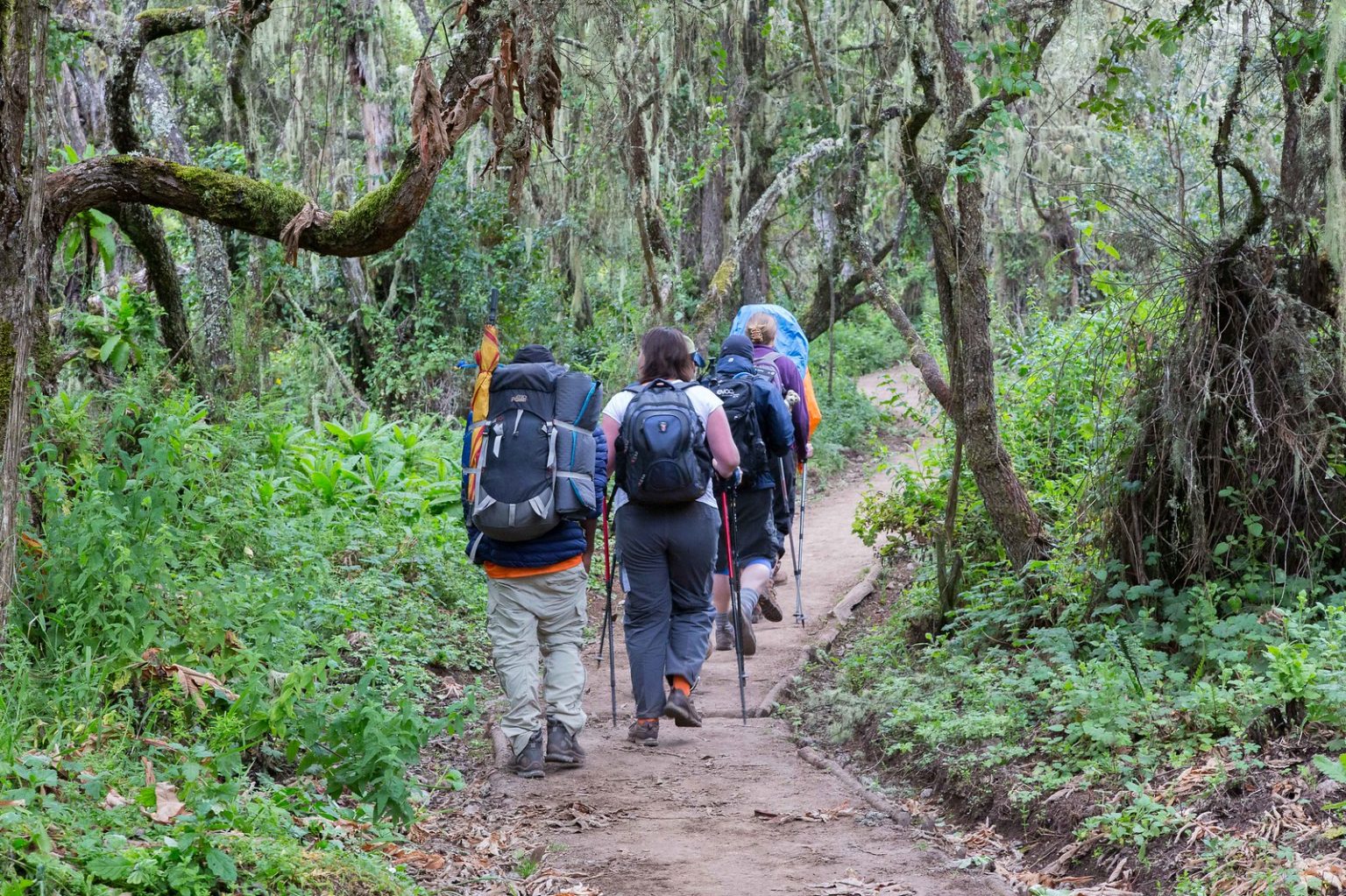
Local Kilimanjaro Team
Plan your climb with a team based close to the mountain and familiar with the local environment.
Journey from lush rainforest trails to Kilimanjaro’s extraordinary alpine summit with a locally based team helping you choose the right route, pace and preparation for your climb.
Speak directly with the Go Vision team in Tanzania.
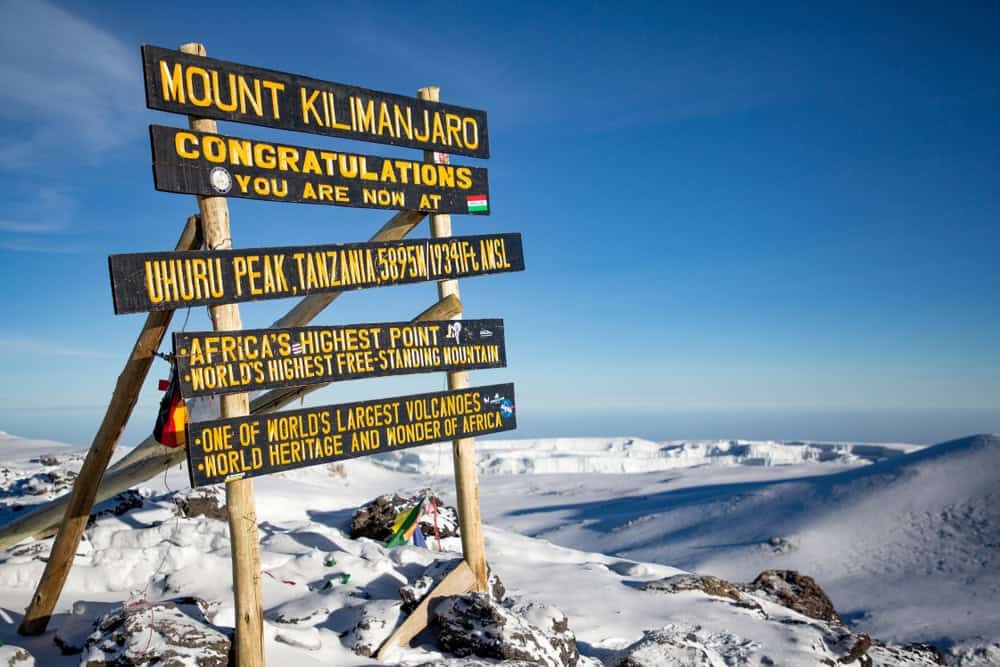
A Kilimanjaro climb begins long before you reach the trail. Our Tanzania-based team helps you select a suitable route, prepare carefully and understand what to expect throughout your mountain journey.
Plan your climb with a team based close to the mountain and familiar with the local environment.
We help match the route and number of trekking days to your experience, pace and travel plans.
Preparation, sensible pacing and acclimatisation remain central to the way each climb is planned.
Receive clear assistance before departure and attentive support throughout your Tanzania journey.
Combine Kilimanjaro with a wildlife safari, cultural experience or relaxing Zanzibar extension.
Thoughtful preparation. Honest route advice. Personal support from your first enquiry to your final descent.
A Kilimanjaro climb begins long before you reach the trail. Our Tanzania-based team helps you select a suitable route, prepare carefully and understand what to expect throughout your mountain journey.
Plan your climb with a team based close to the mountain and familiar with the local environment.
We help match the route and number of trekking days to your experience, pace and travel plans.
Preparation, sensible pacing and acclimatisation remain central to the way each climb is planned.
Receive clear assistance before departure and attentive support throughout your Tanzania journey.
Combine Kilimanjaro with a wildlife safari, cultural experience or relaxing Zanzibar extension.
Thoughtful preparation. Honest route advice. Personal support from your first enquiry to your final descent.
Climbing Kilimanjaro is a major personal journey. You deserve honest guidance, careful preparation and a local team that listens to your needs instead of offering the same climb to every traveller.
Local knowledge. Personal attention. Meaningful travel.
Plan your adventure with a Tanzania-based company that understands Kilimanjaro, the surrounding region and the practical details of travelling here.
Your route, duration and preparation advice are matched to your trekking background, travel dates, pace and wider Tanzania plans.
Receive practical information about fitness, clothing, equipment, altitude, travel logistics and what to expect during each stage of the climb.
Speak directly with people who listen, answer your questions and remain available throughout the planning process and your time in Tanzania.
Travel with a company that values Tanzania’s landscapes, supports local livelihoods and believes tourism should create a positive connection with the destination.
Extend your climb with wildlife safaris, cultural experiences, local community visits or a relaxing Zanzibar beach holiday.
Every Kilimanjaro route reaches the same summit, but the experience can feel completely different. Compare the scenery, number of days, accommodation and trail character before choosing the climb that suits you.
A varied and rewarding trail through rainforest, moorland and alpine desert. It is well suited to travellers who want impressive scenery and an active trekking experience.
A beautiful route beginning on the quieter western side of Kilimanjaro. The longer itinerary provides a gradual journey across the Shira Plateau before joining the southern circuit.
Kilimanjaro’s established hut-based route follows a direct ascent and descent. It appeals to travellers who prefer sleeping in permanent mountain huts instead of tents.
The mountain’s longest route travels around the quieter northern slopes. It offers extensive scenery and more time to adapt gradually before the summit attempt.
Rongai approaches Kilimanjaro from the northern side near the Kenyan border. Its remote beginning gives the early part of the climb a quieter wilderness feeling.
A steep and demanding route that gains elevation quickly. It is normally better suited to experienced, well-prepared trekkers who understand high-altitude challenges.
Your final route should also reflect your health, trekking experience, preferred accommodation, pace and overall Tanzania itinerary.
There is no single route that suits every traveller. However, these three itineraries provide strong starting points when comparing scenery, trekking time, trail atmosphere and acclimatisation opportunities.
A scenic journey beginning on Kilimanjaro’s quieter western side. The itinerary crosses rainforest and the expansive Shira Plateau before joining the mountain’s southern circuit.
Travellers seeking strong scenery, a longer itinerary and a balanced Kilimanjaro experience.
A well-established route featuring changing landscapes, interesting trail sections and impressive views of Kilimanjaro’s volcanic formations.
Active travellers looking for a classic route with varied terrain and memorable mountain views.
A longer journey around Kilimanjaro’s remote northern slopes, offering a different perspective of the mountain and a quieter atmosphere during much of the trek.
Travellers who value a quieter trail and have enough time for a longer Kilimanjaro itinerary.
The Go Vision team will help you narrow the options before you commit to a route.
Compare our featured Kilimanjaro climbs by route, mountain duration and accommodation style. Every itinerary can be discussed with our team before you make your final choice.
Consider the route’s daily pace, accommodation, scenery, acclimatisation time and your previous high-altitude experience.
A longer and scenic climb beginning on Kilimanjaro’s western side before crossing the Shira Plateau and joining the southern circuit.
A classic Kilimanjaro climb featuring varied landscapes, interesting trail sections and an additional day compared with the shorter Machame itinerary.
A more compact version of the Machame climb for travellers with limited time and suitable preparation for a faster mountain schedule.
A longer journey around Kilimanjaro’s remote northern side, offering broad landscapes, fewer encounters during parts of the trek and more time on the mountain.
A remote approach beginning near the Kenyan border and providing a quieter atmosphere during the first stages of the climb.
Kilimanjaro’s hut-based route follows an established ascent and descent trail and is suited to travellers who prefer sleeping in permanent mountain huts.
We can organise the mountain climb as part of one complete, personalised Tanzania journey.
The best route is not simply the shortest or most popular. It should reflect your available time, trekking experience, accommodation preference, desired scenery and comfort with a demanding high-altitude journey.
Lemosho is a strong option for travellers who want impressive scenery, a quieter beginning and a longer journey across Kilimanjaro’s western landscapes.
View Lemosho RouteMachame provides a classic Kilimanjaro experience with changing landscapes, interesting trail sections and memorable views across the mountain’s southern side.
Explore Machame OptionsThe Northern Circuit follows a longer journey around Kilimanjaro’s remote northern slopes and offers a quieter atmosphere during significant parts of the climb.
View Northern CircuitMarangu is Kilimanjaro’s principal hut-based route. It follows an established trail and uses shared permanent mountain huts instead of tented camps.
View Marangu RouteRongai begins on Kilimanjaro’s northern side, near the Kenyan border. The early trail offers a more remote atmosphere before descending by the Marangu Route.
Explore Rongai OptionsUmbwe gains elevation quickly and provides less time for gradual adjustment during its early stages. It should only be considered after an honest discussion about experience and fitness.
View Umbwe RouteWe will help you compare suitable routes without pushing you towards the shortest or most expensive option.
Kilimanjaro does not require technical climbing skills on the standard trekking routes, but its altitude makes it a serious mountain. A responsible climb places wellbeing, honest communication and sensible decisions before the pressure to reach the summit.
Longer routes generally give the body more time to respond to increasing altitude. When your schedule allows, avoid choosing an itinerary only because it reaches the summit in fewer days.
Related Go Vision planning →The climb is not a race. A controlled walking rhythm helps conserve energy and supports a more comfortable progression through the mountain’s changing elevations.
Related Go Vision planning →Tell the guide immediately about a new headache, nausea, dizziness, unusual tiredness, appetite loss or vomiting. Early communication allows the team to respond before symptoms become more serious.
Related Go Vision planning →A climber experiencing altitude-illness symptoms should not continue to a higher sleeping elevation. The guide may recommend rest, observation, a change to the itinerary or descent.
Related Go Vision planning →If symptoms worsen while resting at the same altitude, descent may become necessary. The safest decision can be to leave the summit attempt and move to a lower elevation.
Related Go Vision planning →Travellers with medical conditions, previous severe altitude illness or concerns about medication should consult a clinician familiar with high-altitude travel before departure.
Related Go Vision planning →Do not diagnose yourself on the mountain. Tell the guide about any new or worsening symptom.
Recognise and openly report the early signs of altitude illness.
Never climb to a higher sleeping altitude while experiencing symptoms.
Descend when symptoms worsen despite rest at the same elevation.
Our team can discuss itinerary length, altitude awareness, guide communication and the emergency arrangements applicable to your selected climb.
This page provides general trip-planning information and does not replace personalised medical advice, diagnosis or treatment.
A Kilimanjaro climb is a shared mountain effort. While you concentrate on walking, acclimatising and resting, the mountain crew manages navigation, camp organisation, meals, equipment and the daily movement of essential supplies.
The lead guide coordinates the mountain journey, communicates the daily plan and manages the group’s overall movement along the designated route.
Assistant guides help the group remain supported when climbers naturally walk at different speeds or require additional attention during the trek.
The mountain cook prepares meals in a demanding environment where weather, altitude and limited kitchen facilities require careful organisation.
Porters carry shared expedition equipment and supplies between camps, allowing climbers to walk with their personal daypacks.
The exact routine changes by route and camp, but the expedition follows an organised daily rhythm.
Breakfast, personal preparation, route briefing and organisation before leaving camp.
Guides manage the walking rhythm while the wider crew prepares for the next camp.
Camp organisation, meals, preparation for the evening and discussion of the following day.
The guide team organises pacing, communication and group support during the longest and most demanding stage.
Ask about the expected crew structure, guide communication, dietary arrangements and the services included in your selected itinerary.
Reaching Uhuru Peak should never come at the expense of the mountain crew or Kilimanjaro’s fragile environment. Responsible climbing considers how people are treated, how equipment is carried and how every group behaves on the trail.
Mountain crew members should receive agreed wages through a clear payment process and within the required period following the completion of the climb.
Shared expedition equipment should be weighed and allocated responsibly so that crew members are not expected to carry excessive company loads.
Guides, cooks and porters require sufficient meals and appropriate hydration throughout the expedition—not only the clients being supported.
Mountain personnel need proper clothing, shelter and sleeping arrangements suitable for Kilimanjaro’s cold, wind, rain and high-altitude conditions.
Crew wellbeing should be monitored alongside climber wellbeing. A sick or injured crew member must receive appropriate assistance, including help descending when necessary.
Climbers should receive tipping guidance before the trek, know the number and roles of crew members, and understand how gratuities will be distributed.
Kilimanjaro’s vegetation, wildlife, water sources and trails are part of a fragile protected environment.
Follow guide instructions and avoid creating shortcuts through sensitive vegetation.
Carry personal litter until it can be disposed of through the expedition’s approved waste system.
Reduce unnecessary single-use packaging and carry suitable refillable water bottles.
Do not remove rocks, plants, flowers or other natural materials from the national park.
Observe animals quietly without feeding, following or attempting to touch them.
Respect other climbers, the mountain crew and the natural atmosphere surrounding each camp.
How are company loads weighed and controlled?
How and when are crew wages paid?
What food and sleeping arrangements are provided?
How many people will be supporting our climbing group?
How does the tipping process work?
What happens when a crew member becomes ill?
We welcome questions about crew structure, baggage limits, tipping procedures, environmental practices and the operational standards of your selected route.
Every Kilimanjaro quotation should clearly explain the services organised for you, the expenses you will manage personally and any optional additions you have selected.
A package may include mountain days, hotel nights, airport transfers and other arrangements. Confirm each service individually before paying your deposit.
Ask questions whenever a service, fee or transfer is unclear. It is better to confirm everything before arriving in Tanzania.
These services are normally part of a complete guided Kilimanjaro package when they appear in your confirmed quotation.
Lead guide, assistant guide support, mountain cook and porters according to your route and group size.
Conservation, entry, camping or hut services stated in your selected climbing package.
Tented camps on camping routes or shared mountain huts when climbing the Marangu Route.
Scheduled breakfasts, trail lunches and evening meals during the mountain itinerary.
Water collection and treatment arrangements during the trek. Climbers carry refillable bottles or hydration containers.
Scheduled transport between the confirmed hotel and the Kilimanjaro entrance and exit gates.
Shared camp and expedition equipment required for the selected route, as described in your quotation.
Final route discussion, baggage guidance, equipment review and preparation before departure.
These costs are normally managed by the traveller unless they have been clearly added to the personalised package.
Flights to and from Tanzania, airline taxes, baggage fees and other airline charges.
Visa fees, passport expenses, vaccinations and other personal entry requirements.
Personal insurance suitable for your trip, medical needs and high-altitude trekking.
Boots, clothing, sleeping bag, daypack and the other personal items shown on your equipment list.
Tips for guides, cooks and porters are normally separate from the climbing package.
Laundry, telephone use, souvenirs, additional drinks, snacks and services not listed as included.
Accommodation and transport not specifically shown in the final itinerary.
Medical treatment, itinerary changes, evacuation or additional services not covered by the package or insurance.
Route length, hut or camping accommodation, hotel nights, airport transfers and optional services can change the final package. Always use the confirmed quotation as your official reference.
Add only the services that fit your wider Tanzania travel plans.
Transport between Kilimanjaro International Airport and your accommodation.
Rest before the climb or recover after completing your mountain journey.
Selected personal trekking items, subject to availability, sizing and inspection.
Continue your journey with Tanzania wildlife or an Indian Ocean beach extension.
Send us your travel month, group size, preferred route and any safari or Zanzibar plans.
Kilimanjaro can be climbed throughout the year, but each season brings a different balance of rainfall, trail activity, visibility and mountain atmosphere.
These months commonly offer a favourable balance of clearer periods and generally lighter rainfall before the long-rain season develops.
March can begin with favourable conditions, but rain commonly becomes more frequent as the month progresses towards the long-rain period.
These are normally the rainiest months around the mountain. Trails can be wetter and cloud cover more frequent, especially through the forest zone.
This is one of Kilimanjaro’s most popular climbing periods. Conditions are often drier, but nights and higher elevations can feel particularly cold.
October can still offer attractive climbing conditions, but rainfall may become more variable as the short-rain season approaches.
November commonly brings shorter seasonal rains. Conditions can change between sunshine, cloud and rainfall within a relatively short period.
December often becomes more favourable after the short rains, although some rainfall and cloud remain possible during the seasonal transition.
A general planning overview rather than a weather guarantee.
Suitable for travellers prioritising one of the mountain’s main climbing periods.
Lower slopes can feel greener while offering another popular seasonal climbing window.
March, May, June, October or November may feel quieter, but weather can be less predictable.
Trail exposure, campsite locations and route direction can influence how conditions feel.
Flexible travellers can also ask us to recommend alternative dates around their preferred travel period.
Kilimanjaro is a multi-day high-altitude trek. Preparation should build walking endurance, confidence on hills and familiarity with the clothing and equipment you will use on the mountain.
Begin from your current fitness level and increase activity gradually. Recovery is part of preparation, not time lost from it.
Establish a consistent routine using comfortable walks, gentle hills and other suitable cardiovascular activities.
Introduce uphill and downhill walking where available. Stairs or an inclined treadmill can provide alternatives in flatter locations.
Complete some longer walks carrying the daypack, water and clothing layers you expect to manage on the mountain.
Avoid trying to gain last-minute fitness. Focus on maintaining gentle activity, recovery, equipment checks and travel preparation.
Kilimanjaro preparation is broader than speed or maximum strength.
The ability to remain comfortable during several hours of steady daily movement.
Support for uphill trekking, uneven ground and the long descent from the mountain.
Confidence on rocky, loose, wet or uneven sections of the trail.
The ability to rest, eat and begin walking again on the following morning.
Your final equipment list should be matched to the route, climbing month and services included in your package.
Tell us your selected route, travel month and which items you may need to rent in Tanzania.
This section provides general preparation information. Training, medical and equipment needs differ between travellers.
Good preparation begins with honest information. These answers cover the questions travellers most often ask before choosing a route, preparing equipment and confirming their Kilimanjaro journey.
Select each question to reveal the answer. Only one answer remains open at a time to keep the section easy to read.
Previous technical climbing experience is not normally required on the standard trekking routes. However, Kilimanjaro remains a demanding multi-day high-altitude trek.
Beginners should prepare through regular walking, hill training, appropriate equipment and a route duration that allows a more gradual ascent.
The best route depends on your available time, preferred scenery, accommodation style, budget and interest in a quieter or more popular trail.
The correct duration depends on the selected route. A longer itinerary generally provides more time for gradual altitude exposure than a compressed schedule.
Compare the number of trekking days, elevation profile and acclimatisation opportunities—not only the package price.
Climbers normally sleep in mountain tents on routes such as Lemosho, Machame and Rongai. Marangu uses shared mountain huts.
Accommodation is practical rather than hotel-style. A suitable sleeping bag and warm, dry sleeping clothes are essential.
Toilet arrangements vary by route, campsite and selected package. Public mountain toilets may be available at established camps. A private portable toilet applies only when specifically included.
Conventional showers are generally not part of mountain camping. Washing arrangements are simple and use limited water.
Mountain meals normally include breakfasts, trail lunches and evening meals prepared by the expedition cook.
Share allergies, dietary requirements and foods you cannot eat before arrival. Options depend on what can reasonably be stored, carried and prepared on the mountain.
The mountain team normally manages water collection and treatment during the trek. Climbers carry their daily water in refillable bottles or a hydration system.
Confirm the recommended carrying capacity and suitable containers in your final equipment guide.
Tell the guide immediately about headaches, nausea, unusual fatigue, dizziness, breathing difficulty or any change in how you feel.
Never hide symptoms to protect a summit attempt. The guide may slow your pace, stop further ascent or organise descent according to your condition.
You will receive a personal mountain baggage allowance before departure. Pack only the items required for the trek and keep essential daily equipment in your own daypack.
Excess luggage should remain securely stored at the hotel or another agreed location.
Mobile reception may be available in some locations but should never be considered reliable throughout the route.
Standard mountain camps do not provide dependable charging facilities. Carry charged power banks and protect electronics from moisture and cold.
Travellers should arrange suitable travel and medical insurance for the complete journey, including the planned trekking altitude and relevant emergency assistance.
Read the policy wording carefully. Coverage limitations, exclusions and documentation requirements differ between insurance providers.
Crew gratuities are normally separate from the package price. Before departure, request clear guidance showing the expected crew structure and recommended tipping process.
Any gratuity should be handled transparently so travellers understand how it will be distributed among guides, cooks and porters.
Kilimanjaro is still a meaningful experience even when a climber does not reach the summit. Weather, altitude response, illness and personal circumstances can all affect the journey.
Follow the guide’s decision and measure success by responsible participation—not by ignoring symptoms or continuing unsafely.
Yes. Many travellers continue with a northern Tanzania safari, a Zanzibar beach stay or both.
Include enough recovery and transfer time between the mountain and the next part of your journey, particularly before long drives or flights.
These questions help you compare packages more accurately.
Include your preferred month, group size and any concerns about preparation, equipment or the mountain itinerary.
Kilimanjaro is remembered through more than a summit photograph. Climbers often carry home memories of the changing landscapes, quiet trail moments, encouragement from the mountain team and the determination required to keep moving forward.
Every climber experiences Kilimanjaro differently, but many mountain journeys move through these three emotional stages.
The journey often begins with equipment checks, introductions, final questions and the mixture of excitement and nervousness that comes before a major personal challenge.
Daily life becomes simpler: walk steadily, eat, drink, rest and prepare for the next stage. The pace of the group and support of the crew become central to the experience.
Returning from the mountain brings a different kind of emotion. The climb becomes a story of preparation, difficult moments, shared effort and personal discovery.
Kilimanjaro memories are created throughout the route, not only during the final ascent.
The moment the summit or upper slopes appear clearly above the landscape for the first time.
Encouragement from guides, cooks, porters and fellow climbers during difficult sections of the route.
Watching daylight spread across the landscape after hours of movement in darkness and cold.
The satisfaction of a warm shower, fresh clothing, a comfortable meal and time to reflect after the descent.
Guest quotations should be published exactly as received, with permission where required. Names, countries, climbing routes and dates should only be displayed when they have been confirmed.
View Published Guest ReviewsTell future climbers about the route, mountain team, preparation and lessons you carried home.
Continue to the final section to explore safari and Zanzibar extensions designed around your climbing dates.
After Kilimanjaro, continue into Tanzania’s wildlife landscapes, recover beside the Indian Ocean or combine both experiences in one carefully organised itinerary.
Complete your selected Kilimanjaro route with the mountain team.
Rest, enjoy a warm meal and prepare comfortably for the next experience.
Continue into northern Tanzania for wildlife, scenery and cultural experiences.
End beside Zanzibar’s warm coast with time to slow down and reflect.
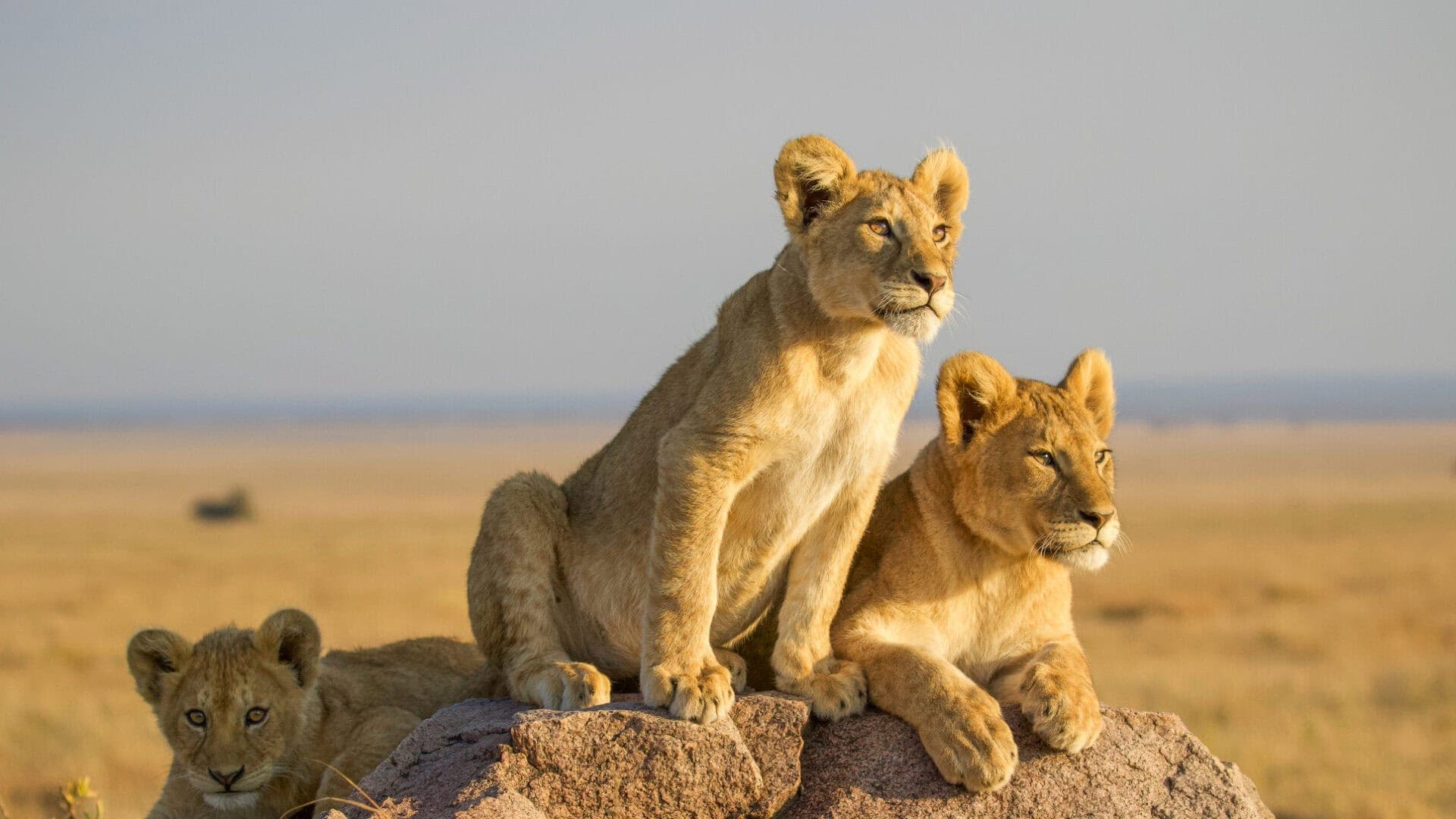
Exchange trekking boots for a private safari vehicle and explore destinations such as Tarangire, Ngorongoro or the Serengeti.
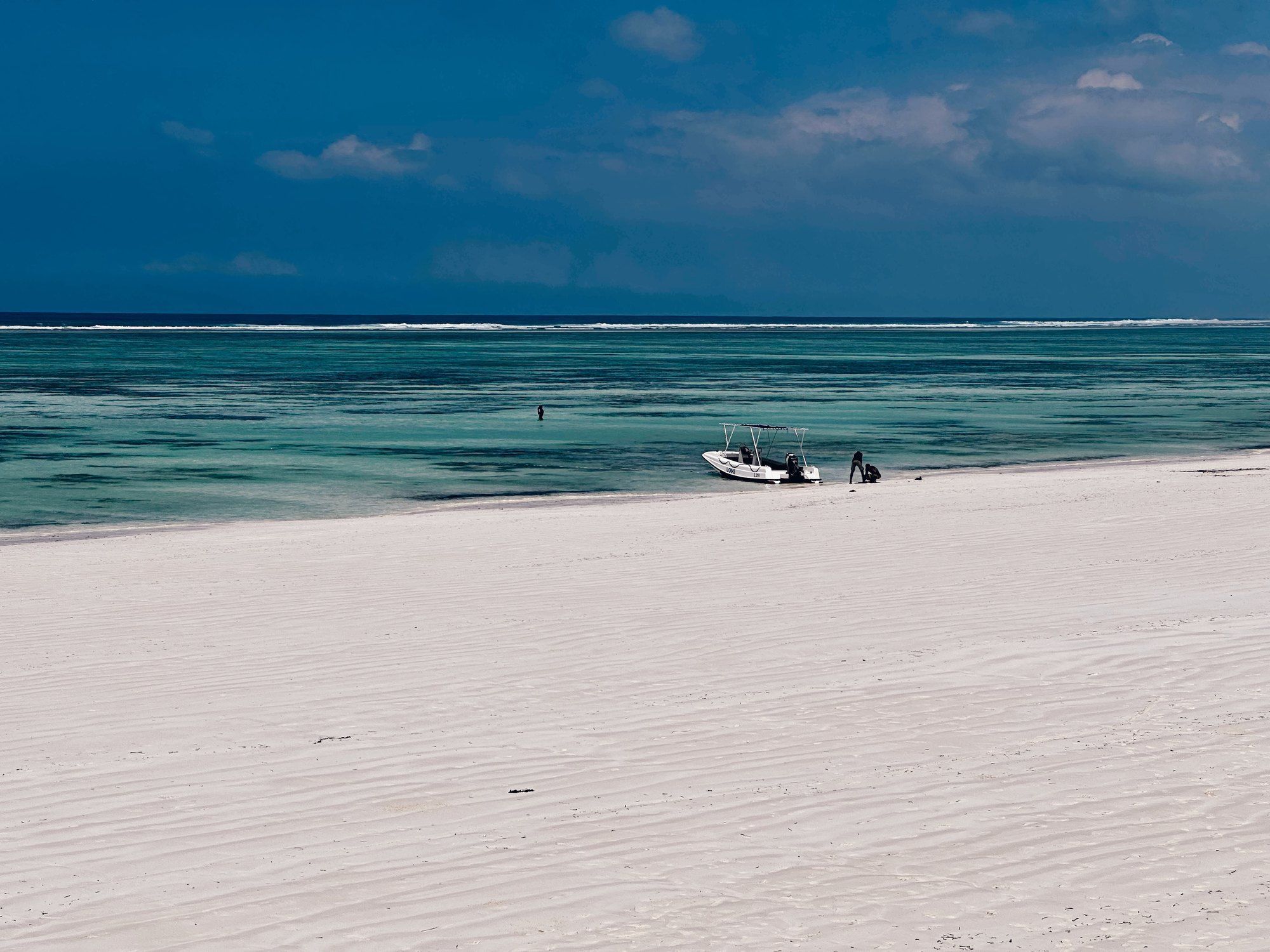
Slow down beside the coast, explore Stone Town or add carefully selected island experiences after your mountain journey.
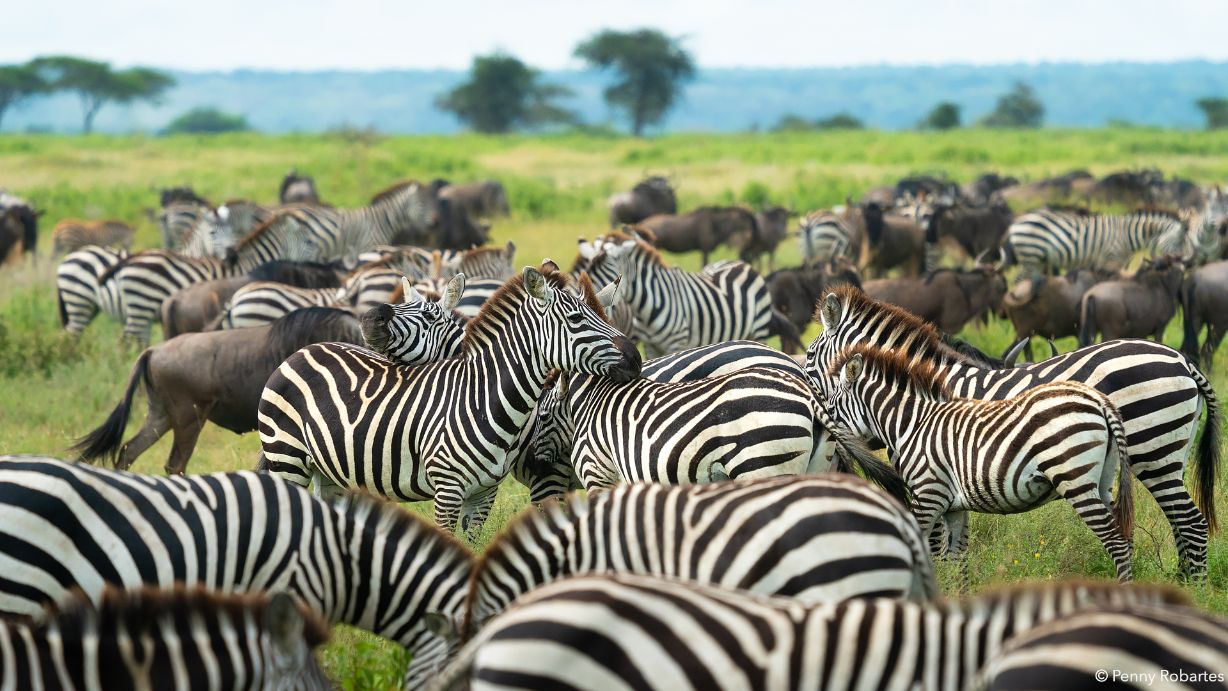
Create one connected itinerary combining the personal challenge of Kilimanjaro, Tanzania’s wildlife and a relaxing island conclusion.
Share these details so the different parts of your Tanzania journey fit together smoothly.
Your arrival and departure dates define the complete travel window.
Route duration determines when the next experience can begin.
Decide whether you prefer immediate travel or an extra rest night.
Select safari, Zanzibar or a complete wildlife-and-beach combination.
Share your accommodation, privacy and daily pacing preferences.
Confirm the number of adults, children or private group participants.
Tell us your preferred month, route, group size and extension ideas. Go Vision Safaris will prepare one clear itinerary connecting every stage of your journey.
Locally planned Kilimanjaro climbs, Tanzania safaris and Zanzibar journeys.