Steep from the Start
Umbwe begins with a direct climb through rainforest. The trail gains height quickly, so the first two days can feel demanding even before you reach the higher mountain.
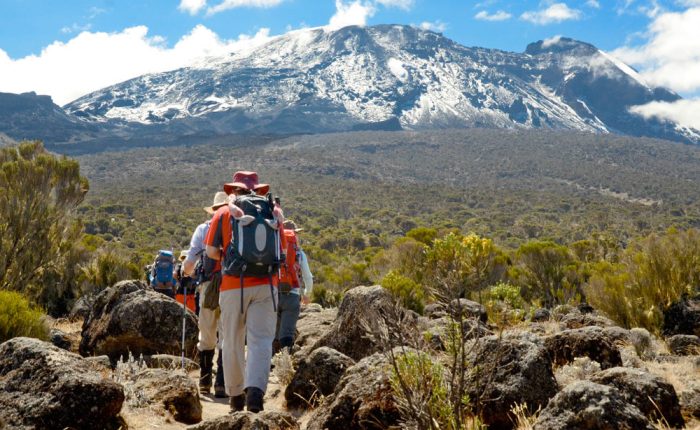
The Kilimanjaro Umbwe Route is known for its steep approach, dramatic scenery and fast transition through the mountain’s different ecological zones. It is best suited to fit trekkers looking for a more challenging way to reach Uhuru Peak.
A compact Kilimanjaro climbing itinerary following the Umbwe approach before connecting with the southern summit circuit.
DurationThe ultimate goal is Uhuru Peak, the highest point on Mount Kilimanjaro and the highest point in Africa.
Summit AltitudeUmbwe gains altitude quickly and includes steep terrain, making fitness, preparation and careful pacing especially important.
DifficultyNights are spent at designated mountain camps as your Go Vision support team prepares the next stage of the climb.
AccommodationBegin through Kilimanjaro’s lush southern rainforest before reaching the open landscapes around Barranco and Karanga.
Route StyleA strong option for confident hikers who understand that Umbwe is less forgiving than Kilimanjaro’s more gradual routes.
Best ForUmbwe rewards preparation. Its steep profile makes this route exciting, but also means acclimatisation should be taken seriously. Our mountain team focuses on sensible pacing, hydration, regular health checks and clear communication throughout your climb.
Ask About the Umbwe Route →
The Umbwe Route offers a very different Kilimanjaro experience. Its steep southern approach, dramatic landscapes and quieter early trail make it especially appealing to strong trekkers looking for a serious mountain challenge.
Umbwe climbs quickly through the lower slopes of Kilimanjaro, creating an immediate sense of adventure from the first trekking day.
Move from lush rainforest into open heath, rocky alpine terrain and spectacular high-altitude landscapes as the mountain changes around you.
The opening stages of the Umbwe Route can feel more secluded than some of Kilimanjaro’s better-known approaches, adding to its expedition atmosphere.
The route eventually reaches the spectacular southern circuit, bringing you towards Barranco, Karanga and Barafu before the final summit push.
Umbwe is not simply about reaching the summit faster. Because the route gains altitude aggressively, good preparation, sensible pacing and careful acclimatisation are essential parts of the experience.
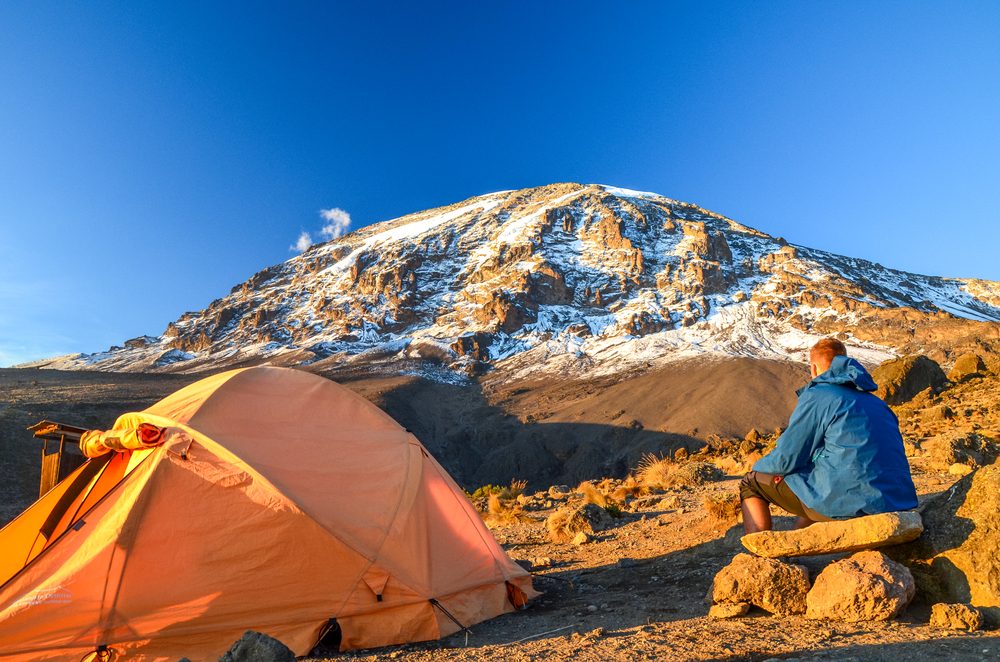
Follow the Umbwe Route from Kilimanjaro’s lush southern forest through Barranco, Karanga and Barafu before the final summit push to Uhuru Peak. After celebrating at the highest point in Africa, descend through the Mweka Route.
Begin the climb through dense montane rainforest on Kilimanjaro’s southern slopes.
Continue higher as thick forest gradually gives way to heath and open mountain scenery.
Reach one of Kilimanjaro’s most dramatic camps beneath the famous Barranco Wall.
Cross the Barranco Wall and continue across rugged high-altitude terrain towards Karanga.
Arrive at the final high camp and prepare physically and mentally for summit night.
Stand on the roof of Africa before beginning the long descent towards the lower mountain camps.
Finish your Kilimanjaro adventure by descending through changing vegetation zones towards Mweka Gate, where the mountain journey comes to an end.
The Umbwe approach is steep in its opening stages. Once it reaches Barranco, the route connects with Kilimanjaro’s southern circuit before continuing towards Barafu and the summit.
Your Kilimanjaro adventure begins beneath the dense green canopy of the mountain’s southern rainforest. After completing the required entry formalities at Umbwe Gate, meet your mountain team, organise your equipment and take your first steps towards Africa’s highest summit.
The trail leads steadily upwards beneath towering trees, vines and thick tropical vegetation. The air is humid, the forest feels remote and the sounds of the lower mountain accompany you as you settle into your trekking rhythm.
As the route gains elevation, the path becomes noticeably steeper. Your guide encourages a controlled, pole pole pace — slowly and steadily — allowing your body to begin adjusting to the increasing altitude.
Later in the afternoon, arrive at Umbwe Cave Camp where your Go Vision mountain crew welcomes you to your first night on Kilimanjaro. Dinner, hydration and rest become the priority as you prepare for the next stage towards Barranco.
Few introductions to Kilimanjaro feel as immediate as Umbwe. Dense forest, steep terrain and the sense of leaving the foothills behind create a genuine expedition atmosphere from the first day.
Wake to your second morning on Kilimanjaro and continue steadily upwards as the dense forest begins to disappear behind you. Today the landscape opens dramatically, revealing the rugged upper slopes of the mountain and the distinctive scenery of Kilimanjaro’s southern side.
The trail continues along a steep ridge as the rainforest gradually thins. Moss-covered trees and dense vegetation give way to giant heathers, open ridgelines and wider mountain views.
This change in landscape is one of the most rewarding parts of the Umbwe Route. With every hour of climbing, the mountain feels larger and more exposed, while the valleys below begin to fall away behind you.
Your Go Vision mountain guide keeps the pace controlled and consistent. On a route as direct as Umbwe, walking slowly, drinking regularly and listening to your body are especially important as you move into thinner air.
Later in the day, the trail reaches Barranco Camp, dramatically positioned beneath the towering Barranco Wall. This is one of Kilimanjaro’s most memorable camps and an important point in the journey, where the Umbwe approach joins the southern circuit.
The rapid elevation gain is part of what makes the Umbwe Route demanding. Your guide will encourage a slow pace, good hydration, regular meals and plenty of rest once you reach camp.
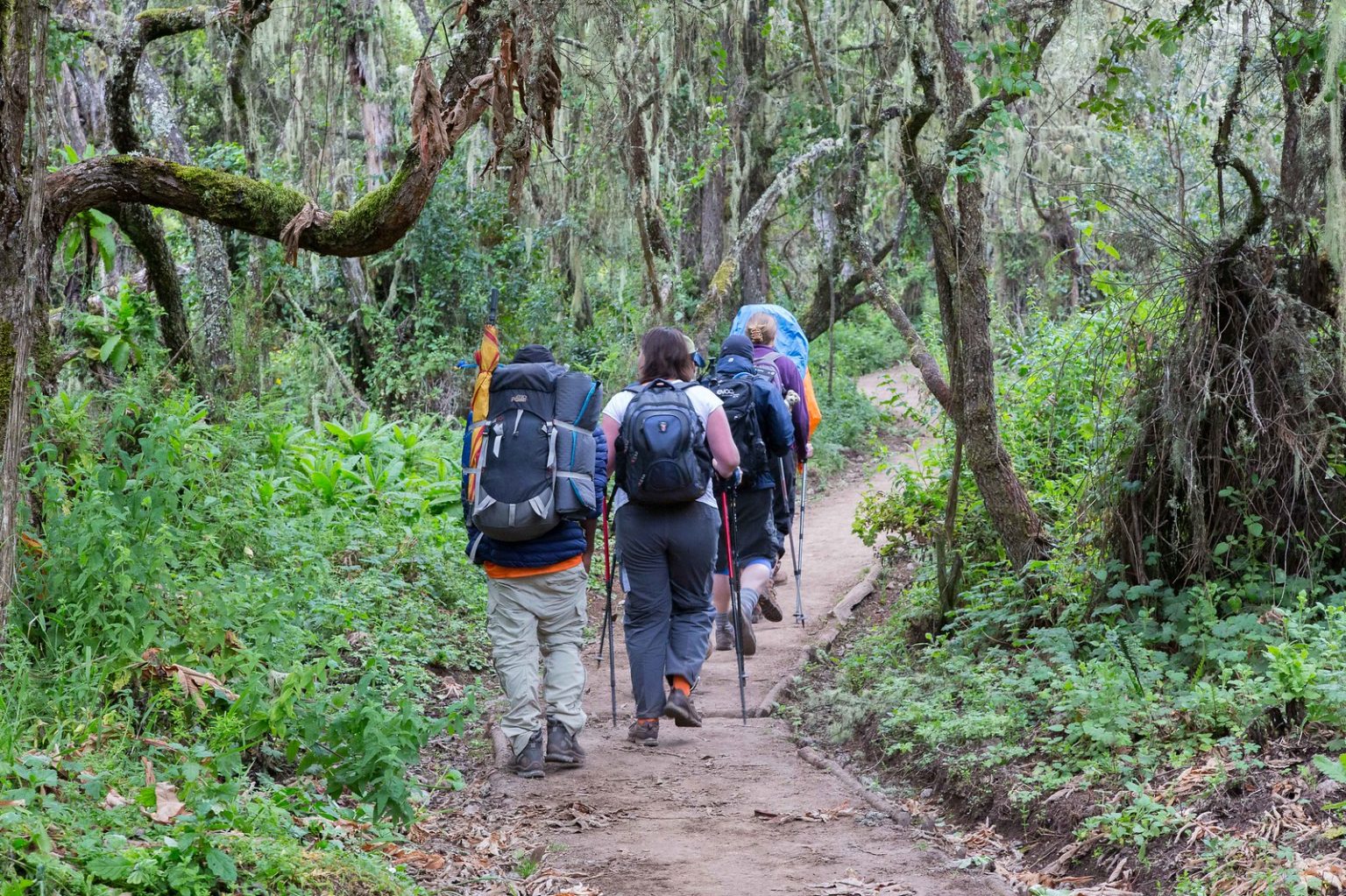
From enclosed rainforest to open alpine scenery — today Kilimanjaro begins to reveal its scale.
Southern slopes of
Mount Kilimanjaro
Your Umbwe Route adventure begins on the green southern slopes of Mount Kilimanjaro. After arriving at Umbwe Gate and completing the required park procedures, meet your Go Vision mountain team, organise your equipment and begin the first stage of your climb.
The trail rises beneath a dense canopy of tropical forest, surrounded by moss-covered trees, vines and the deep greens of Kilimanjaro’s lower mountain zone.
As you continue higher, the route becomes noticeably steeper. This is where the character of Umbwe begins to reveal itself: direct, quiet and adventurous.
Your guide sets a controlled pole pole pace, encouraging you to walk steadily, drink regularly and conserve energy. On Kilimanjaro, patience is one of the most important parts of reaching the summit.
Arrive at Umbwe Cave Camp in the afternoon and settle into mountain life. Your support team prepares camp while you change into warm clothing, rehydrate, enjoy dinner and rest after your first demanding climb.
Umbwe gains altitude quickly, so there is no advantage in rushing. A calm walking rhythm helps conserve energy and gives your body more time to respond to the increasing elevation.
Wake to a new side of Kilimanjaro as the trail continues upwards from Umbwe Cave Camp. Today the enclosed rainforest gradually falls away, revealing increasingly open ridges, rocky valleys and the distinctive vegetation of the mountain’s heath zone.
The climb remains demanding, but the changing scenery gives this stage a completely different character. As you gain elevation, wider views begin to appear and the scale of Kilimanjaro becomes increasingly dramatic.
Umbwe Cave Camp
Barranco Camp
Approximate
Rocky ridges & valleys
Leaving the thick rainforest behind, you continue through increasingly sparse vegetation where giant heathers, rocky slopes and deep valleys replace the dense green canopy of the previous day.
The trail becomes steeper along the Umbwe ridge before gradually easing as you approach Barranco Valley. Your guide maintains a patient rhythm throughout the climb, allowing plenty of time for short breaks, hydration and observation of how your body is responding to the altitude.
By afternoon, the trail reaches Barranco Camp — one of the most impressive settings on Kilimanjaro and your base for the night beneath the imposing Barranco Wall.
Barranco Camp introduces you to one of Kilimanjaro’s most recognisable landscapes. Towering terrain rises above camp, creating a dramatic preview of tomorrow’s adventure.
Umbwe gains height quickly. Walk slowly, drink regularly, eat well and tell your guide how you are feeling. Your mountain team will help you maintain a controlled pace as you adjust to the thinner air.
Today brings one of the most memorable stages of your Kilimanjaro Umbwe Route adventure. Leave Barranco Camp, tackle the spectacular Barranco Wall and continue across a dramatic landscape of ridges and valleys towards Karanga Camp.
After breakfast, leave camp and approach the enormous Barranco Wall rising dramatically ahead of you. From below, it can look intimidating, but the established trail follows a carefully chosen route through the rock.
Your guide leads the way as you steadily work upwards. This section is more about controlled movement and patience than speed. The reward is an extraordinary perspective across Kilimanjaro’s southern slopes.
Once above the Wall, the journey continues across rugged high-altitude terrain. The trail rises and descends through valleys and ridges before reaching Karanga Camp.
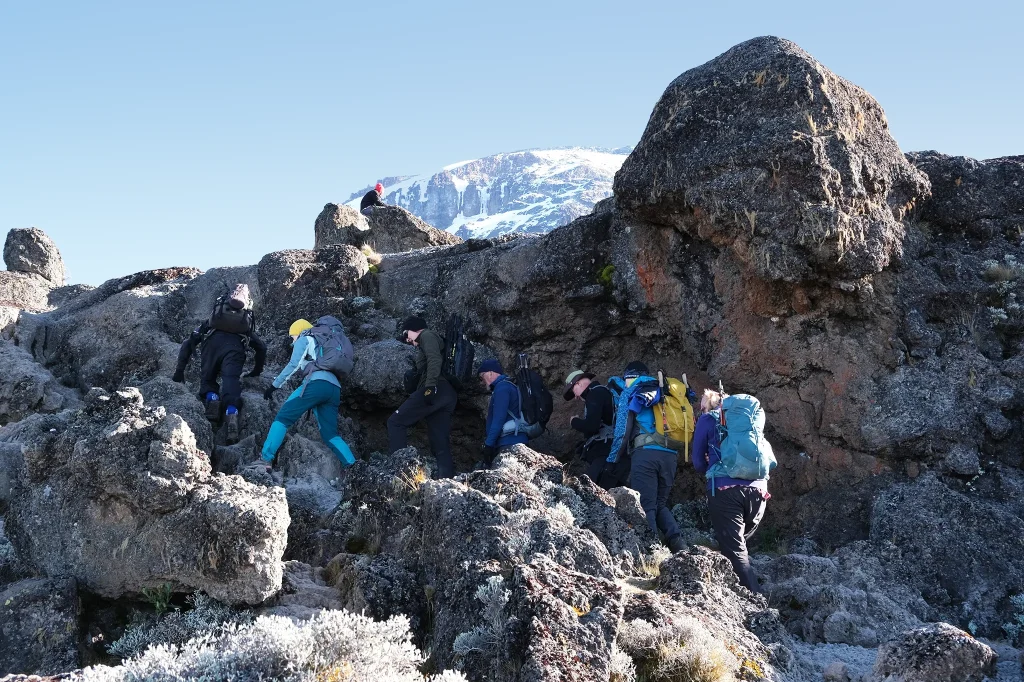
One of Kilimanjaro’s most recognisable trail features, Barranco Wall adds an exciting sense of adventure to the southern circuit and becomes a major highlight of the Umbwe Route experience.
Begin the day with the iconic climb above Barranco Camp.
Continue through ascents and descents across Kilimanjaro’s southern circuit.
Reach camp, recover, hydrate and prepare for the next move towards Barafu.
Depending on conditions and your guide’s assessment, the afternoon may include an additional acclimatisation walk towards Barafu before returning to Karanga Camp. This gives your body more exposure to altitude before the journey continues higher.
Settle into Karanga Camp and take time to recover. The summit is getting closer, but conserving energy remains important. Eat well, stay hydrated and prepare for the move to Barafu Camp.
The summit is now close. Leave Karanga Camp and continue steadily into Kilimanjaro's stark alpine environment, where vegetation disappears and volcanic rock dominates the landscape.
After breakfast, begin the climb away from Karanga and continue steadily towards Barafu. The trail becomes increasingly barren as grasses and hardy plants disappear, replaced by volcanic rock and wide views across the upper mountain.
At this altitude, the air is noticeably thinner. Your guide keeps the pace deliberately slow so that energy is conserved for the demanding summit climb ahead.
Barafu Camp marks a major milestone. Once you arrive, the focus changes completely from gaining distance to preparing your body and mind for the final ascent to Uhuru Peak.
Once at Barafu, everything becomes focused on the summit. Eat, hydrate, organise your clothing and equipment, and take every opportunity to rest before departure later in the night.
Depending on conditions and your guide's assessment, an additional acclimatisation walk can take you higher before returning to Barafu Camp to rest. This follows the useful mountain principle of gaining additional altitude before sleeping lower.
After an early dinner, settle into your tent and rest. Later in the night, your guide will wake the team, final checks will be completed and the climb towards Africa's highest point will begin.
Arriving at Barafu can feel exciting, but the hardest part of the climb is still ahead. Keep movements slow, stay warm, eat even if your appetite is reduced and use every available moment to rest.
The moment you have been preparing for has arrived. Around midnight, leave Barafu Camp beneath a dark Kilimanjaro sky and begin the demanding final climb towards Uhuru Peak — the highest point in Africa.
Your summit climb begins in darkness. Headlamps illuminate the trail as the team moves steadily upwards through the cold, thin air of Kilimanjaro's upper slopes.
This is where patience matters most. Your Go Vision mountain guide maintains a slow and controlled rhythm while monitoring how you are responding to the increasing altitude.
The night can feel long, but gradually the eastern horizon begins to brighten. Darkness gives way to the first colours of morning as you continue towards the summit of Mount Kilimanjaro.
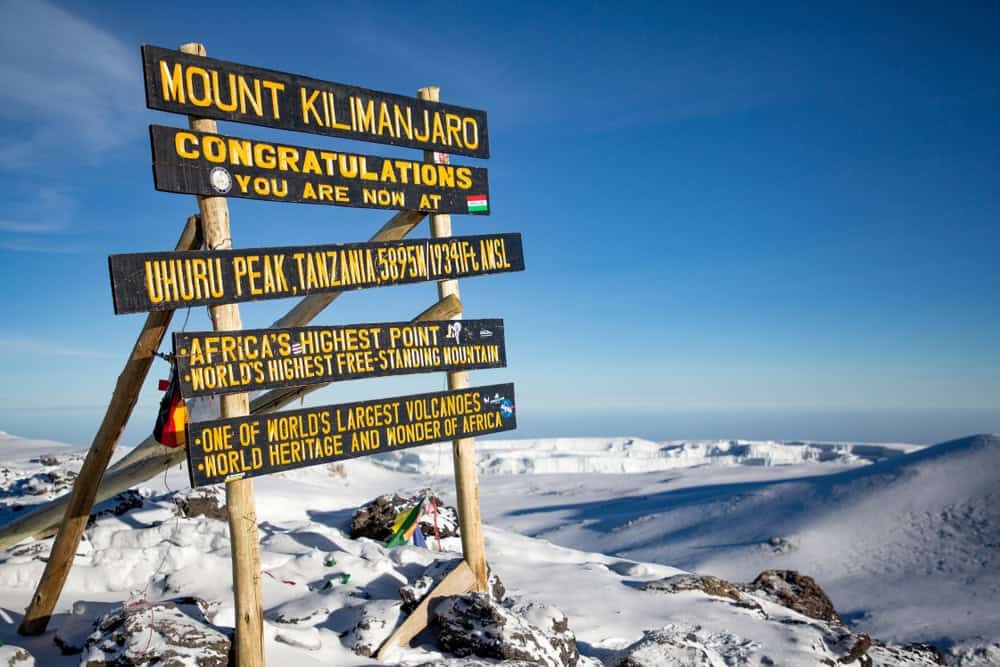
Reach the summit and take in one of the most unforgettable moments of your Kilimanjaro journey. Celebrate your achievement, take photographs and absorb the extraordinary high-altitude landscape around Africa's highest point.
Dress warmly, prepare your summit essentials and begin climbing under the night sky.
Follow your guide steadily through cold, high-altitude terrain.
Reach 5,895 metres and celebrate on the Roof of Africa.
Leave the summit and begin descending back towards Barafu Camp.
Continue downhill to a lower altitude for a well-earned night's rest.
After celebrating at Uhuru Peak, begin your long descent. Return through Barafu Camp, rest and refuel before continuing lower towards Millennium Camp.
Summit night requires patience, communication and teamwork. Follow your guide's instructions, communicate how you feel and maintain a controlled pace throughout the ascent and descent.
From the forests of Umbwe to the highest point on Mount Kilimanjaro — today represents the culmination of every step, every climb and every moment of preparation.
Wake on Kilimanjaro with the summit behind you and one final journey ahead. After breakfast, begin your descent through the greener lower slopes towards Mweka Gate, completing your six-day Umbwe Route adventure.
After the exposed landscapes of summit day, today's surroundings feel completely different. As you descend, the air becomes warmer and vegetation gradually returns.
Your legs may feel the effort of the previous day's summit climb, so today's descent is taken steadily. There is no need to rush — enjoy the forest, breathe deeply and take in your final hours inside Kilimanjaro National Park.
Eventually, the trail reaches Mweka Gate, marking the official end of your trek. After completing the park exit procedures, meet your transfer vehicle and begin the journey back for a well-earned shower, meal and rest.
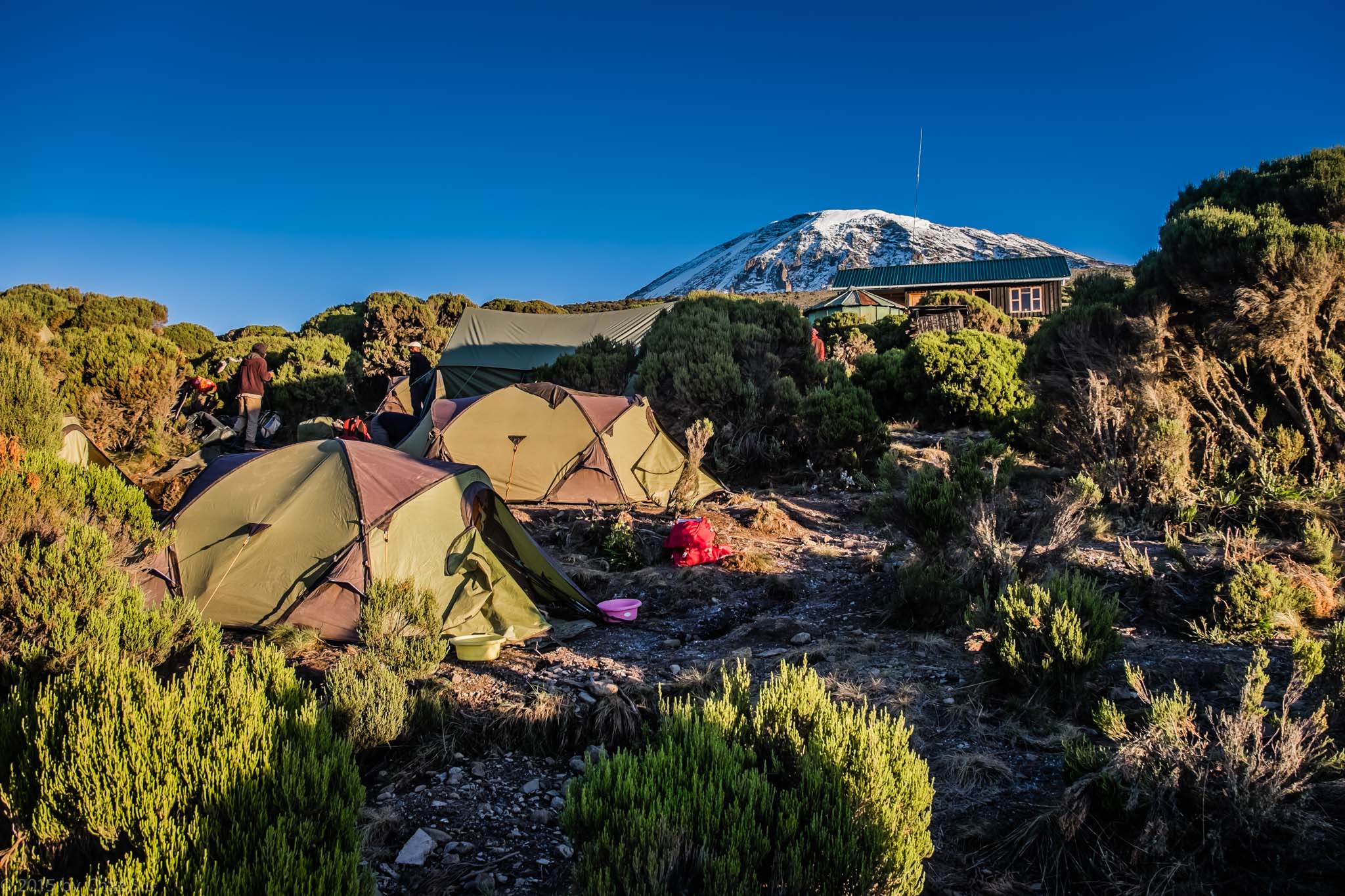
From high mountain camp back into Kilimanjaro's rich lower forest.
Wake at Millennium Camp after the extraordinary achievement of summit day.
Watch the landscape transform as you move steadily towards Kilimanjaro's lower slopes.
Complete the trekking stage of your Kilimanjaro Umbwe Route adventure.
Meet your transfer and enjoy a much-deserved shower, meal and rest.
Your Kilimanjaro climb is a team effort. Guides, porters and cooks all play an important role in supporting the expedition from the first steps at Umbwe Gate to the summit and safely back down to Mweka Gate.
The Umbwe Route begins on Kilimanjaro's southern slopes, climbs steeply through rainforest and high mountain terrain, joins the Southern Circuit near Barranco and continues towards Barafu before the final ascent to Uhuru Peak.
After reaching Africa's highest point, the route descends through Millennium Camp and exits the mountain at Mweka Gate.
Rainforest entrance
Roof of Africa
Trek complete
≈ 1,600 m
≈ 2,900 m
≈ 3,950 m
≈ 4,040 m
≈ 4,645 m
5,895 m
≈ 3,820 m
≈ 1,640 m
The defining feature of the Umbwe Route is its direct ascent through Kilimanjaro's southern terrain. The first days gain altitude quickly before the trail reaches Barranco and connects with the mountain's Southern Circuit.
From there, the route moves through Karanga and Barafu, positioning climbers for the final summit ascent. After Uhuru Peak, the journey turns downhill and follows the Mweka descent route back into the rainforest.
Umbwe gains altitude relatively quickly during its early stages. Trek slowly, stay hydrated and follow your mountain guide's pacing and health guidance throughout the climb.
The Umbwe Route is known for gaining altitude quickly, especially during its early stages. Understanding the elevation profile helps explain why a slow pace, regular hydration and careful altitude monitoring are so important.
Umbwe begins with a relatively direct ascent through the southern side of Kilimanjaro. This means climbers reach higher elevations quickly compared with routes that spend more time gradually approaching the mountain.
The challenge is not simply steep terrain. Your body also needs time to respond to lower oxygen levels as elevation increases.
Maintain a slow and sustainable pace even when you feel strong. Saving energy becomes increasingly important as altitude rises.
Keep drinking throughout each trekking day rather than waiting until you feel thirsty.
Where suitable, additional acclimatisation walks expose your body to higher elevations before returning to camp.
Always communicate headaches, nausea, unusual fatigue or other changes in how you are feeling.
Warm, green and humid terrain surrounds the early stages of the Umbwe climb.
Forest gives way to giant heathers, ridges and increasingly open mountain views.
Vegetation becomes sparse as the trail approaches Karanga and Barafu.
Cold temperatures, thin air and exposed terrain define the final journey towards Uhuru Peak.
Kilimanjaro rewards patience. Follow your guide's pace, eat and drink consistently and communicate openly about how you feel. The goal is to progress safely and steadily while giving your body the best opportunity to adjust to altitude.
The Umbwe Route is a serious Kilimanjaro challenge. Its direct profile means steep trekking and relatively rapid altitude gain during the first days, making physical preparation, sensible pacing and good mountain guidance especially important.
Best suited to fit trekkers who understand that Kilimanjaro is primarily an altitude challenge as well as a physical one.
Umbwe begins with a direct climb through rainforest. The trail gains height quickly, so the first two days can feel demanding even before you reach the higher mountain.
The relatively fast increase in altitude gives the body less time to adjust during the early stages. This makes slow pacing and honest communication with your guide particularly important.
Beyond the forest, the route crosses exposed ridges, valleys and rocky high-altitude terrain before reaching Karanga and Barafu.
Summit night combines cold conditions, darkness, fatigue and very high altitude. Mental determination becomes just as important as physical fitness.
You do not need to be a professional mountaineer, but you should arrive physically prepared, mentally committed and comfortable with long days of trekking.
Good cardiovascular fitness Regular hiking, running, cycling or similar endurance work.
Strong legs Prepare for sustained uphill and downhill walking.
Experience with long hikes Back-to-back trekking days should not be completely new.
Mental resilience Stay patient when tired, cold or moving slowly.
Respect for altitude Fitness alone does not prevent altitude problems.
Team mindset Listen carefully to your guide and communicate openly.
Steep rainforest ascent and your first significant altitude gain.
Continued climbing as the landscape opens and elevation increases significantly.
Barranco Wall, rocky terrain and repeated ascents and descents.
Higher altitude, alpine desert and careful preparation for summit night.
The biggest challenge: overnight ascent to Uhuru Peak followed by a long descent.
Physically easier, although tired legs make the long descent noticeable.
Strong fitness can make the walking more comfortable, but it does not guarantee that your body will adapt easily to high altitude.
On Kilimanjaro, patience matters. A climber who moves slowly, hydrates consistently and communicates symptoms may manage the mountain better than someone who simply tries to climb faster.
First-time high-altitude trekkers, travellers who prefer a gentler pace or anyone concerned about the rapid acclimatisation profile may be better suited to a longer Kilimanjaro itinerary. Go Vision can help compare routes before you decide.
Umbwe rewards trekkers who are comfortable with challenge. Its steep beginning, rapid altitude gain and demanding summit schedule make it better suited to well-prepared climbers than travellers looking for Kilimanjaro's gentlest introduction.
Umbwe is for travellers who value a more direct mountain experience and are prepared to accept a tougher early profile in return for dramatic scenery, a quieter beginning and a strong sense of adventure.
You already have a reasonable endurance base from hiking, running, cycling, gym work or other regular physical activity.
Long uphill sections and sustained mountain walking are challenges you are willing to embrace rather than avoid.
Multi-hour hikes, uneven trails and consecutive active days are already familiar to you.
You understand that mountain progress can be slow and are comfortable following a guide's pace rather than pushing ahead.
The physical and mental difficulty is part of the appeal, not something you are trying to minimise.
You are willing to train, bring appropriate equipment, follow mountain guidance and take altitude seriously.
Choosing a different route is not choosing an easier achievement. It simply means selecting an itinerary that better matches your experience, pace and acclimatisation preferences.
This is your first serious multi-day trek and you would prefer a more gradual introduction to mountain travel.
You prefer additional acclimatisation time and want a longer itinerary with a more gradual altitude profile.
You are uncomfortable with steep sustained climbs or want shorter, gentler trekking stages.
Your priority is maximising acclimatisation opportunities rather than choosing one of Kilimanjaro's more direct approaches.
Tell us about your hiking experience, fitness level, available travel days and preferred style of climb. We can help you compare Umbwe with other Kilimanjaro routes before you make your decision.
A successful Kilimanjaro expedition depends on much more than the trail itself. Your mountain package brings together the guiding, camp support, meals, logistics and operational assistance needed throughout your Umbwe Route journey.
From the moment the trek begins at Umbwe Gate until you descend through Mweka Gate, the Go Vision mountain team works behind the scenes to keep the expedition organised and moving.
Experienced mountain leadership throughout the trek, including pacing, route guidance and daily support.
Mountain support crew to assist with camp operations, group equipment and expedition logistics.
Meals prepared during the mountain expedition to help keep you fuelled throughout the trekking days.
Essential group camping arrangements for the overnight stages of your Umbwe Route climb.
Trek-related transport associated with reaching the mountain entrance and collection after the descent, as specified in your confirmed itinerary.
Drinking water arrangements during trekking days, with your guide advising you on regular hydration.
Organisation of the operational details required for your scheduled Umbwe Route expedition.
Guidance before departure so you can understand the itinerary, preparation requirements and what to bring for your Kilimanjaro climb.
Lead the route, manage the pace and support climbers throughout the expedition.
Help move group equipment and support the daily operation of camp.
Prepare meals during the climb so trekkers can recover and refuel between stages.
During the trek, keep the items you need while walking in your daypack — such as water, extra layers, rain protection, snacks, sun protection and personal essentials.
Your confirmed quotation is the final reference for exactly what is included in your specific Kilimanjaro booking. Optional upgrades, accommodation arrangements and additional services may differ between departures.
Some parts of your Kilimanjaro journey are normally personal arrangements rather than standard mountain services. Planning for them early makes budgeting, packing and preparing for your Umbwe Route climb much easier.
Package arrangements can vary between bookings. Always check your personalised Go Vision quotation for the exact inclusions and exclusions applying to your departure.
Flights to and from Tanzania should be budgeted separately unless they are specifically included in your personalised travel arrangement.
Passport, visa and any other personal travel-document requirements remain the responsibility of each traveller.
Arrange suitable personal travel insurance for your trip, taking into account the activities and altitude involved in your planned itinerary.
Personal clothing, boots, daypack, sleeping equipment and other individual trekking items should be prepared separately unless your quotation states otherwise.
Gratuities for your mountain crew should be considered separately from the main trip price unless specifically stated in your booking.
Souvenirs, personal shopping, laundry, snacks and other purchases outside the agreed itinerary should be budgeted separately.
Extra hotel nights, room upgrades, additional transfers or other optional services are separate unless they appear in your confirmed package.
A wildlife safari or Zanzibar beach extension can be arranged around your Kilimanjaro climb and priced separately according to your preferred itinerary.
Check that your personal travel documents are ready for the journey.
Make sure your chosen policy is appropriate for your planned activities.
Test important trekking equipment before travelling to Tanzania.
Confirm exactly what Go Vision has included in your personal booking.
Kilimanjaro conditions change dramatically between the lower rainforest and summit zone. Your personal equipment should be suitable for trekking, rain, cold temperatures and changing mountain conditions.
If you are unsure whether a transfer, hotel, rental item, meal or other service is included, ask us to confirm it in writing before your trip.
A Kilimanjaro climb is never a solo achievement. Behind every trekking day is a coordinated mountain team helping with route guidance, camp operations, meals and expedition logistics.
Your mountain crew works together throughout the journey. While you focus on walking, breathing steadily and adapting to the altitude, the team helps keep each day's expedition organised.
Your guide leads the trekking route, manages the walking rhythm and helps the group move steadily from camp to camp.
Porters help move shared expedition equipment between camps and support the daily operation of the mountain journey.
The mountain kitchen prepares meals during the trek, helping climbers refuel between demanding walking days.
Before the mountain, Go Vision helps coordinate the practical details connected with your confirmed Kilimanjaro itinerary.
Breakfast, packing and preparation before beginning the day's trekking stage.
Move at a controlled rhythm while the team progresses towards the next camp.
Settle into camp, eat, hydrate and prepare for the next stage.
Review the next stage, organise equipment and get as much rest as possible.
The final ascent begins when most of the mountain is still dark. This is the stage where patience, communication and following your guide's pace become especially important.
Tell your guide how you are feeling throughout the climb.
Follow the group's controlled mountain rhythm rather than trying to race uphill.
Every member of the mountain team contributes to the expedition.
Slow and steady movement remains one of the defining rhythms of Kilimanjaro.
Reaching Uhuru Peak is a personal milestone, but the journey is supported by many people. The guides, porters, cooks and support team all help make the climb possible.
Kilimanjaro takes you from warm lower forest to cold, exposed summit terrain. The key is not simply packing more — it is packing the right combination of layers, weather protection, reliable footwear and essential personal equipment.
Conditions change significantly as you climb. Build your clothing system so layers can be added or removed throughout the day rather than depending on one heavy item.
Think of your luggage in two parts: what you need while walking and what can remain with your main mountain luggage.
Keep items you may need during the trekking day immediately accessible.
Pack spare clothing, sleeping equipment and items that are primarily needed once you reach camp.
Before resting at Barafu Camp, organise the clothing and equipment you expect to use during the summit attempt. Keep your headlamp, warm layers, gloves, water and other essentials easy to reach.
Do not make Kilimanjaro the first time you wear your hiking boots or use important trekking equipment. Train with your boots, daypack and clothing layers so you know how they feel during longer walking days.
Equipment requirements can vary with season, personal preference and your confirmed trip arrangements. Before travelling, compare your equipment with the latest packing guidance provided for your Go Vision climb.
From the steep rainforest trails of Umbwe to the unforgettable sunrise at Uhuru Peak, this is a Kilimanjaro journey built around challenge, dramatic scenery and the extraordinary feeling of standing at the highest point in Africa.
Tell us your travel dates, trekking experience and preferences so we can help you understand the Umbwe itinerary and prepare for the journey ahead.
From Umbwe Gate through Barranco, Karanga, Barafu and the final summit climb, your mountain team is there throughout the expedition.
Plan your Kilimanjaro adventure directly with a Tanzania-based safari and mountain travel team.
Send us your preferred travel dates, number of travellers and any questions you have about the 6-Day Kilimanjaro Umbwe Route. We’ll help you move from idea to mountain plan.