01
Locally Based in Tanzania
Our team understands the routes, seasons, distances and experiences that make each destination special.
Discover Tanzania’s remarkable wildlife destinations, dramatic landscapes, rich cultures, Mount Kilimanjaro and the beautiful beaches of Zanzibar through a journey designed around you.
Locally based in Tanzania with personal support before, during and after your journey.
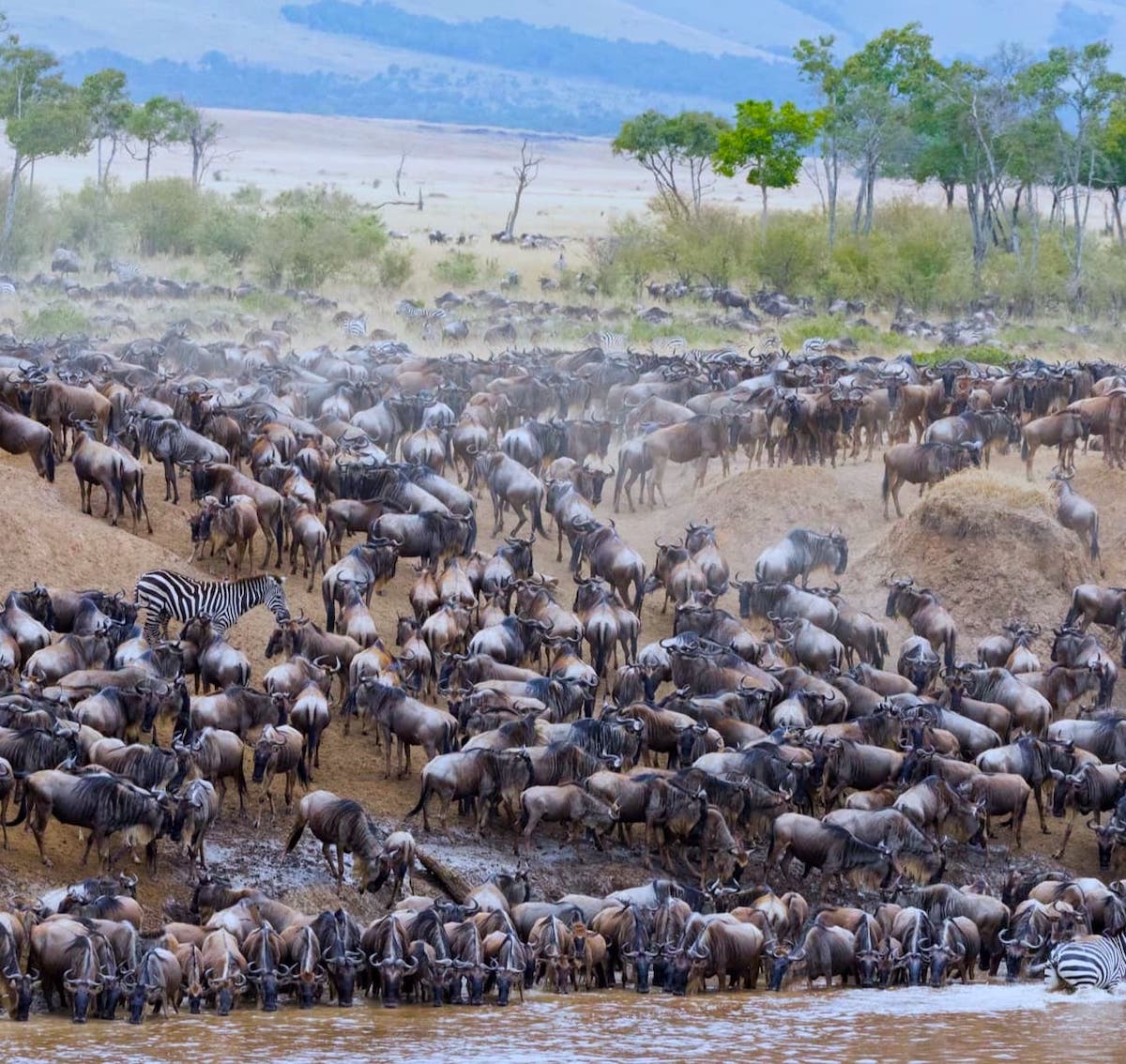
From the wildlife-rich plains of the Serengeti to Mount Kilimanjaro and Zanzibar’s coastline, our locally based team helps you connect Tanzania’s best destinations into one well-planned journey.
Our team understands the routes, seasons, distances and experiences that make each destination special.
Combine wildlife, mountain adventures, cultural experiences and island relaxation at your own pace.
Your journey supports Tanzanian guides, accommodation partners and meaningful community initiatives.
Receive clear guidance before arrival and reliable local assistance throughout your Tanzania holiday.
Tanzania brings together legendary wildlife, Africa’s highest mountain, welcoming cultures and a beautiful tropical coastline. Each journey can be enjoyed separately or combined into one seamless Go Vision adventure.
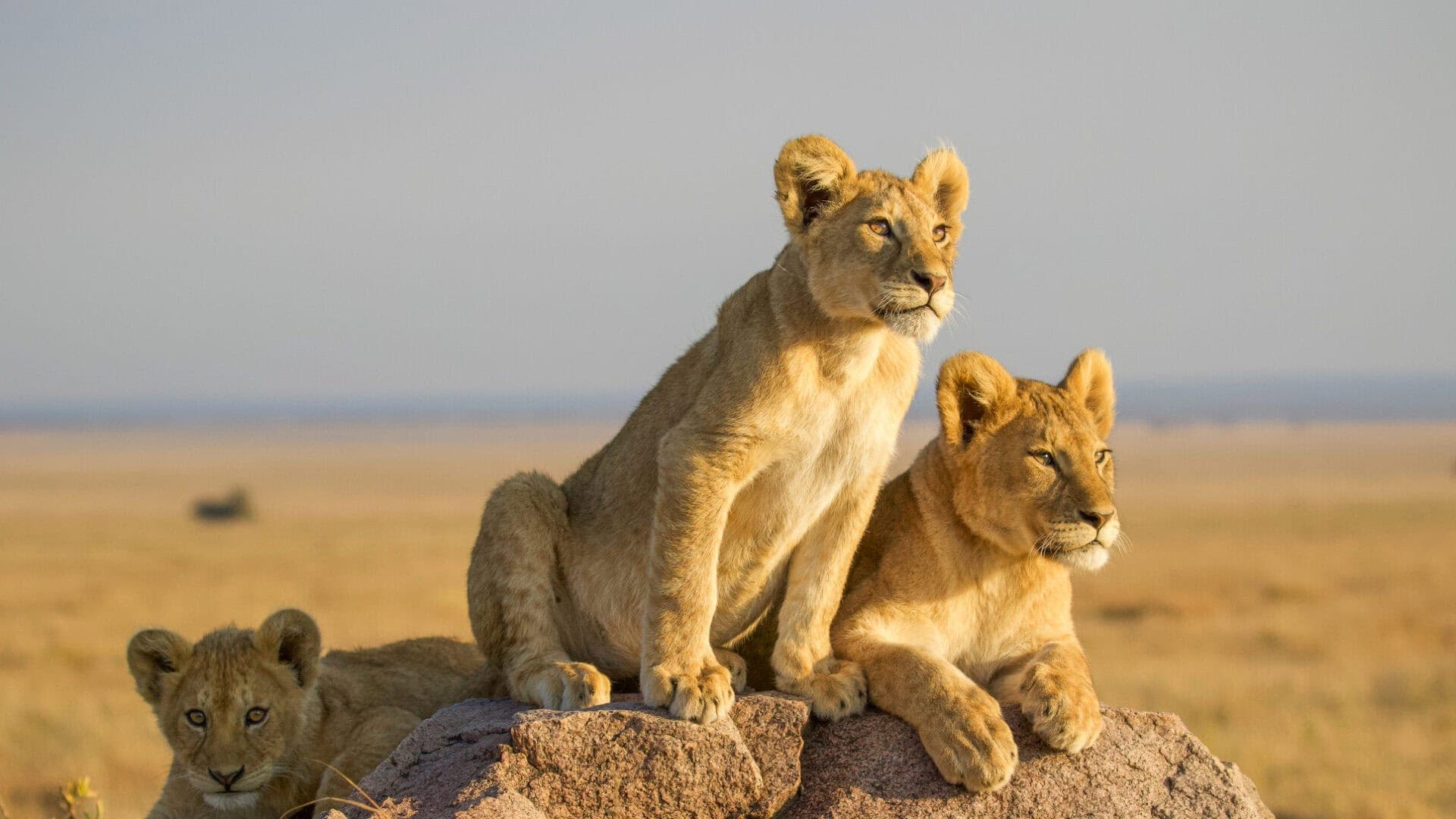
Follow elephants beneath ancient baobabs, search for big cats across open plains and experience Tanzania’s celebrated national parks.
Explore Safari DestinationsWalk through changing landscapes and take on an unforgettable journey toward the summit of Africa’s highest mountain.
Discover KilimanjaroMeet local communities, learn about Tanzanian traditions and add meaningful cultural or give-back experiences to your holiday.
Experience Local TanzaniaSlow down beside the Indian Ocean with Zanzibar’s white-sand beaches, historic Stone Town and warm tropical waters.
Explore the CoastEvery traveller imagines Tanzania differently. Choose the experience that inspires you most and discover the destinations that fit your interests, pace and available time.
Combine Tarangire, Serengeti and Ngorongoro for Tanzania’s most celebrated wildlife journey.
Follow vast wildebeest herds through the Serengeti during one of nature’s most extraordinary events.
Experience Tarangire’s elephant herds, seasonal river and landscapes filled with ancient baobab trees.
Challenge yourself on Africa’s highest mountain before continuing to a safari or beach retreat.
Rest beside warm turquoise waters and combine white-sand beaches with the history of Stone Town.
Discover Ruaha and Nyerere for spacious wilderness, fewer vehicles and a slower safari atmosphere.
Tanzania’s destinations can be connected through four distinctive travel regions. Explore the classic northern safari circuit, remote southern wilderness, Mount Kilimanjaro and the Indian Ocean islands.
Tanzania’s classic safari circuit combines remarkable wildlife, varied scenery and convenient road connections from Arusha.
Climb Africa’s highest mountain or explore the waterfalls, coffee farms and Chagga culture around Moshi and the mountain foothills.
Enjoy spacious landscapes, fewer safari vehicles and a slower wilderness experience in some of Tanzania’s largest protected areas.
Complete your Tanzania adventure with Stone Town, tropical beaches, Indian Ocean activities and time to relax after safari.
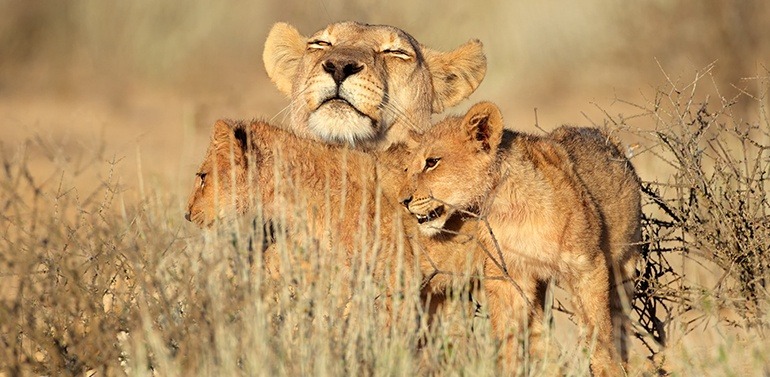
Begin near Arusha and travel through elephant country, volcanic highlands and the endless Serengeti plains. The northern circuit brings Tanzania’s most celebrated landscapes together in one naturally flowing journey.
Arrive, rest and prepare for safari beneath Mount Meru. Arusha is the natural starting point for journeys into Tanzania’s northern parks.
Explore a distinctive landscape of ancient baobab trees, seasonal river habitats and memorable elephant encounters.
Descend into the crater for a concentrated wildlife experience surrounded by dramatic volcanic walls and highland scenery.
Spend several days following wildlife across vast plains where every season brings a different rhythm, landscape and safari story.
Vast grasslands, powerful predator encounters and the movement of immense wildebeest herds make the Serengeti one of Tanzania’s most unforgettable safari destinations.
The Serengeti is known for its open plains, resident wildlife and the Great Migration. Lions, cheetahs, leopards, elephants, giraffes and large herbivore herds can be encountered across its different regions.
A longer stay allows you to travel beyond a single game drive area and experience the quieter rhythm of the park during the early morning and late afternoon.
Follow wildebeest and zebra herds as they move between seasonal grazing areas and water sources.
Search the plains and rocky kopjes for lions, cheetahs and leopards in their natural habitat.
Experience open grasslands, acacia woodland, river valleys and dramatic kopje formations.
Spend full days exploring with a private guide and enough time to pause at meaningful sightings.
The migration does not remain in one permanent location. Its position changes with rainfall, grazing and river conditions, so exact sightings can never be guaranteed.
Green landscapes, large herds and the wider calving season around the southern plains.
Best for: Young animals and predator activityHerds gradually move through central and western parts of the ecosystem as seasonal conditions change.
Best for: Green scenery and longer game drivesThe herds may gather around the north, where river crossings can occur when conditions are suitable.
Best for: Migration and river-crossing possibilitiesShort rains encourage fresh grazing as herds begin moving through the eastern and central areas.
Best for: Fewer crowds and changing landscapesDescend from the forested crater rim into a remarkable natural amphitheatre where grasslands, wetlands and wildlife exist within the walls of an ancient volcano.
The Ngorongoro Crater offers one of northern Tanzania’s most distinctive safari experiences. From the rim, the road descends through montane forest before reaching open grasslands, freshwater pools and seasonal wetlands.
Wildlife is often encountered within a relatively compact area, making Ngorongoro a valuable addition to both short safaris and longer Serengeti journeys.
Descend into the volcanic caldera for a full-day game drive across grassland, woodland and wetland habitats.
Look for lions, elephants, buffaloes, hippos, hyenas, zebras, wildebeest and the endangered black rhinoceros.
Experience cool forested slopes, crater viewpoints and rolling landscapes between Karatu and Serengeti.
The wider conservation area is also home to Maasai communities whose livestock and traditions remain part of the landscape.
Most visitors combine the crater with Tarangire, Lake Manyara or Serengeti rather than visiting Ngorongoro as a completely separate journey.
Travel through Karatu and the green highlands before reaching the conservation area and crater rim.
Begin early when the air is cooler and the crater floor is active with wildlife and changing morning light.
Explore several habitats with your guide while looking for predators, herbivores, birds and rare species.
Continue toward Serengeti or return through Karatu for Tarangire, Lake Manyara or cultural activities.
Stay close to the descent road and enjoy access to dramatic highland and crater viewpoints.
Stay among farms and green hills with convenient road connections to Ngorongoro, Manyara and Tarangire.
Discover a distinctive northern Tanzania landscape where elephant families move beneath ancient baobab trees and wildlife gathers around the life-giving Tarangire River.
Tarangire offers a different atmosphere from the open Serengeti plains. Its landscape includes river valleys, woodland, seasonal wetlands, open savannah and some of northern Tanzania’s most impressive baobab trees.
The park is especially rewarding for travellers who enjoy observing elephant behaviour, birdlife and wildlife encounters in a setting that often feels quieter and more intimate.
Watch elephants feeding, travelling, socialising and gathering near water during unhurried game drives.
Photograph monumental baobab trees rising above grassland and woodland throughout the park.
Explore the river corridor where wildlife often gathers as surrounding areas become progressively drier.
Look for colourful savannah birds, raptors, hornbills, waterbirds and species associated with woodland habitats.
Tarangire changes noticeably between the drier months and the green season. Each period offers a different atmosphere, landscape and style of wildlife viewing.
Wildlife becomes increasingly concentrated around the river, water sources and remaining green areas.
The park becomes greener and more colourful, with dramatic skies, fresh vegetation and active birdlife.
A suitable option for shorter itineraries combining Tarangire with Ngorongoro and Serengeti.
Provides more time to explore different habitats without making the safari feel hurried.
Add forest, lakes, birdlife and active safari experiences to your northern Tanzania journey. Both parks work well as shorter visits before or between the larger safari destinations.
A compact and scenic park positioned beneath the dramatic Great Rift Valley escarpment.
The journey begins through lush groundwater forest before opening toward floodplains, acacia woodland, wetlands and the alkaline lakeshore.
A green and varied park positioned close to Arusha, beneath the slopes of Mount Meru.
Forest, crater scenery, grassland and the Momella Lakes create a rewarding setting for wildlife viewing and more active safari experiences.
Both parks can be added without making a longer northern itinerary feel crowded. The better choice depends on your interests and route.
Select Manyara when travelling between Tarangire, Karatu and Ngorongoro, or when you want lake scenery and bird-rich habitats.
Select Arusha when you have an additional day before or after safari, or when you prefer walking, canoeing and Mount Meru scenery.
Include both on a longer journey when you want a broad view of northern Tanzania’s forests, lakes, mountains, wildlife and Rift Valley scenery.
Walk from tropical forest toward the high alpine world of Africa’s tallest mountain. Kilimanjaro is a demanding but deeply rewarding journey that can be combined with safari, cultural experiences or Zanzibar.
Kilimanjaro does not require technical rock climbing on the standard trekking routes, but reaching the summit still demands preparation, determination and respect for high altitude.
A carefully paced itinerary allows more time for acclimatization while giving climbers the opportunity to appreciate the changing vegetation, scenery and atmosphere of the mountain.
Move through cultivated foothills, rainforest, heath, moorland, alpine desert and the high summit zone.
A slower itinerary gives your body more time to adjust as the route gradually reaches higher elevations.
The climb is a physical and mental challenge shaped by teamwork, steady progress and determination.
Guides, cooks and porters provide essential expertise, meals, camp support and encouragement.
The right route depends on your available time, preferred scenery, trekking experience, group style and desired pace.
A scenic western approach with a gradual beginning and time to experience several sides of the mountain.
A popular and varied route with changing scenery, steeper sections and a strong sense of progression.
The mountain’s hut-based route, following the same general corridor for much of the ascent and descent.
A northern approach that offers a quieter atmosphere and a different perspective of the mountain.
Conditions become colder, drier and more exposed as the climb gains elevation. Every stage requires steady pacing, hydration and guidance from the mountain team.
Begin among cultivated land and humid forest filled with dense vegetation and changing mountain weather.
Vegetation becomes lower and views expand across ridges, valleys and distant Tanzanian landscapes.
Enter a sparse, rocky environment with strong sun, cold evenings and increasingly thin air.
Complete the final demanding ascent toward the crater rim and Uhuru Peak at 5,895 metres.
Build walking endurance, leg strength and comfort with consecutive days of activity before travelling.
Bring tested hiking boots, warm layers, waterproof protection and suitable high-altitude clothing.
Walk slowly, communicate honestly with your guide and avoid treating the climb as a race.
Discuss your fitness and health with an appropriate medical professional before undertaking the climb.
Explore spacious parks, wild river systems and remote landscapes where safari vehicles are often fewer and the journey feels slower, more intimate and deeply connected to the wilderness.
Southern Tanzania is well suited to returning safari travellers, photographers and anyone who prefers quieter parks and longer periods immersed in nature.
Game drives can be combined with boat safaris, guided walking and mountain hiking, creating a broader range of experiences than a traditional vehicle-only safari.
Enjoy wildlife encounters with a greater sense of space and fewer vehicles at many sightings.
Explore river channels and lakes while watching hippos, crocodiles, birds and animals near water.
Learn to notice tracks, plants and smaller details with qualified guides in selected areas.
Search for lions, elephants, buffaloes, giraffes, antelopes and African wild dogs.
Choose one destination for a focused safari or connect several parks for a broader southern Tanzania journey.
Explore a vast landscape shaped by the Rufiji River, lakes, channels, woodland and open plains.
Discover rugged hills, baobab landscapes and the Great Ruaha River in one of Tanzania’s most atmospheric parks.
A convenient wildlife destination with broad plains, mountain backdrops and good opportunities for shorter safaris.
Leave the safari vehicle behind and walk through tropical forest toward waterfalls and mountain viewpoints.
Combine traditional game drives with forest hiking and waterfalls on a manageable road-based journey.
Combine boat safaris and river landscapes with the rugged wildlife country of Ruaha.
Follow river safari experiences with rest, culture and warm Indian Ocean beaches.
Activities depend on the park, season, lodge and local regulations. We will match each experience to your route.
Cover larger areas while searching for wildlife with an experienced private safari guide.
Observe riverside wildlife, hippos, crocodiles and waterbirds from a different perspective.
Slow down and learn about tracks, plants, insects and the smaller details of the ecosystem.
Explore forest trails and waterfall routes in the Udzungwa Mountains.
Complete your Tanzania journey beside the Indian Ocean. Choose historic Zanzibar, peaceful Pemba or marine-rich Mafia Island according to the atmosphere and activities that suit you best.
An island extension creates a natural change of pace after early game drives and overland travel. Days can become slower, with time for swimming, coastal walks, local food and uninterrupted rest.
Tanzania’s islands are not identical. Zanzibar offers the greatest variety, Pemba has a quieter and greener atmosphere, while Mafia Island is especially suited to travellers interested in marine environments.
Relax beside white sand, palm trees and clear tropical water after the energy of safari.
Discover Swahili traditions, historic streets, markets, local cuisine and island communities.
Explore mangroves, coral coastlines, forest, spice-growing areas and marine habitats.
Add snorkelling, diving, sailing, kayaking or boat excursions according to the island.
Each island has a distinct character. The best choice depends on whether you prioritise variety, seclusion or marine exploration.
Zanzibar offers the broadest combination of historic culture, beach resorts, local villages, spice experiences and ocean activities.
Pemba offers a quieter island atmosphere, lush scenery and a stronger feeling of distance from the busiest tourism areas.
Mafia Island is particularly attractive to travellers who want their coastal stay to focus on marine life, boating and quieter natural surroundings.
Choose Stone Town for history, architecture, markets, restaurants and an introduction to Zanzibar’s cultural story.
Choose the north for a lively beach atmosphere, easy swimming in many locations and access to restaurants and coastal activities.
Choose the east for long beaches, tidal landscapes, relaxed properties and a calm coastal atmosphere.
Choose the south for a quieter setting, smaller coastal communities and nature-based boat excursions.
The most comfortable itineraries allow enough time for the safari to feel complete before transitioning to the coast.
Combine Tarangire, Ngorongoro and Serengeti with Stone Town and several nights beside the ocean.
Climb Kilimanjaro, recover during a northern safari and finish with a relaxing island stay.
Combine boat safaris and southern wilderness with Zanzibar, Pemba or Mafia Island.
Meet local people, learn about everyday life and support community-led experiences that bring greater meaning to your Tanzania journey.
Tanzania is more than its mountains, wildlife and beaches. Cultural experiences can introduce you to local food, farming, music, language, craftsmanship and community life.
These visits should be organised with dignity and mutual respect. The strongest experiences are led by local people, create genuine conversation and provide direct value to the participating community.
Experiences are stronger when community members guide the visit and share their own knowledge.
Photography, conversation and participation should always happen with permission and sensitivity.
Activities should create local income, support skills and strengthen community-led initiatives.
A meaningful encounter should encourage listening, questions and exchange rather than observation alone.
Experiences vary according to location, hosts, season and itinerary. Each visit should be arranged in collaboration with the participating community.
Explore village life around Kilimanjaro and learn about farming, food, local history and traditions connected to the mountain.
Meet community hosts and learn about pastoral life, family traditions, livestock and the relationship between people and the surrounding landscape.
Prepare and share a meal while learning about local ingredients, cooking methods and the role of food in family and community life.
Visit local makers, women’s groups or small enterprises and learn how practical skills support household income and independence.
Give-back activities should respond to locally identified needs rather than short-term visitor expectations. The project, materials and intended outcome should be agreed with local partners before the visit.
Support practical work such as painting, repairs, playground improvement or small community structures when requested by local partners.
Participate in locally organised planting, clean-up, conservation education or other environmental work.
Contribute materials or participate in approved educational activities under the direction of teachers and local project leaders.
Support locally managed training, enterprise and empowerment programmes through visits, purchases or agreed project contributions.
Always request permission before photographing people, homes, ceremonies or working environments.
Allow hosts to describe their own lives, priorities and traditions rather than relying on stereotypes.
Avoid unplanned individual gifts. Contributions are more effective when coordinated with local leaders.
Community members have work, family responsibilities and private lives beyond the visitor experience.
Add village, coffee, food and waterfall experiences before or after a Kilimanjaro climb.
Combine Tarangire, Ngorongoro or Serengeti with a community-hosted visit near Arusha, Moshi or the highlands.
Balance wildlife, culture and a pre-arranged community project within a longer Tanzania itinerary.
Tanzania can be explored throughout the year. The best travel month depends on whether you prioritise classic wildlife viewing, migration activity, green landscapes, Kilimanjaro, birdlife or an Indian Ocean beach stay.
The dry season is popular for traditional wildlife viewing, while the greener months bring fresh landscapes, dramatic skies, seasonal birdlife and fewer visitors in some areas.
Migration movements, rain patterns and wildlife sightings cannot be guaranteed. A carefully selected route is often more important than simply choosing a popular month.
Drier conditions, thinner vegetation and wildlife gathering near remaining water sources.
Green scenery, seasonal rain, young animals, colourful skies and strong photographic conditions.
Wetter conditions, lush landscapes and quieter travel, with some roads and activities affected.
Shorter showers can refresh the landscape while still allowing rewarding safari days.
These are general seasonal patterns. Rainfall, temperatures and wildlife movements can vary between regions and years.
Green northern landscapes and migration herds often moving through the southern Serengeti ecosystem.
A significant period for young wildebeest and predator activity across the southern Serengeti plains.
Warm conditions, green scenery and seasonal showers that can increase toward the end of the month.
The long rains commonly bring lush scenery, dramatic skies and quieter parks.
Green landscapes continue while rainfall can still affect some remote routes, camps and activities.
The landscape begins drying, temperatures become cooler and traditional safari conditions strengthen.
Dry weather, strong wildlife viewing and migration activity increasingly focused toward the north.
One of the most popular safari months, with dry conditions and strong northern-circuit wildlife viewing.
Dry landscapes, dependable safari conditions and good opportunities across northern and southern parks.
Warm, dry conditions often continue as wildlife remains connected to permanent water sources.
Short rains begin refreshing the landscape while migration herds may start turning southward.
Green landscapes return, with warm conditions and festive-season demand around popular destinations.
June through October generally offers drier roads, clearer wildlife viewing and animals gathering near water.
The best region changes throughout the year. The route should follow expected herd locations rather than one park area.
Drier periods are commonly preferred, although mountain weather remains changeable in every month.
Warm coastal travel is possible year-round, with drier periods often preferred for beach activities and excursions.
Tanzania’s climate varies between the coast, highlands, mountains and national parks. Migration crossings, clear mountain views and specific wildlife sightings are natural events and cannot be guaranteed.
The number of days you have will shape the pace, destinations and overall character of your Tanzania journey. More time allows fewer long drives, deeper wildlife experiences and smoother connections.
A short journey can introduce Tanzania’s northern parks, while a longer itinerary creates space for Serengeti, Ngorongoro, cultural experiences, Kilimanjaro or an Indian Ocean island stay.
The best itinerary is not always the one with the most destinations. A carefully paced route usually creates a better experience than trying to include every park in too few days.
Avoid filling every day with long road transfers and constant accommodation changes.
Multiple game drives in one destination often produce a better safari than brief visits to many parks.
Build the journey in a logical direction and use flights when they meaningfully reduce travel time.
Beach nights, slower mornings and arrival days make longer journeys feel balanced rather than exhausting.
These examples are flexible starting points. The final itinerary should consider your arrival airport, travel month, group type, budget and priority experiences.
A focused introduction to northern Tanzania with two or three well-connected wildlife areas.
A stronger northern-circuit journey with enough time for Serengeti and Ngorongoro without constant rushing.
More time for seasonal Serengeti regions, cultural experiences or a relaxed safari pace.
A balanced Tanzania holiday combining major wildlife destinations, local experiences and time beside the ocean.
Combine several travel styles without sacrificing rest, wildlife time or meaningful local experiences.
This sample route avoids unnecessary backtracking and gives each major part of the journey enough time to feel complete. It can be adjusted to suit your season and interests.
Arrive near Kilimanjaro or Arusha, recover from your flight and enjoy a locally led cultural, coffee or community experience.
Begin the safari among elephants, baobab trees, river landscapes and varied northern wildlife.
Descend into the crater for concentrated wildlife viewing before continuing through the highlands.
Spend several days following wildlife across the Serengeti region best suited to your travel month.
Complete the safari and fly toward the Indian Ocean, reducing unnecessary overland travel.
Finish with Stone Town, coastal culture, ocean activities and several unhurried beach days.
Dedicate most days to northern or southern safari parks, with longer stays in fewer locations.
Balance wildlife viewing with four to seven nights on Zanzibar, Pemba or Mafia Island.
Allow recovery time between the mountain and several well-paced northern safari destinations.
Include several community days alongside wildlife, culture and optional coastal experiences.
Include arrival and departure days when counting the total length of your Tanzania holiday.
Safari, migration, Kilimanjaro, culture, beach or a balanced combination.
Active and varied, slow and relaxed, or somewhere between the two.
Couple, family, friends, student group, private journey or hosted group.
This helps determine accommodation style, route, domestic flights and activity choices.
International arrival and departure days should not normally be treated as full activity days. Flight times, road conditions, season and park location can also change what is comfortable within a given number of days.
From your first question to your final airport transfer, Go Vision Safaris helps you create a Tanzania journey shaped around your dates, interests, pace and preferred travel style.
Tanzania offers many possible routes, but the strongest itinerary is the one that fits your available days, travel month, interests and preferred pace.
Our role is to help you make clear decisions, avoid an unnecessarily rushed route and connect each destination naturally from arrival to departure.
Plan with people who understand the parks, routes, travel distances and local conditions.
Your itinerary is adjusted to your dates, interests, group type and preferred level of activity.
Ask questions directly and refine the journey before confirming the final itinerary.
Combine wildlife, culture and community experiences with respect for local people and environments.
Thoughtful hosting, reliable drivers, flexible support and memorable wildlife experiences are recurring priorities throughout a Go Vision journey.
“This trip exceeded all my expectations. The daily excursions, our host and our drivers were exceptional. The safari days were especially inspiring.”
Friendly support and clear communication help guests feel comfortable throughout the journey.
A knowledgeable safari driver-guide helps turn every game drive into a richer wildlife experience.
Time in Tanzania’s parks creates unforgettable moments close to wildlife in natural surroundings.
A thoughtful mix of activities, travel and rest keeps the itinerary engaging without feeling rushed.
Tell us your dates, available days, group size and the experiences that matter most.
We create a route with suggested destinations, activities and a comfortable overall pace.
Adjust the route, duration and travel style until the itinerary reflects your priorities.
Finalise the itinerary and receive the practical information needed to prepare for Tanzania.
Open each question for a clear introduction. Final details will depend on your route, dates and travel arrangements.
Four to five days can provide a short northern safari. Six to ten days creates a more complete wildlife journey, while eleven to fifteen days allows a comfortable safari and Zanzibar combination.
Tanzania can be visited throughout the year. June through October is popular for drier safari conditions, while the greener months offer fresh landscapes, seasonal birdlife and strong photography.
Yes. A complete mountain, safari and island journey normally works best with approximately seventeen days or more, including recovery and connection time.
Journeys can be designed for couples, families, friends, student groups and other private groups. The final structure depends on the selected trip.
Vegetarian, vegan and other dietary requirements can often be arranged when communicated clearly during the planning stage.
Send your approximate dates, number of travellers, available days and preferred experiences through WhatsApp. Go Vision can then recommend a suitable route and journey length.
Begin with your travel month, number of travellers and available days. We will help you choose the right parks, experiences and route.
Tanzania safaris, Kilimanjaro journeys, cultural experiences and Indian Ocean escapes—planned locally by Go Vision Safaris.