01
Total Journey
9 Days
Arrival, seven trekking days on Kilimanjaro and your final departure or onward Tanzania journey.
Approach Mount Kilimanjaro from its spectacular western side and trek across the wide-open Shira Plateau, beneath dramatic volcanic formations, over the Barranco Wall and toward the summit of Uhuru Peak at 5,895 metres.
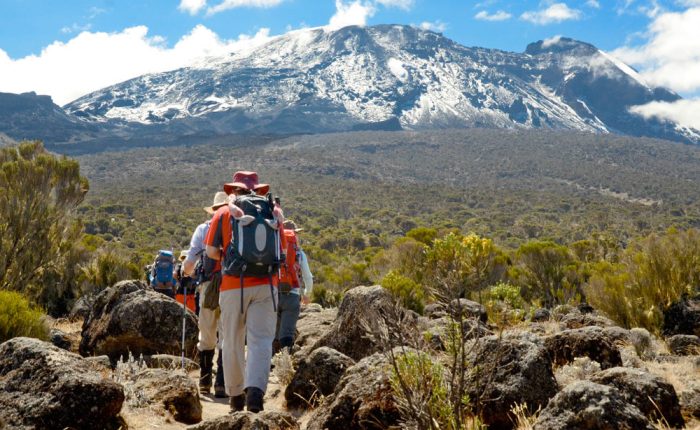
The Lemosho Route approaches Mount Kilimanjaro from the west, opening into the broad landscapes of the Shira Plateau before joining the southern circuit toward Barranco, Karanga and Barafu Camp. This GoVision itinerary combines a 7-day mountain trek with arrival and departure days for a complete 9-day Kilimanjaro journey.
Arrival, seven trekking days on Kilimanjaro and your final departure or onward Tanzania journey.
A progressive climb through several ecological zones toward the summit of Africa's highest mountain.
Uhuru Peak, the highest point on Mount Kilimanjaro and the African continent.
Begin on Kilimanjaro's western side before traversing the dramatic Shira Plateau.
Forest, volcanic plateau, alpine desert, dramatic ridges and high mountain terrain in one journey.
Overnight in designated Kilimanjaro camps supported by your professional mountain crew.
Lemosho is especially rewarding for climbers who want to experience Kilimanjaro as a complete mountain journey rather than simply race toward the summit.
Along the way, you pass through changing landscapes and important acclimatization stages including the Shira Plateau, Lava Tower, Barranco Wall, Karanga Valley and Barafu Camp before the final ascent.
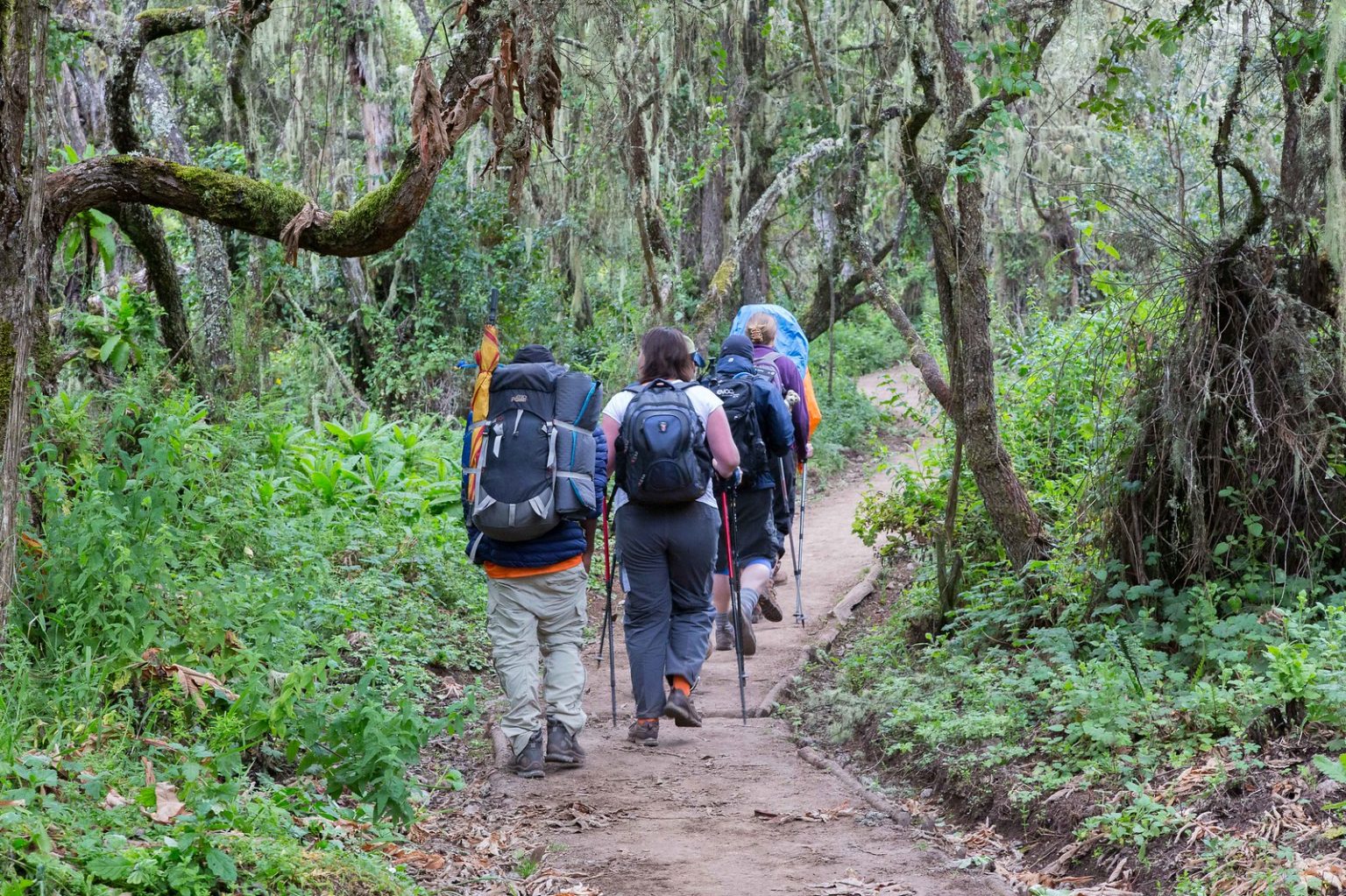
The mountain is not only about reaching the summit. The journey there is part of the experience.
The Lemosho Route is an excellent choice for trekkers who want to experience the changing character of Mount Kilimanjaro rather than simply follow the shortest possible path toward the summit.
GoVision's itinerary approaches Kilimanjaro from the west before traversing the expansive Shira Plateau and continuing through the dramatic southern circuit toward Barranco, Karanga and Barafu.
Experience open plateau landscapes, volcanic formations, high-altitude valleys and dramatic views across Kilimanjaro.
The itinerary is designed around a progressive journey through changing elevations rather than rushing directly toward high camp.
Stages such as Lava Tower allow trekkers to experience higher elevation before descending to sleep lower on the mountain.
Each stage reveals a different side of Kilimanjaro, from the western approach to Shira, Barranco and the high alpine zone.
One of Kilimanjaro's most memorable stages, offering an exciting hands-on ascent and impressive mountain views.
Your trek is supported by a dedicated local mountain team focused on pacing, organisation, camp life and your overall experience.
Speak with GoVision about your experience, fitness, preferred travel dates and the type of Kilimanjaro journey you are looking for.
The Lemosho Route unfolds gradually across Mount Kilimanjaro, moving from the mountain's western side onto the vast Shira Plateau before joining the southern circuit through Lava Tower, Barranco, Karanga and Barafu.
Each stage brings a new landscape, a new altitude and another step toward the highest point in Africa: Uhuru Peak at 5,895 metres.
Your Lemosho adventure begins on the quieter western side of Mount Kilimanjaro, where the mountain journey starts to unfold.
Trek across one of Kilimanjaro's most impressive high-altitude landscapes, with wide views and the mountain rising above you.
Climb higher toward Lava Tower before descending again, giving your body valuable exposure to greater altitude.
One of Kilimanjaro's most memorable sections, the Barranco Wall offers an exciting ascent and spectacular mountain perspectives.
Continue through dramatic high-mountain scenery as the route moves closer to the final summit staging point.
Arrive at high camp, rest, eat and prepare your equipment before the final summit attempt begins during the night.
Reach the highest point on Mount Kilimanjaro and stand at the summit of Africa after an extraordinary mountain journey.
Descend through the mountain's changing vegetation zones toward Mweka Gate, where your Kilimanjaro trek comes to an end.
Follow GoVision's Lemosho journey from the western side of Mount Kilimanjaro across the Shira Plateau, through the southern circuit and toward Uhuru Peak at 5,895 metres, before descending via Mweka.
The Lemosho journey starts on Kilimanjaro's western side before opening onto the Shira Plateau.
Lava Tower, Barranco and Karanga provide some of the route's most memorable landscapes.
After the summit ascent, the journey turns downward toward Mweka and the lower slopes of Kilimanjaro.
Your Kilimanjaro journey begins with a warm GoVision welcome. After arriving in northern Tanzania, you will be transferred to your accommodation in the Moshi area, where you can settle in, recover from your journey and begin preparing for the mountain.
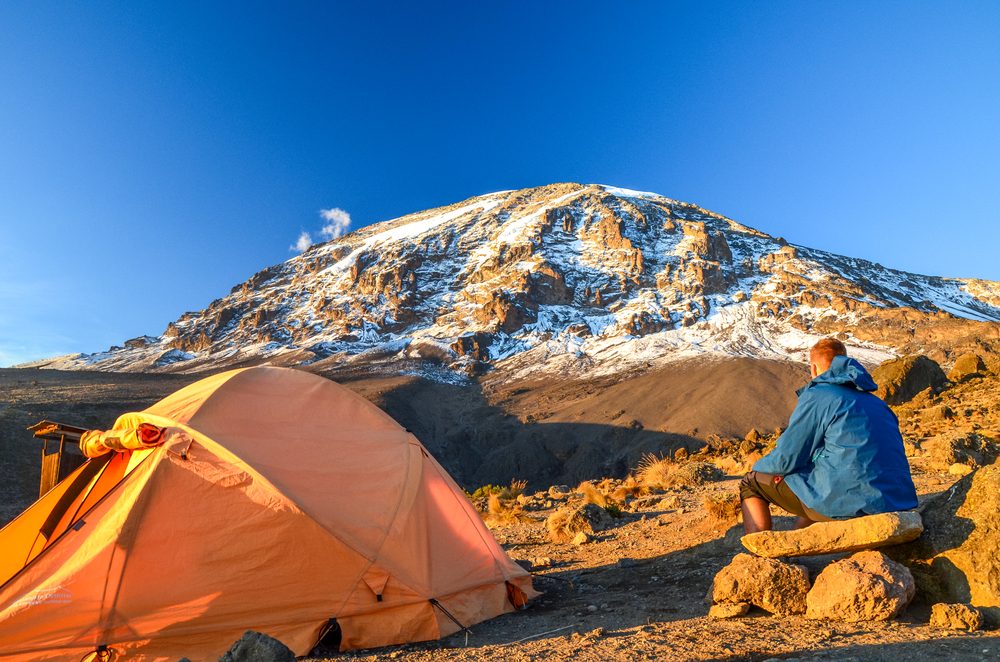
Once you have had time to settle in, you will meet your GoVision mountain guide for a detailed pre-climb briefing. This is an important opportunity to understand the days ahead and make sure you feel prepared before heading onto Mount Kilimanjaro.
Your guide will discuss the Lemosho Route, daily trekking rhythm, altitude awareness, mountain conditions, hydration, clothing and the equipment you will need during the climb.
Meet the GoVision team on arrival and begin your transfer toward the Kilimanjaro region.
Check in, refresh and give your body time to recover before the trekking adventure begins.
Review the route, mountain routine, safety procedures and what to expect during the climb.
Review your essential clothing and trekking equipment so you can begin the route properly prepared.
Day 1 is intentionally relaxed. Use the time to organise your equipment, drink plenty of water, eat well and get a good night's sleep before your Lemosho Route adventure begins.
Today you leave Moshi behind and travel toward the western side of Mount Kilimanjaro, where your seven-day Lemosho trek officially begins.
As the road climbs higher through the Kilimanjaro landscape, anticipation builds for your first steps on the mountain and your introduction to the remarkable Shira Plateau.
After breakfast, your GoVision mountain team takes you toward Kilimanjaro's western approach. The journey passes through changing vegetation and higher terrain before reaching the trekking drop-off at approximately 3,500 metres.
From here, you begin walking toward Shira 1 Camp. The first trekking section is relatively gentle, allowing you to concentrate on your breathing, walking rhythm and adjustment to the higher elevation.
As the landscape opens, the broad Shira Plateau begins to reveal itself — a striking high-altitude environment that gives Lemosho much of its scenic character.
Your first day on the mountain is not about speed. Follow your guide's pace, drink regularly and allow your body time to respond to the altitude.
Meet your GoVision mountain crew and travel toward western Kilimanjaro.
Ascend through changing landscapes toward the high-altitude trekking drop-off.
Take your first measured steps on the Lemosho Route at approximately 3,500 metres.
Experience the openness and high-mountain scenery of the western plateau.
Settle into your first Kilimanjaro camp and rest for the next stage of the climb.
As evening settles over the plateau, enjoy your first night surrounded by Kilimanjaro's extraordinary high-altitude landscape. Dinner, rest and hydration become part of the mountain rhythm that will carry you toward Uhuru Peak.
Wake to the open landscapes of the Shira Plateau and continue gradually higher toward Shira 2 Camp. Today's walk gives you time to settle further into the rhythm of Kilimanjaro while your body continues adapting to the increasing altitude.
Leaving Shira 1, the trail continues across broad high-altitude terrain toward Shira 2. With fewer dramatic climbs today, you can concentrate on steady pacing, hydration and taking in the immense landscapes surrounding Kilimanjaro.
As you move higher, vegetation becomes increasingly sparse and the scale of the plateau becomes more apparent. On clear days, distant mountain views can add another memorable dimension to this stage.
Begin the day surrounded by the open landscape of one of Kilimanjaro's most distinctive high-altitude areas.
Continue steadily upward across the plateau while maintaining the measured pace encouraged by your mountain guide.
Enjoy expansive terrain and, when conditions are clear, impressive views toward the surrounding mountains.
After reaching camp, your guide may lead an additional acclimatization walk before you return to rest lower.
Depending on conditions and your guide's assessment, the afternoon can include an additional acclimatization walk above Shira 2. The purpose is not speed or distance — it is to give your body further exposure to higher elevation before returning to camp.
Walk slowly
02Drink regularly
03Tell your guide how you feel
By evening you are noticeably higher on the mountain. Settle into camp, enjoy a warm meal, stay hydrated and prepare for one of the most important acclimatization stages of the Lemosho journey: the trek toward Lava Tower and Barranco.
Today is one of the defining acclimatization stages of your Kilimanjaro Lemosho Route. You climb steadily from Shira toward Lava Tower, reaching approximately 4,600 metres before descending to Barranco Camp.
The change in altitude and terrain makes this a challenging but valuable mountain day, introducing you to increasingly stark volcanic scenery while giving your body important exposure to greater elevation.
Leaving Shira 2, the trail rises into more exposed alpine terrain as you move toward the distinctive volcanic formation of Lava Tower.
Reaching this higher point allows your body to experience thinner air before you descend again toward Barranco. The overnight camp sits lower than Lava Tower, following the proven mountain principle of climbing high and sleeping lower.
Maintain a slow pace, keep drinking regularly and communicate openly with your GoVision guide throughout the day.
Begin climbing gradually away from camp into increasingly open and exposed mountain terrain.
Vegetation thins as the landscape becomes more volcanic, rugged and distinctly high-altitude.
Reach approximately 4,600 metres and spend time at altitude before beginning the descent.
Walk downward into the striking Barranco Valley as the landscape changes once again.
Settle beneath the dramatic Barranco Wall and rest after one of the route's most important acclimatization days.
Barranco Camp is one of the most memorable settings on the mountain. The dramatic wall rises above camp, giving you your first close look at tomorrow's famous challenge.
Lava Tower is significantly higher than your previous camps. Your guide will encourage a measured pace and regular hydration. Always communicate any headache, unusual fatigue, nausea, dizziness or other changes in how you feel.
Wake beneath one of Mount Kilimanjaro's most recognizable landmarks and prepare for an exciting morning ascent of the Barranco Wall.
After reaching the top, your journey continues through a beautiful sequence of ridges, valleys, ascents and descents toward Karanga Camp at approximately 4,040 metres.
After breakfast, you leave Barranco Camp and approach the wall that has been towering above you since the previous evening. Your GoVision guide leads the team steadily upward, choosing the appropriate line and keeping everyone moving at a controlled pace.
Reaching the top brings a powerful sense of progress. In clear conditions, the high viewpoint can reveal impressive perspectives toward Kibo and distant Mount Meru.
The day is not finished at the top of the wall. From here, the trail continues across undulating terrain toward Karanga, repeatedly rising and descending through Kilimanjaro's dramatic southern landscape.
Listen closely to your guide, maintain space between climbers and focus on steady movement rather than speed.
Breakfast beneath the wall before preparing your daypack and beginning the day's trek.
Follow your guide upward through one of Kilimanjaro's most distinctive and memorable route sections.
Pause to take in the mountain scenery before continuing deeper into the southern circuit.
Continue through rolling high-altitude terrain with repeated ascents and descents.
Reach camp, refuel and rest as the summit stages of the expedition draw closer.
Today's route gains relatively little net sleeping altitude, but the trail itself includes numerous rises and descents. This is why steady pacing remains important even though Karanga Camp sits only slightly higher than Barranco.
Arriving at Karanga marks another important step toward the summit. Enjoy lunch, rest and allow your body to recover after the varied terrain of the day.
Your guide may take you higher in the direction of Barafu before returning to Karanga to rest.
From Karanga, the next stage takes you toward Barafu Camp — your final major camp before the overnight ascent toward Uhuru Peak.
Today you leave Karanga and continue upward through increasingly stark alpine terrain toward Barafu Camp, your final major staging point before the overnight ascent to Uhuru Peak.
The walking day is deliberately controlled. Once you reach camp, the priority changes from covering distance to resting, eating, hydrating and preparing carefully for the summit attempt ahead.
The terrain becomes increasingly barren as you leave Karanga and move higher toward Barafu. Vegetation is now minimal, and the surroundings feel distinctly alpine.
Your GoVision guide maintains a deliberate pace as the team reaches Barafu Camp at approximately 4,645 metres.
Once at camp, your priorities are simple: eat, hydrate, organise your summit clothing and rest. The final ascent normally begins during the night, so every hour of recovery matters.
Barafu is not a place to spend energy unnecessarily. Once camp is established, the objective is to recover and prepare calmly for the overnight climb.
Uhuru Peak
Change out of damp trekking layers, organise your tent and give your body time to recover.
Take in energy and fluids while conditions are calmer and before the overnight ascent begins.
Arrange layers, gloves, headlamp, water and essential items so everything is easy to reach in the dark.
Review timing, expected conditions, pacing and the plan for the final climb toward Uhuru Peak.
Even a few hours of quiet rest can be valuable before your summit climb begins later in the night.
Base and insulating layers
Warm outer jacket
Warm gloves
Warm hat / head protection
Headlamp + spare batteries
Water & energy snacks
The summit ascent is long and takes place at very high altitude. Follow the pace set by your guide and communicate immediately if you experience concerning symptoms or feel significantly different from earlier in the climb.
The next stage begins in darkness and carries you toward the highest point in Africa before the long descent to a lower camp.
This is the defining stage of your Kilimanjaro Lemosho Route adventure. Beginning during the night, you leave Barafu Camp and climb steadily toward the crater rim before continuing toward Uhuru Peak at 5,895 metres.
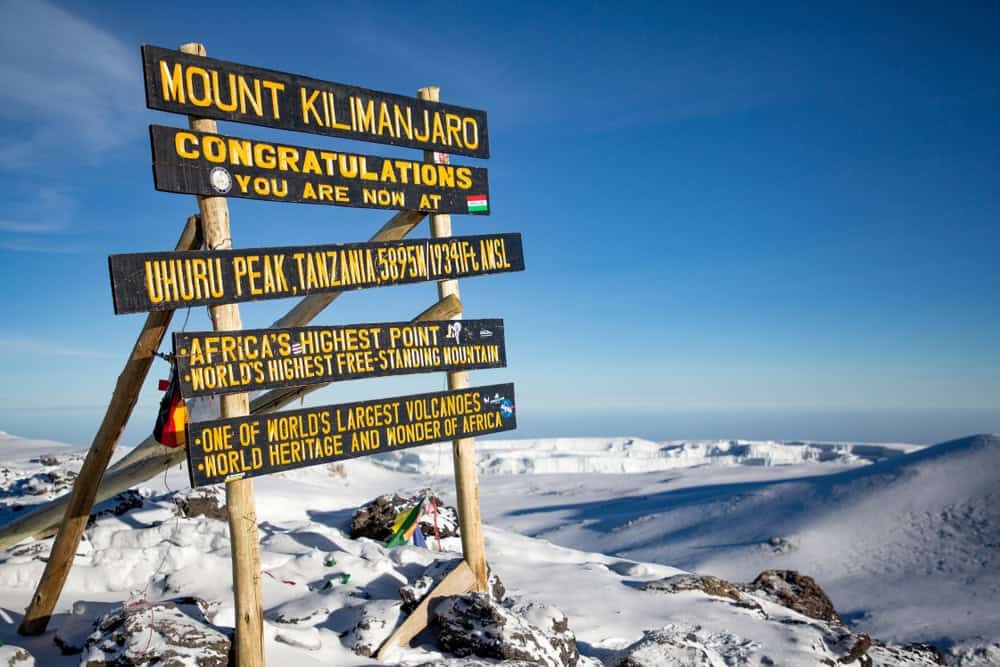
Roof of Africa
The moment days of preparation, acclimatization and determination lead toward.
Summit day begins while the mountain is still dark. Wearing your warmest layers and using a headlamp, you leave Barafu Camp with your GoVision mountain team and settle into a deliberately slow rhythm.
At this altitude, patience matters. Your guide manages the pace while you focus on breathing, steady movement and taking the mountain one section at a time.
After reaching the crater rim, the journey continues toward Uhuru Peak at 5,895 metres, the highest point on Mount Kilimanjaro.
Reaching Uhuru is not about racing to the top. It is the culmination of the entire Lemosho journey.
Summit day combines the highest point of the entire expedition with a substantial descent to a much lower sleeping altitude.
Barafu Camp
Uhuru Peak
Millennium Camp
Dress in your summit layers, switch on your headlamp and begin the final ascent with your mountain team.
Maintain the slow rhythm set by your guide while climbing through the cold upper mountain.
Reach the crater rim before continuing toward the final summit objective.
Stand at Kilimanjaro's highest point and celebrate an unforgettable achievement.
Leave the summit zone and begin the substantial descent back toward lower elevations.
Reach lower altitude, enjoy a well-earned meal and rest after the most demanding stage of the climb.
Take time for photographs and to appreciate what it took to reach this point before following your guide back down the mountain.
Uhuru Peak is the emotional high point, but summit day is not finished when the photographs are taken. You must still descend safely through the upper mountain and continue toward Millennium Camp.
Uhuru Peak
Millennium Camp
Conditions at high altitude can change quickly. Continue communicating honestly with your guide and follow all instructions regarding pacing, rest, turnaround decisions and descent.
Wake at a much lower altitude after your extraordinary summit journey and begin the final descent through Kilimanjaro's increasingly green lower slopes.
Today's trail carries you from Millennium Camp at approximately 3,820 metres down through the rainforest toward Mweka Gate at approximately 1,640 metres, where your seven-day Lemosho mountain trek comes to an end.
After breakfast at Millennium Camp, you begin descending through a landscape that feels completely different from the barren summit zone you experienced the day before.
As altitude decreases, vegetation becomes richer and the trail eventually enters Kilimanjaro's tropical rainforest.
Step by step, the mountain gives way to warmer air and thicker forest until you finally arrive at Mweka Gate — the official end of your Lemosho trek.
Take a moment to celebrate with the people who shared the mountain experience with you.
Begin the morning at lower altitude after the demanding effort of summit day.
Follow the trail downward as Kilimanjaro becomes increasingly green and humid.
Walk the final section of your Lemosho trek and reach the Kilimanjaro National Park exit.
Share the completion moment with your guides and mountain team after an unforgettable week together.
Leave the mountain behind and travel back to your accommodation for a well-earned shower, meal and rest.
Today's journey takes you dramatically lower, from Millennium Camp into Kilimanjaro's warm lower forest.
Millennium Camp
Mweka Gate
The summit may be the highest point of the journey, but arriving safely at the mountain gate is what completes your Kilimanjaro adventure.
From Mweka Gate, your GoVision transfer takes you back toward Moshi. After seven days on the mountain, a hot shower, comfortable clothes, a proper meal and a good night's sleep will feel especially rewarding.
Transfer from Mweka Gate
Return to Moshi
Shower & fresh clothes
Rest & recovery
Forest, Shira Plateau, Lava Tower, Barranco, Karanga, Barafu, Uhuru Peak and Mweka — an extraordinary journey across Mount Kilimanjaro.
Wake in Moshi after completing your Kilimanjaro Lemosho Route adventure and enjoy a relaxed final morning. Depending on your onward travel plans, GoVision can arrange your transfer for departure or help you continue exploring more of Tanzania.
Your Kilimanjaro climb may be complete, but Tanzania offers much more beyond the mountain — from the wildlife-rich northern safari circuit to the warm Indian Ocean beaches of Zanzibar.
Choose a comfortable departure from Tanzania or turn your Kilimanjaro climb into a longer African journey with a private GoVision safari, a Zanzibar beach escape, or a combination of both.
Enjoy your final morning before your scheduled transfer from Moshi toward Kilimanjaro International Airport for your onward flight.
Exchange mountain trails for game drives and continue into Tanzania's legendary northern safari circuit with a private GoVision safari experience.
Recover after Kilimanjaro beside the Indian Ocean with a relaxing Zanzibar extension designed around your preferred length of stay and travel style.
Tell us your international flight dates, available holiday time and interests. GoVision can arrange your Kilimanjaro climb as a standalone adventure or combine it with safari and beach travel in one coordinated itinerary.
Safari and Zanzibar extensions are optional and can be customized according to your travel dates, preferred duration and available budget. Final arrangements and pricing are confirmed separately by GoVision.
A Kilimanjaro climb involves much more than simply reaching the trailhead. Your GoVision journey is built around mountain logistics, professional guiding, camping support, meals and the essential services needed to operate your Lemosho Route expedition.
Mountain guiding and crew support throughout the Lemosho Route trek.
Mountain crew supporting camp movement and expedition logistics during the climb.
Applicable Kilimanjaro National Park climbing, camping and route-related fees included in your confirmed package.
Trekking tents and organised mountain camping throughout the seven-day Lemosho climb.
Meals prepared for the group during the scheduled mountain days.
Water supplied and managed as part of the mountain expedition routine.
Ground transportation connected with the scheduled Lemosho climb, including mountain access and return from Mweka Gate.
Pre-climb meeting with your mountain team to discuss the route, packing, altitude and final preparation.
Flights to and from Tanzania remain the traveller's responsibility unless specifically added to your booking.
Tanzania visa costs, passport requirements and other personal travel-document expenses.
Travellers should arrange suitable insurance for their trip, including appropriate trekking and altitude cover.
Boots, clothing, sleeping bag and other personal equipment unless specifically stated otherwise in your quotation.
Tips for the mountain team are normally separate from the published climb price.
Personal purchases, additional beverages, laundry and other expenses outside the confirmed package.
Any safari, Zanzibar stay or other extension after Kilimanjaro is priced separately unless clearly included in your personalised itinerary.
Services outside the confirmed GoVision itinerary, including extra accommodation or private arrangements requested during the trip.
Arrival coordination, briefing and preparation help ensure you begin the trek organised and informed.
Your guide and mountain crew support the daily movement, camps, food and expedition routine.
Daily pacing, communication and guide-led decisions become increasingly important as elevation increases.
Your organised mountain journey continues through the final Mweka descent and scheduled return from the mountain.
Exact accommodation, transfers, equipment arrangements and additional services can vary according to your departure and personalised travel plan. Your written GoVision quotation will clearly confirm what is included in your specific booking.
We can explain the Lemosho package, equipment requirements, extensions and trip preparation before you make your booking.
Climbing Kilimanjaro means becoming part of a simple but carefully organised mountain routine. Each day revolves around walking, eating well, staying hydrated, recovering and preparing for the next stage of your Lemosho Route journey.
At the end of each trekking stage, your mountain camp becomes the place where you can slow down, change into warmer clothing, eat, drink and give your body time to recover.
Conditions remain simple because everything needed on the route must move with the expedition. This is mountain camping rather than hotel accommodation, and the experience changes noticeably as you climb from the lower slopes to the exposed high-altitude camps.
Your GoVision mountain crew works behind the scenes to support the daily camp routine so you can concentrate on walking, acclimatization and preparation for the stages ahead.
On Kilimanjaro, comfort is not about excess — it is about being warm, fed, hydrated and ready for tomorrow.
Your trekking tent becomes your personal mountain space for sleeping, changing clothes and organising your equipment.
Meals are an important part of maintaining energy throughout the climb. Eat what you can, even when altitude reduces your appetite.
Your guide will repeatedly encourage hydration throughout the day and after reaching camp.
Mountain washing is basic. Pack personal hygiene essentials and quick-drying items rather than expecting normal hotel bathroom facilities.
Temperatures can fall quickly after sunset, especially at higher camps. Change into dry, warm layers soon after finishing the day's walk.
Evenings are for conserving energy. Organise tomorrow's gear, eat, hydrate and get into your sleeping bag early.
Exact timing changes from stage to stage, but the basic routine becomes familiar quickly. That rhythm helps make a long multi-day climb feel organised and manageable.
A Kilimanjaro expedition is a team effort. Guides lead the trekking and mountain decisions while the wider crew supports the movement and operation of camp.
Broad views, cooler nights and your first real feeling of camping high on Kilimanjaro.
A striking camp environment beneath one of the mountain's most recognisable route features.
Vegetation is increasingly sparse as the expedition moves closer to the upper mountain.
Rest becomes the priority as you organise your equipment for the overnight summit ascent.
After summit day, descending to lower elevation brings thicker vegetation and noticeably different conditions.
Keep a dry set of clothes reserved for camp.
Organise your daypack before darkness.
Keep essential items inside your tent.
Protect batteries and electronics from cold temperatures.
Use your sleeping bag early rather than waiting until you feel cold.
Tell your guide if appetite, sleep or how you feel changes noticeably.
Weather, temperature, trail conditions and camp facilities vary across the mountain. Keeping expectations realistic makes it much easier to enjoy the simplicity and character of the experience.
Kilimanjaro does not require technical climbing skills on the Lemosho Route, but reaching high altitude places significant demands on the body. Preparation, gradual acclimatization, responsible pacing and honest communication with your mountain guide are essential throughout the climb.
The higher you climb, the less oxygen is available with each breath. Acclimatization is the body's gradual adjustment to this environment.
Physical training can make long trekking days more manageable, but excellent fitness does not make anyone immune to altitude illness.
This is why GoVision's mountain approach emphasises controlled pacing, acclimatization, regular communication and decisions based on how you are responding to altitude rather than how quickly you can walk.
Never hide symptoms because you are worried about slowing down the group. Sharing how you feel gives your guide the information needed to make responsible mountain decisions.
Mountain conditions and individual health can change. Always follow your guide's safety instructions.
A deliberately steady walking rhythm helps conserve energy and avoids unnecessary exertion while climbing higher.
The body needs time to respond to increasing altitude. Faster is not better on Kilimanjaro.
Headache, nausea, dizziness, unusual fatigue or other changes should be discussed openly rather than hidden.
If altitude symptoms become more serious or continue worsening, descending can become the safest and most important decision.
Kilimanjaro involves consecutive trekking days, long periods on your feet, uneven trails and significant elevation changes. Training should help you become comfortable walking steadily for extended periods.
Where practical, include regular hiking, cardiovascular exercise, leg strength and time walking with the daypack you intend to use on the mountain.
Fitness can improve your trekking experience, but it does not guarantee successful acclimatization or prevent altitude illness.
Build comfort spending several hours on your feet.
Develop sustainable cardiovascular endurance.
Prepare for repeated climbing and descending.
Train on hills and varied terrain whenever possible.
Break in footwear well before arriving in Tanzania.
Allow adequate recovery between training sessions.
Some discomfort can occur at altitude, but changes in how you feel should always be communicated to your mountain guide.
Tell your guide when symptoms begin rather than waiting for them to become stronger.
These require immediate guide assessment and may require urgent descent and medical assistance.
Pay attention to changes in headache, appetite, balance, breathing, energy and general wellbeing.
Continuing to a higher sleeping altitude when altitude illness is developing can make the situation more serious.
If symptoms worsen, going lower may be far more important than continuing toward the summit.
If you have an existing medical condition, take regular medication, have experienced significant altitude illness previously, or have concerns about strenuous high-altitude trekking, speak with an appropriate healthcare professional before travelling.
Your guide may adjust pace, recommend additional rest, stop an ascent or begin a descent when safety requires it. The mountain itinerary is always secondary to the wellbeing of the climber.
Health information: This section provides general trip-planning information and is not individual medical advice. Health needs vary between travellers. Seek professional medical guidance when appropriate and follow your mountain guide's instructions during the climb.
Good preparation makes Kilimanjaro more comfortable and allows you to focus on the mountain rather than missing equipment. Your packing should prepare you for warm lower slopes, rain, cold high camps and the demanding overnight ascent toward Uhuru Peak.
During the Lemosho journey you move through dramatically different conditions. Clothing that feels comfortable on the lower mountain may be completely inadequate at Barafu or during summit night.
The key is not one heavy outfit. It is a flexible layering system that lets you add or remove insulation as weather, altitude and activity levels change.
Combine breathable layers rather than relying on a single bulky garment.
Keep your skin as dry and comfortable as possible.
Add fleece or insulating layers as temperatures fall.
Protect yourself from exposed mountain weather.
Choose supportive hiking boots that are already comfortable before travelling. Do not make Kilimanjaro the first long trek in brand-new footwear.
Pack lightweight trekking layers, insulation and warmer summit clothing that can be combined as conditions change.
Carry reliable rain protection for both your body and essential equipment. Mountain weather can change quickly.
Your daypack should comfortably carry water, spare layers, snacks, rain protection and personal essentials.
Good insulation at night becomes increasingly important as camps move higher and temperatures fall.
Prepare your warmest layers, gloves, head protection and headlamp before arriving at Barafu.
Keep the items you may need while walking in your daypack. Everything else should be organised separately for camp use. This prevents you from repeatedly searching through your main bag during the trekking day.
Organise these items before resting at Barafu so you are not searching for equipment in the dark.
Warm base layers
Insulating mid-layers
Warm outer jacket
Wind / weather shell
Warm gloves
Warm hat
Headlamp
Spare batteries
Water
Easy-access snacks
Trekking poles if used
Camera / phone protected
Check that your travel documents are valid and that you understand the entry requirements that apply to your trip.
Ensure your travel insurance is appropriate for the activities and altitude involved in your Kilimanjaro itinerary.
Bring adequate supplies of any personal prescription medication and discuss relevant health concerns before travelling.
Wear your boots, use your backpack and check your headlamp, clothing and other essential equipment before departure.
Brand-new boots that have never been tested
Too much cotton for cold or wet conditions
No dry clothing reserved for camp
Essential summit items buried in the wrong bag
Electronics left unprotected from cold and moisture
Waiting until Tanzania to test important equipment
Before the trek begins, use your GoVision briefing to review your equipment and ask questions about what you will carry each day, what should remain in your main bag and what must be ready for summit night.
Send us your questions about clothing, equipment, summit-night preparation or the Lemosho Route before you arrive in Tanzania.
A successful Kilimanjaro experience is about much more than choosing a route. You also need clear preparation, dependable mountain support, realistic expectations and a team that communicates with you from planning through to your final descent.
From your first enquiry, GoVision can help you understand whether the Lemosho Route matches your available time, trekking experience, preparation and wider Tanzania travel plans.
On the mountain, the focus remains on steady pacing, communication, acclimatization and responsible decision-making rather than rushing toward the summit.
After Kilimanjaro, your journey can end with a straightforward departure or continue into a safari, Zanzibar stay or longer Tanzania itinerary.
Understand the route, daily stages, preparation requirements and optional extensions before confirming your trip.
Review your mountain plan, equipment and final questions before beginning the Lemosho Route.
The climb is approached progressively, with steady movement and communication as altitude increases.
Health, weather and mountain conditions always matter more than simply continuing toward the summit.
Add safari, Zanzibar or additional Tanzania experiences according to your available time and travel interests.
Ask questions directly before departure and stay informed while your Kilimanjaro journey is being organised.
You want a scenic western approach to Kilimanjaro.
You prefer a multi-day itinerary with progressive altitude gain.
You enjoy trekking through varied landscapes.
You are prepared for expedition-style mountain camping.
You can commit time to physical and equipment preparation.
You value the journey as much as the summit itself.
These are some of the most common questions travellers ask while deciding whether the Lemosho Route is right for them.
This itinerary is designed as a 9-day Tanzania journey: Day 1 for arrival and briefing, seven mountain trekking days, and Day 9 for departure or an optional Tanzania extension.
The standard Lemosho itinerary is a trekking route rather than a technical rock-climbing expedition. However, it is still a strenuous high-altitude trek requiring preparation, endurance and appropriate equipment.
Previous high-altitude experience can be useful, but it is not the only factor that determines whether someone is prepared. Good trekking fitness, realistic expectations and proper preparation are also important.
The Lemosho Route uses mountain camping. Your itinerary moves through camps including Shira, Barranco, Karanga, Barafu and Millennium before finishing at Mweka Gate.
The highest point is Uhuru Peak at 5,895 metres above sea level. It is reached during the summit stage beginning from Barafu Camp.
No. Fitness helps you cope with the physical demands of trekking, but altitude affects people differently. That is why pacing, acclimatization and communication with your guide remain important.
Tell your mountain guide immediately. Your condition should be assessed before continuing higher, and the itinerary may need to change if health or safety requires it.
Typical daypack essentials include drinking water, rain protection, additional clothing layers, sun protection, snacks and personal items you may need while walking.
Yes. GoVision can build a safari extension after the climb, with possibilities including Tarangire, Serengeti and the Ngorongoro Crater according to your available time.
Yes. A Zanzibar extension can provide several days of beach relaxation after the mountain and can also be combined with a Tanzania safari.
Begin early enough to build consistent trekking fitness, test your footwear and equipment, organise travel documents and resolve any health or insurance questions before departure.
No. Summit plans remain dependent on individual wellbeing, altitude response, weather, trail conditions and guide decisions. Safety must always take priority over reaching Uhuru Peak.
Tell us your preferred travel dates, available number of days, trekking experience and whether you would like to add safari or Zanzibar after the climb.
Nine days. Seven mountain trekking days. One remarkable journey from Kilimanjaro's western side across the Shira Plateau, Barranco and Barafu to Uhuru Peak at 5,895 metres.
You do not need to have every detail organised before contacting GoVision. Tell us when you hope to travel, how many people are joining you and what kind of Tanzania experience you would like around your Kilimanjaro climb.
Your mountain journey can finish in Moshi or become the beginning of a wider Tanzania adventure.
Tarangire • Serengeti • Ngorongoro
Beaches • Stone Town • Island Time
One personalised Tanzania itinerary
Build the journey around your dates, interests and available time in Tanzania.
Understand the route, equipment and mountain expectations before your arrival.
Follow a progressive itinerary with guide-led pacing and communication.
Continue naturally into safari, Zanzibar or a customised combination.
You do not climb Kilimanjaro in one giant step. You reach it through thousands of smaller ones.
GOVISION SAFARIS • KILIMANJARO, TANZANIA