Tanzania-Based Support
Plan your Mount Kilimanjaro climb with a team based here in Tanzania, with local knowledge of the mountain, the routes and the practical details surrounding your trek.
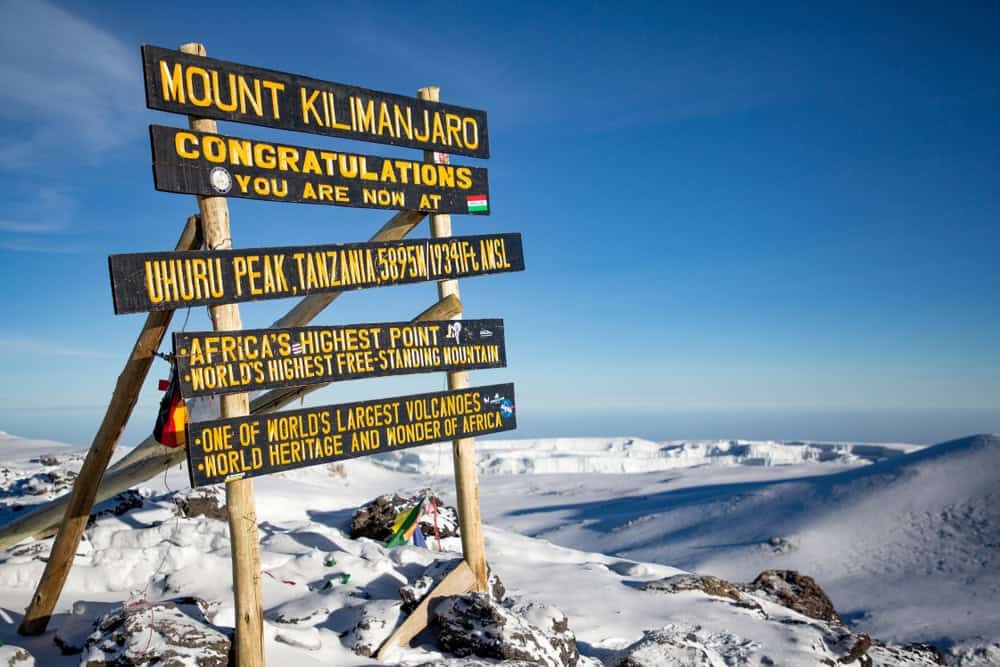
Take on one of Africa's greatest adventures with Go Vision Safaris. Trek through changing mountain landscapes, challenge yourself at altitude and make your way toward the legendary summit of Uhuru Peak.
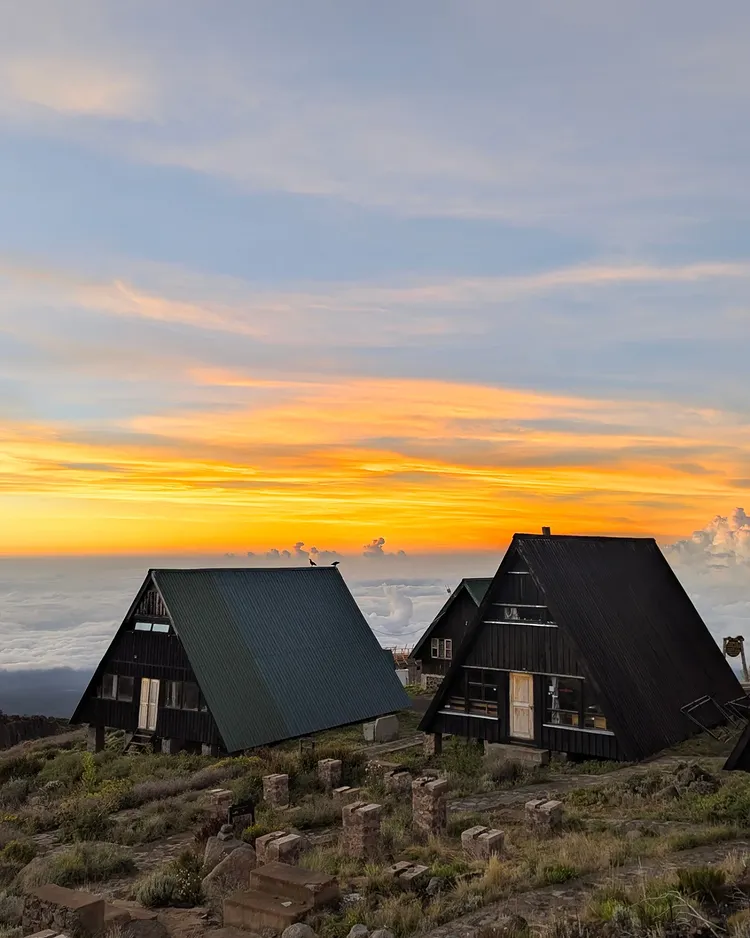
Rising dramatically above the plains of northern Tanzania, Mount Kilimanjaro is one of the world's most extraordinary trekking destinations and the highest mountain in Africa at 5,895 metres above sea level.
Kilimanjaro is a vast volcanic mountain made up of three principal cones — Kibo, Mawenzi and Shira. The famous Uhuru Peak, located on Kibo, marks the highest point of the mountain and the ultimate goal for thousands of trekkers who travel to Tanzania each year.
A Kilimanjaro climb is about much more than reaching the summit. Over several days, trekkers move through remarkably different environments — from cultivated foothills and lush rainforest to open moorland, alpine desert and the dramatic high-altitude landscape surrounding the summit.
You don't need to be a technical mountaineer to experience Kilimanjaro — but good preparation, gradual acclimatization and the right route are essential to creating a safer and more rewarding climb.
Reaching for Uhuru Peak is a major adventure. From choosing the right climbing route to preparing for altitude and managing each day on the mountain, thoughtful planning makes a real difference to your Kilimanjaro experience.
Plan your Mount Kilimanjaro climb with a team based here in Tanzania, with local knowledge of the mountain, the routes and the practical details surrounding your trek.
Lemosho, Machame, Marangu, Rongai, Umbwe and the Northern Circuit each offer a different experience. We help you understand the differences before you choose.
Kilimanjaro is not a race. A sensible itinerary gives your body more time to adjust as you climb higher, which is why route duration and pacing deserve careful consideration.
From your first enquiry through preparation and arrival in Tanzania, Go Vision helps make the climbing process easier to understand and better organized.
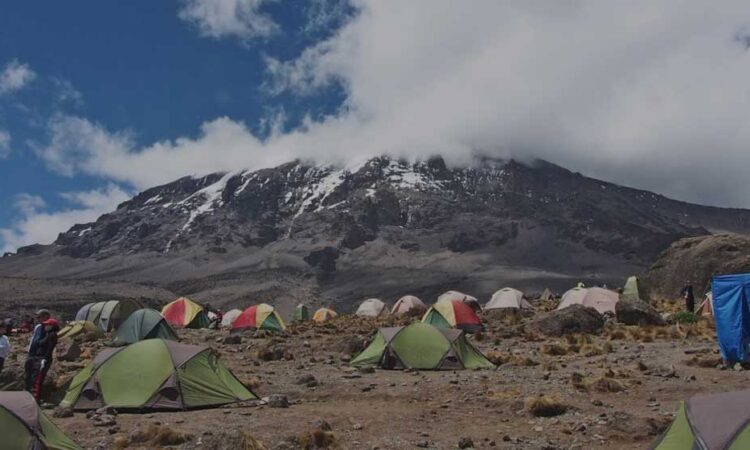
Kilimanjaro rewards patience, preparation and determination.
Before choosing your route, get to know the mountain. These essential Mount Kilimanjaro facts give you a quick picture of the landscape, altitude and extraordinary environment waiting above northern Tanzania.
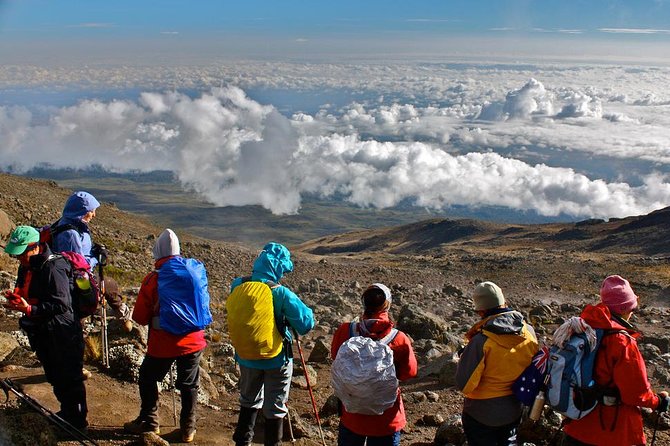
A mountain journey from lush lower slopes toward the remarkable summit landscape.
Kilimanjaro rises to 5,895 metres above sea level, making it the highest mountain in Africa.
Kilimanjaro's volcanic massif includes three main peaks: Kibo, Mawenzi and Shira.
The mountain changes dramatically from lower slopes and forest to heath, moorland, alpine desert and summit.
Mount Kilimanjaro rises above the plains of northern Tanzania and forms one of the country's most iconic landscapes.
Kilimanjaro National Park has been recognized as a UNESCO World Heritage Site since 1987.
Compare Lemosho, Machame, Marangu, Rongai, Northern Circuit and Umbwe to find the experience that suits your plans.
Compare Routes →Kilimanjaro is not just about altitude. Choosing an appropriate route and allowing enough time for gradual acclimatization can make the overall trekking experience much more enjoyable.
UNESCO Kilimanjaro ↗Before choosing your route, get to know the mountain. These essential Mount Kilimanjaro facts give you a quick picture of the landscape, altitude and extraordinary environment waiting above northern Tanzania.
A mountain journey from lush lower slopes toward the remarkable summit landscape.
Kilimanjaro rises to 5,895 metres above sea level, making it the highest mountain in Africa.
Kilimanjaro's volcanic massif includes three main peaks: Kibo, Mawenzi and Shira.
The mountain changes dramatically from lower slopes and forest to heath, moorland, alpine desert and summit.
Mount Kilimanjaro rises above the plains of northern Tanzania and forms one of the country's most iconic landscapes.
Kilimanjaro National Park has been recognized as a UNESCO World Heritage Site since 1987.
Compare Lemosho, Machame, Marangu, Rongai, Northern Circuit and Umbwe to find the experience that suits your plans.
Compare Routes →Kilimanjaro is not just about altitude. Choosing an appropriate route and allowing enough time for gradual acclimatization can make the overall trekking experience much more enjoyable.
UNESCO Kilimanjaro ↗Approaching Mount Kilimanjaro from the west, the Lemosho Route offers an exceptionally varied journey through forest, open moorland and the sweeping landscapes of the Shira Plateau before joining the mountain's southern circuit.
The route is an excellent choice for trekkers who want more time to experience Kilimanjaro rather than simply taking the shortest way upward. The changing scenery, gradual progression and additional time on the mountain make Lemosho one of Go Vision Safaris' standout Kilimanjaro trekking experiences.
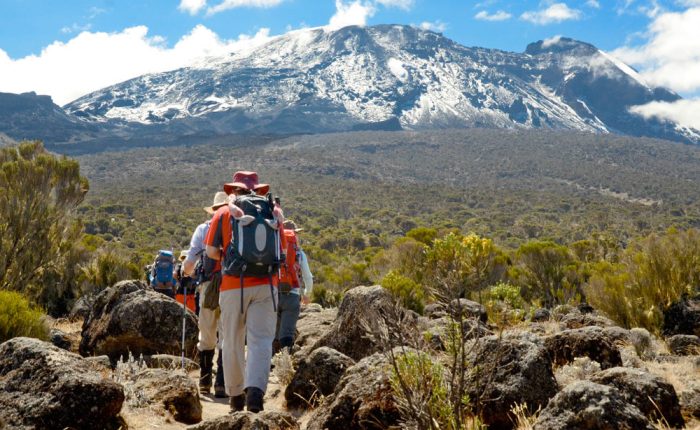
Western gateway
Rainforest
High plateau
Southern circuit
Summit base
5,895 m
Lemosho works particularly well for climbers who prefer a longer journey with changing landscapes and a less hurried progression toward the summit.
Approaching Mount Kilimanjaro from the west, the Lemosho Route offers an exceptionally varied journey through forest, open moorland and the sweeping landscapes of the Shira Plateau before joining the mountain's southern circuit.
The route is an excellent choice for trekkers who want more time to experience Kilimanjaro rather than simply taking the shortest way upward. The changing scenery, gradual progression and additional time on the mountain make Lemosho one of Go Vision Safaris' standout Kilimanjaro trekking experiences.
Western gateway
Rainforest
High plateau
Southern circuit
Summit base
5,895 m
Lemosho works particularly well for climbers who prefer a longer journey with changing landscapes and a less hurried progression toward the summit.
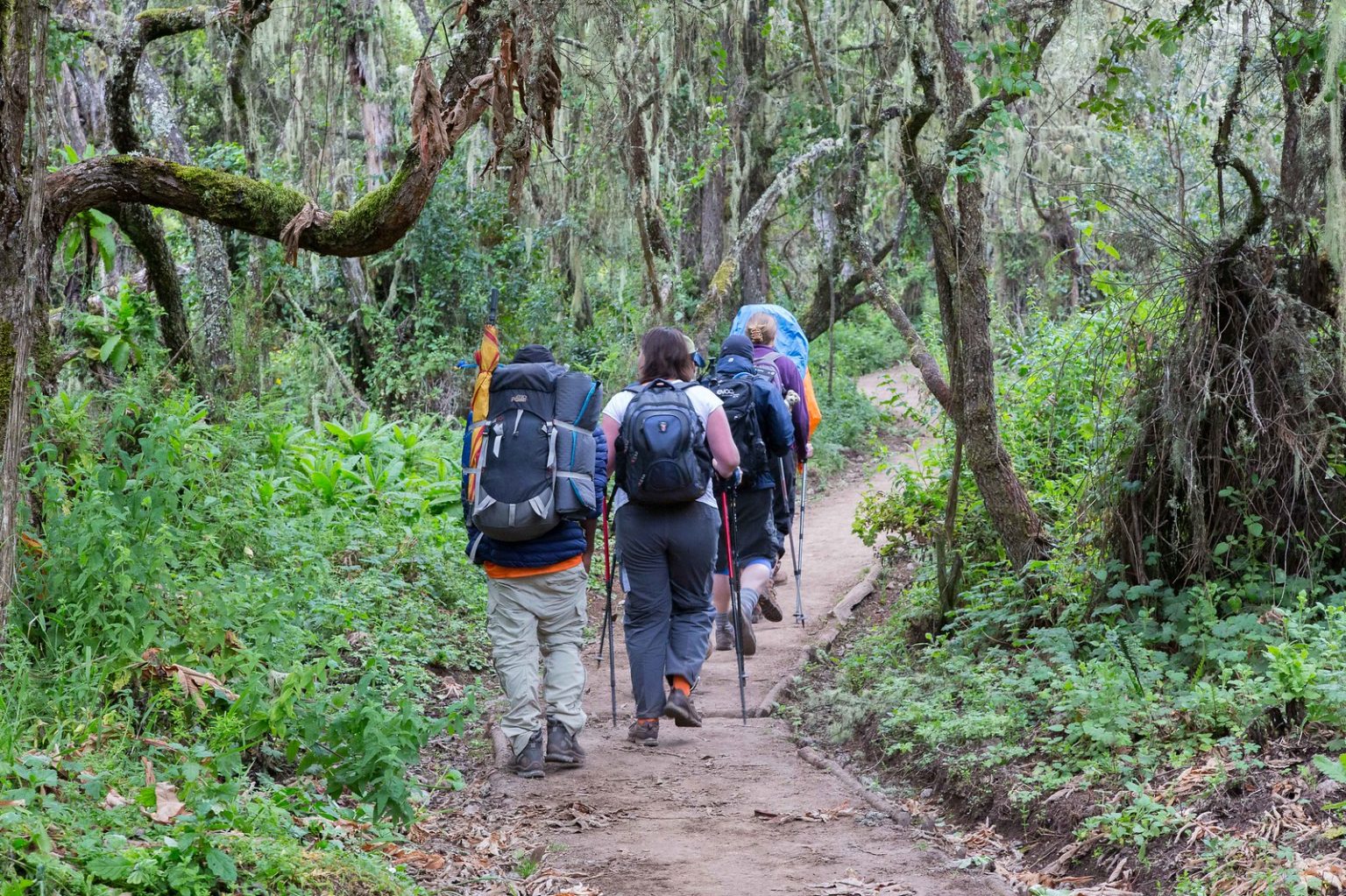
The Machame Route is an excellent choice for travellers who want to experience the changing character of Mount Kilimanjaro—from lush lower forest to wide-open high-altitude landscapes and the dramatic southern side of Kibo.
Beginning at Machame Gate, the trail climbs through rainforest before reaching the Shira area. Higher on the mountain, trekkers encounter landmarks such as Lava Tower, Barranco and Barafu before making the final push toward Uhuru Peak.
Experience dramatic changes in scenery as the trail moves from forest into increasingly open high-altitude terrain.
Reach the expansive Shira landscape and enjoy impressive perspectives across the upper mountain.
The route includes some of Kilimanjaro's most recognizable high-mountain landmarks.
Spend your nights in mountain camps as the expedition gradually moves toward summit day.
A simplified overview of the major landscapes and landmarks encountered during a typical Machame ascent.
Machame is particularly attractive to travellers who want an active camping-based Kilimanjaro experience with varied terrain and several iconic mountain landmarks.
The Rongai Route approaches Mount Kilimanjaro from the north, giving trekkers a different perspective on Africa's highest mountain and a more remote atmosphere than several of the busier southern approaches.
The route gradually moves through changing mountain terrain before joining the upper slopes toward Kibo and the final summit journey to Uhuru Peak at 5,895 metres. It is a strong choice for travellers looking for a quieter Kilimanjaro trekking experience.
Experience Kilimanjaro from a different side of the mountain with a northern starting point.
Enjoy a more peaceful trekking atmosphere during the earlier stages of the climb.
Cross wide, open mountain terrain with impressive views toward Mawenzi and Kibo.
Continue toward the summit zone for the final ascent to Africa's highest point.
A simplified look at the changing landscapes encountered as the Rongai Route climbs toward Kilimanjaro's summit.
Begin from the quieter northern side of Kilimanjaro.
Trek through the lower vegetation zones.
Enter dramatic open high-altitude landscapes.
Prepare for the final summit ascent.
Reach the highest point in Africa.
The northern approach can offer a more peaceful atmosphere during the early stages of the trek.
See Kilimanjaro from landscapes that feel noticeably different from the popular southern approaches.
Enjoy a camping-based trekking experience that gradually moves into Kilimanjaro's dramatic high-altitude environment.
Go Vision Safaris can help you compare Rongai with Lemosho, Machame, Marangu, Umbwe and the Northern Circuit before choosing your Kilimanjaro itinerary.
The Northern Circuit Route is designed for travellers who want more time on Mount Kilimanjaro, broader landscapes and a quieter trekking atmosphere away from some of the mountain's busier trails.
The journey travels around Kilimanjaro's remote northern slopes before eventually turning toward the upper mountain and the final ascent to Uhuru Peak at 5,895 metres. Its longer itinerary creates a slower, more immersive experience of the mountain.
A longer itinerary creates additional time to experience the mountain before summit day.
Travel through sections of Kilimanjaro with a more remote and spacious trail atmosphere.
See Kilimanjaro from multiple perspectives as the route traverses around the mountain.
The extended schedule allows a less compressed progression through increasingly high terrain.
The Northern Circuit spends significant time away from several of Kilimanjaro's more heavily travelled approaches.
Wide high-altitude terrain and changing perspectives create a strong sense of travelling around the mountain.
An eight- or nine-day itinerary gives travellers more time to experience the mountain than shorter climbing schedules.
The expedition ultimately turns toward Kilimanjaro's upper slopes for the final journey to Uhuru Peak.
The Northern Circuit is defined less by rushing upward and more by travelling gradually around Kilimanjaro before turning toward the summit.
Enter Kilimanjaro's lower landscapes.
Reach the expansive high plateau.
Enter quieter, remote terrain.
Experience Kilimanjaro away from busier trails.
Prepare for the final high-altitude climb.
Reach Africa's highest point.
The Northern Circuit is particularly appealing to travellers who value additional trekking days, remote mountain scenery and a less hurried experience.
The Umbwe Route takes a steep and direct approach up the southern side of Mount Kilimanjaro. Elevation is gained quickly during the early stages, creating a noticeably more demanding experience than the mountain's longer, more gradual routes.
For this reason, Go Vision Safaris generally considers Umbwe a specialist option for experienced, well-prepared trekkers who understand the physical demands and altitude challenges involved in a faster ascent profile.
Your fitness, trekking background, previous altitude experience and overall preparation should all be considered before selecting this route.
The trail gains elevation rapidly during the early part of the climb.
Overnight in expedition-style camps throughout the trekking journey.
Better suited to strong, prepared hikers comfortable with demanding terrain.
Continue through the upper mountain toward Kilimanjaro's 5,895-metre summit.
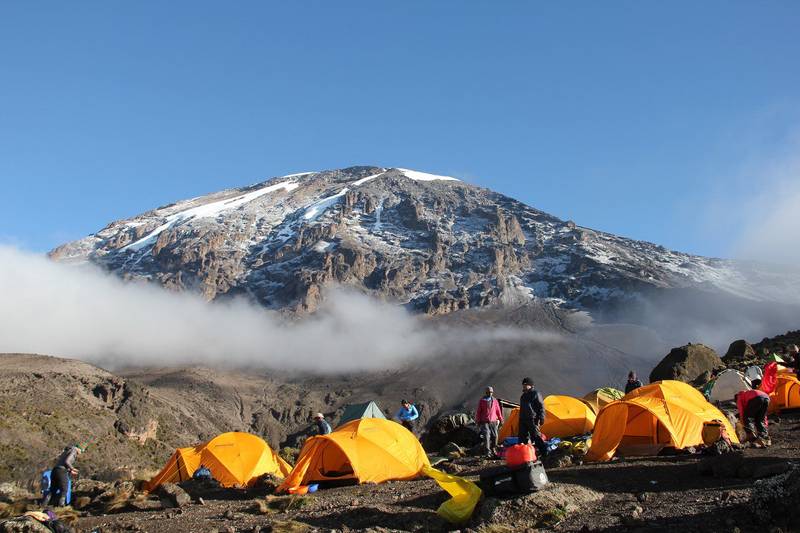
Umbwe gains altitude quickly before connecting with Kilimanjaro's southern high-altitude trail system toward Barranco, Barafu and the summit.
Enter through the mountain's southern forest.
Gain elevation rapidly through demanding terrain.
Join Kilimanjaro's dramatic southern mountain landscape.
Continue across increasingly high and exposed terrain.
Prepare for the final overnight summit ascent.
Reach Africa's highest point.
Faster elevation gain and a more demanding early route profile.
A classic alternative with varied terrain and a less direct approach.
Longer western approach with additional time on the mountain.
More trekking days and a gradual journey around remote northern slopes.
Before confirming Umbwe, tell Go Vision about your trekking history, fitness, altitude experience and available days so we can honestly compare it with more gradual routes.
Choosing a Mount Kilimanjaro climbing route is about much more than selecting the shortest itinerary. Consider your available time, preferred scenery, trekking style, accommodation preference and how gradually you want to progress toward higher altitude.
Use this Go Vision Safaris comparison as a starting point, then speak with us before confirming the route that best matches your experience and travel plans.
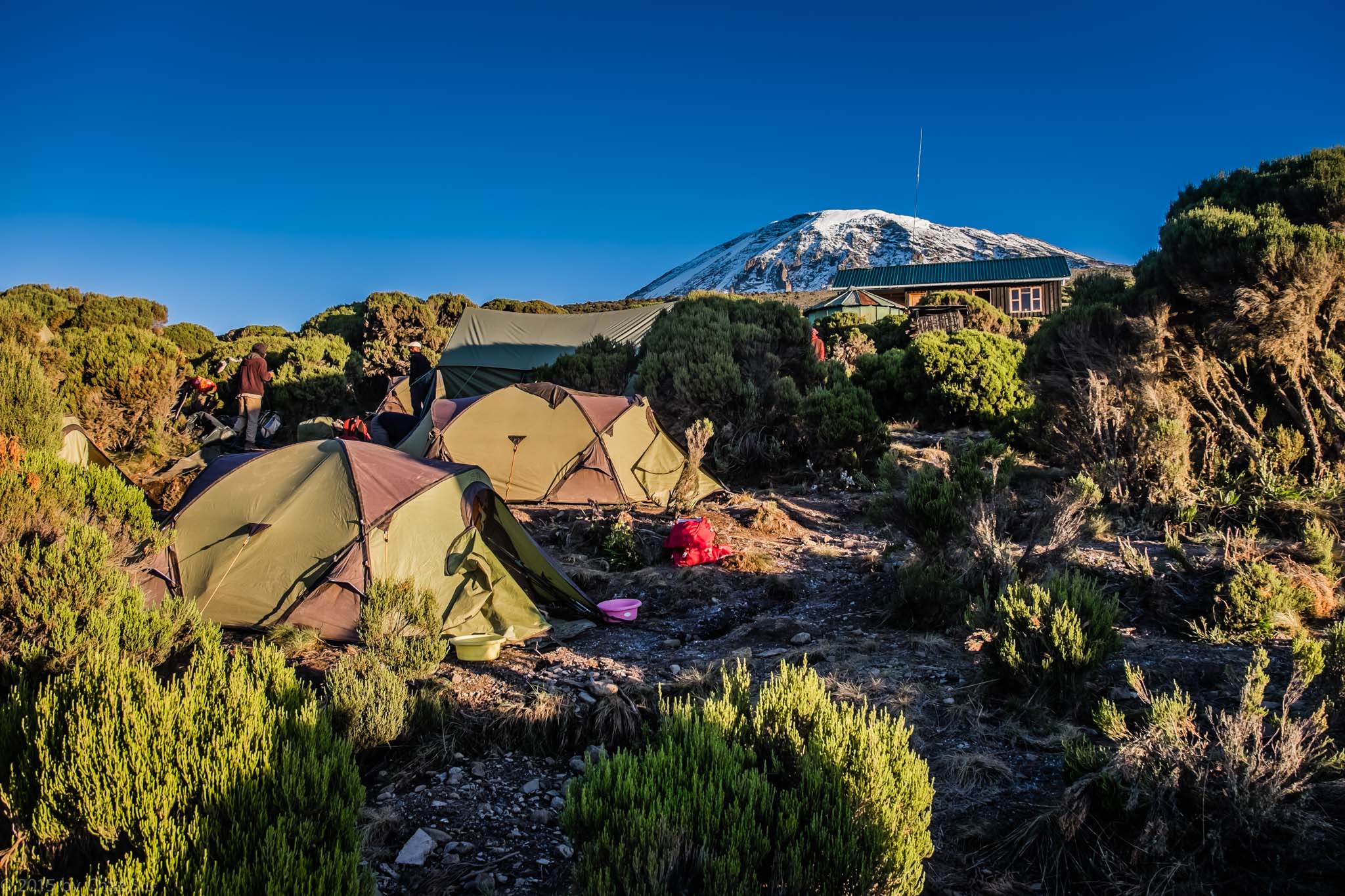
Longer western approach with varied landscapes and gradual progression.
Varied terrain, camping and several famous Kilimanjaro landmarks.
The main choice for trekkers who prefer established mountain huts.
Northern-side journey with a quieter and more remote atmosphere.
More time on the mountain with extensive northern-slope trekking.
Steep and direct route better suited to experienced, prepared trekkers.
Start by comparing Lemosho and Machame.
Look closely at the Marangu Route.
Compare Rongai and the Northern Circuit.
Consider Lemosho or the Northern Circuit.
Discuss whether Umbwe is appropriate for you.
A longer itinerary can provide a more gradual mountain experience. Your fitness, trekking history, available time and comfort at altitude should all form part of the decision.
Share your preferred dates, number of trekking days, experience level and travel plans with Go Vision Safaris.
One of the most extraordinary parts of a Mount Kilimanjaro climb is watching the environment transform as you gain altitude.
Kilimanjaro's five main vegetation zones take trekkers from the green lower mountain through forest, heath and moorland, alpine desert and finally the stark landscape surrounding Africa's highest summit.
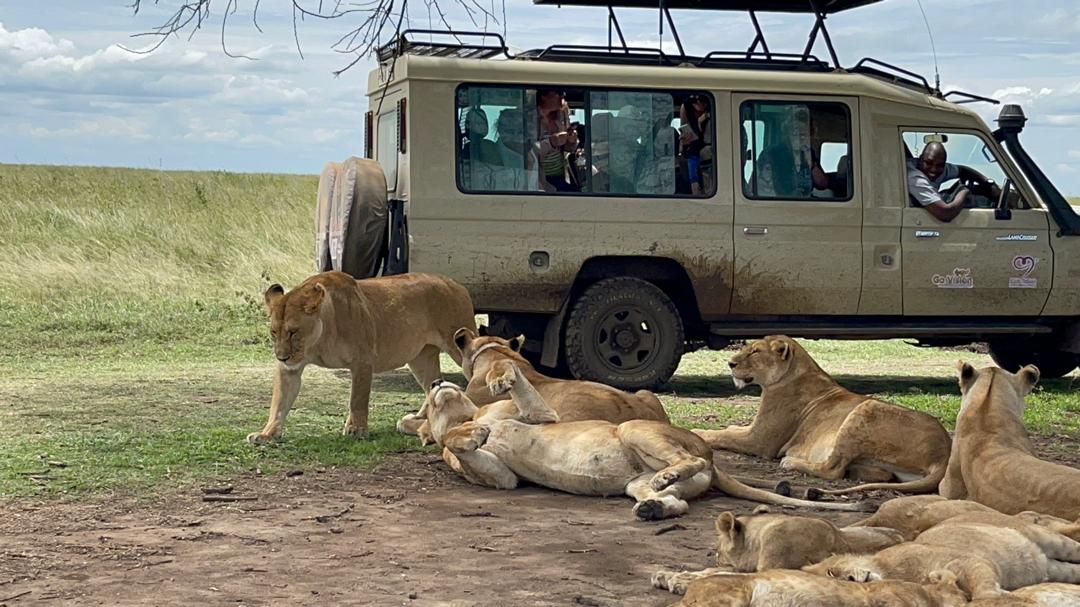
Vegetation becomes increasingly sparse as trekkers leave the lower mountain behind and approach Kilimanjaro's exposed upper slopes.
Each zone has its own character, vegetation, temperature and atmosphere. Moving through them is one of the defining experiences of trekking Kilimanjaro.
Kilimanjaro begins in a much greener environment than many first-time climbers expect, with cultivated and inhabited landscapes surrounding the lower mountain.
The lower trekking trails pass beneath a lush forest canopy where the mountain feels green, enclosed and very different from the open terrain waiting higher up.
Leaving the forest behind, the views open dramatically. Lower trees give way to hardy mountain vegetation and increasingly expansive views across Kilimanjaro.
Vegetation becomes sparse and the landscape takes on a stark volcanic character. Days can feel exposed while nights become increasingly cold.
The final environment is stark, cold and high above the landscapes below. This is the world surrounding Kibo and the final journey toward Uhuru Peak.
The surroundings can look completely different from one stage of the climb to another.
Temperature, wind exposure and vegetation change significantly as elevation increases.
Climbers need clothing systems that can adapt to very different mountain environments.
Part of the Kilimanjaro experience is appreciating the journey through these changing landscapes.
Next, discover when to climb Kilimanjaro and how seasonal conditions can influence your trekking experience.
Mount Kilimanjaro can be climbed throughout the year, but rainfall, visibility, trail activity and temperatures change with the seasons.
January to February and June to September are among the most popular climbing periods, while wetter months can bring quieter trails and greener mountain landscapes.
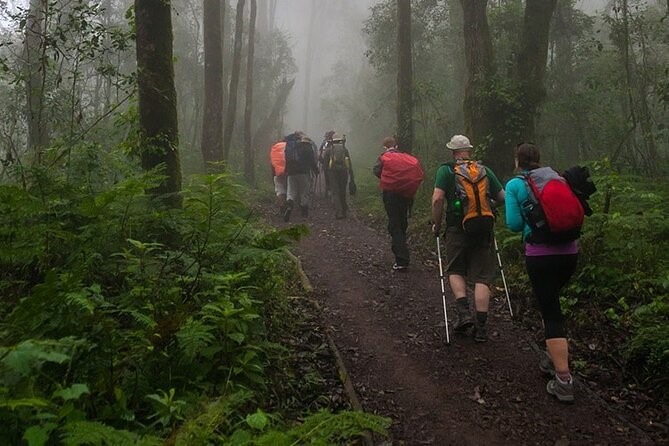
A single Kilimanjaro trek can include warm forest, rainfall, strong sun, wind, cold nights and freezing conditions near the summit.
Often chosen for a favourable balance of clearer periods and generally lighter rainfall before the main long-rain season develops.
One of Kilimanjaro's most popular climbing periods. Conditions are often drier, although nights and higher elevations can be particularly cold.
A popular period before the longer rains, often offering a good combination of mountain visibility and greener lower landscapes.
March is transitional, while April and May are commonly the wettest part of the year around Kilimanjaro. Trails can feel quieter, wetter and more atmospheric.
A major Kilimanjaro climbing window with generally drier conditions. Popular routes can be busier, particularly during peak holiday periods.
October can begin as a dry-season transition, while November often brings shorter rains. December commonly returns toward another popular climbing period.
This is a general planning guide rather than a weather guarantee. Mountain conditions can change quickly at any time of year.
Consider these months if you prioritise one of Kilimanjaro's main climbing periods.
A popular alternative before the main long-rain period develops.
Lower mountain areas can feel especially green during this part of the year.
Some transitional periods may feel quieter, although weather can be less predictable.
Kilimanjaro creates its own high-altitude conditions. Sunshine can become cloud, rain or strong wind within the same trekking day, while summit temperatures can remain extremely cold even during otherwise dry periods.
Tell Go Vision Safaris when you would like to travel. We can help you compare seasonal conditions, route options and the number of climbing days that suit your overall Tanzania journey.
Mount Kilimanjaro reaches 5,895 metres, where reduced oxygen makes altitude one of the most important considerations on every climbing itinerary.
Good fitness helps you handle long trekking days, but it does not guarantee protection from altitude illness. A sensible route, gradual progression and honest communication with your mountain guide are essential.
As you climb higher, your body needs time to respond to decreasing oxygen levels. This adjustment process is known as acclimatization.
Longer itineraries generally provide more opportunity for gradual altitude adaptation than compressed climbing schedules. This is one reason Go Vision encourages travellers to compare the number of mountain days—not simply choose the shortest route.
When your schedule allows, give yourself more mountain time instead of selecting a route only because it reaches the summit faster.
Follow the sustainable pace established by your mountain guide and conserve energy for the higher stages of the climb.
Tell your guide immediately if you develop headache, nausea, dizziness, unusual fatigue, appetite loss or vomiting.
Summit pressure should never come before your wellbeing. Accurate information helps your guide make responsible mountain decisions.
Previous severe altitude illness, existing medical conditions or questions about altitude medication should be discussed before your Kilimanjaro trip.
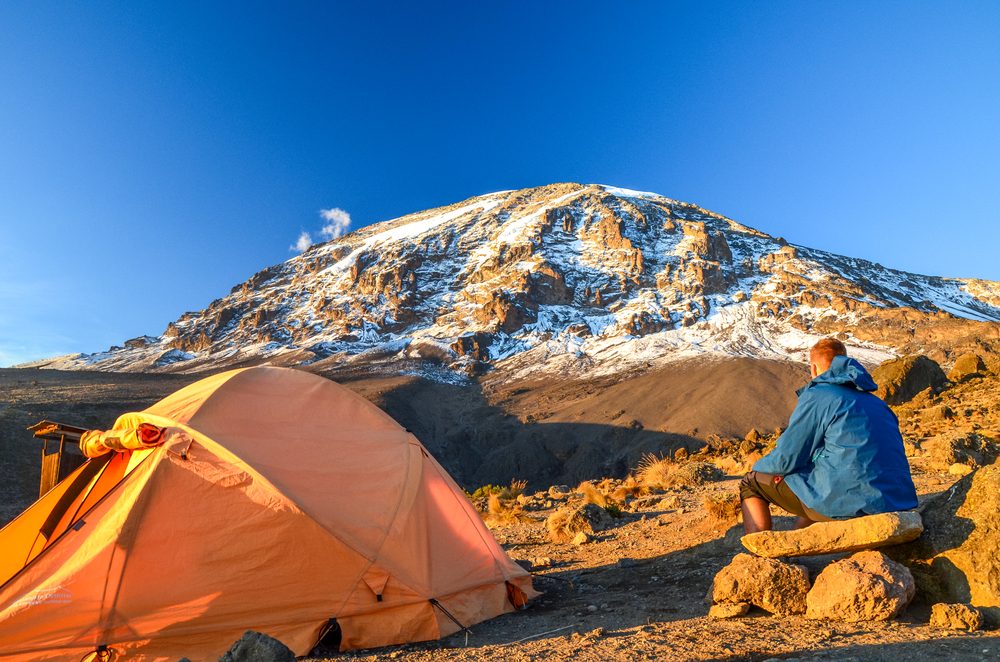
Your wellbeing always comes before reaching the top of the mountain.
Exact elevations vary according to route and campsite, but every Kilimanjaro itinerary eventually moves from comfortable lower elevations into serious high-altitude terrain.
Settle into a comfortable walking rhythm rather than pushing the pace early.
Notice changes in appetite, energy, sleep and how you feel while walking.
New or worsening symptoms should always be reported to your guide.
Reaching Uhuru Peak must never override a responsible decision to stop or descend.
Do not try to diagnose yourself on the mountain. Tell your guide about new or worsening symptoms.
Be open about new symptoms instead of trying to hide them from your guide.
Do not move to a higher sleeping altitude while experiencing altitude-illness symptoms.
If symptoms worsen despite rest, moving to a lower elevation may become necessary.
Tell us your trekking experience, available days and preferred travel month. Go Vision Safaris can help you compare routes before you commit to your Kilimanjaro climb.
This section provides general trip-planning information and does not replace personalised medical advice, diagnosis or treatment.
A Mount Kilimanjaro climb involves several consecutive trekking days, long periods on your feet and increasingly demanding mountain terrain.
Preparation is not about becoming a professional athlete. The goal is to arrive in Tanzania comfortable with walking, hills, your trekking boots, daypack and the equipment you will depend on during the climb.
Familiar boots, a correctly adjusted daypack and tested clothing layers can prevent unnecessary discomfort once you are already on the mountain.
Good preparation helps reduce avoidable discomfort and lets you concentrate on the mountain rather than discovering equipment problems during the trek.
Become comfortable walking for several hours at a steady pace.
Prepare for uphill trekking, uneven ground and long descents.
Become more confident on rocky, wet or irregular surfaces.
Rest is part of training, particularly as your walks become longer.
Start from your present fitness level rather than jumping immediately into demanding sessions. Your personal programme should reflect your health, experience and available training environment.
Establish consistency with regular walks, gentle hills and suitable cardiovascular activity.
Include uphill and downhill walking. Stairs or an inclined treadmill can help when hills are unavailable.
Complete longer walks while carrying the daypack, water and layers you expect to use.
Avoid chasing last-minute fitness. Focus on recovery, equipment checks, sleep and final travel preparation.
Your final equipment requirements should reflect your route, travel month and the services included in your confirmed Go Vision climbing package.
Comfortable, tested footwear is one of the most important parts of your preparation.
Build a flexible system that can adjust from warm lower slopes to cold summit conditions.
Protect yourself from both strong mountain sun and freezing high-altitude temperatures.
Nights become cold and simple mountain camps require practical, reliable equipment.
Keep the items you may need during each trekking day accessible in your own daypack.
Important travel and personal information should be organised before leaving home.
New boots, an unfamiliar backpack or an untested waterproof jacket can become a major frustration during a multi-day trek.
Tell Go Vision Safaris your selected Kilimanjaro route, travel month and any equipment you may need to rent in Tanzania before beginning your final packing.
Training and equipment requirements vary between travellers. Seek appropriate professional advice before starting a new exercise programme if you have health or exercise concerns.
Behind every Mount Kilimanjaro climbing experience is a mountain team working together to support the journey from the entrance gate to the final descent.
Guides lead the trek and communicate with climbers, while porters, cooks and other mountain crew members help make multi-day life on Kilimanjaro possible.
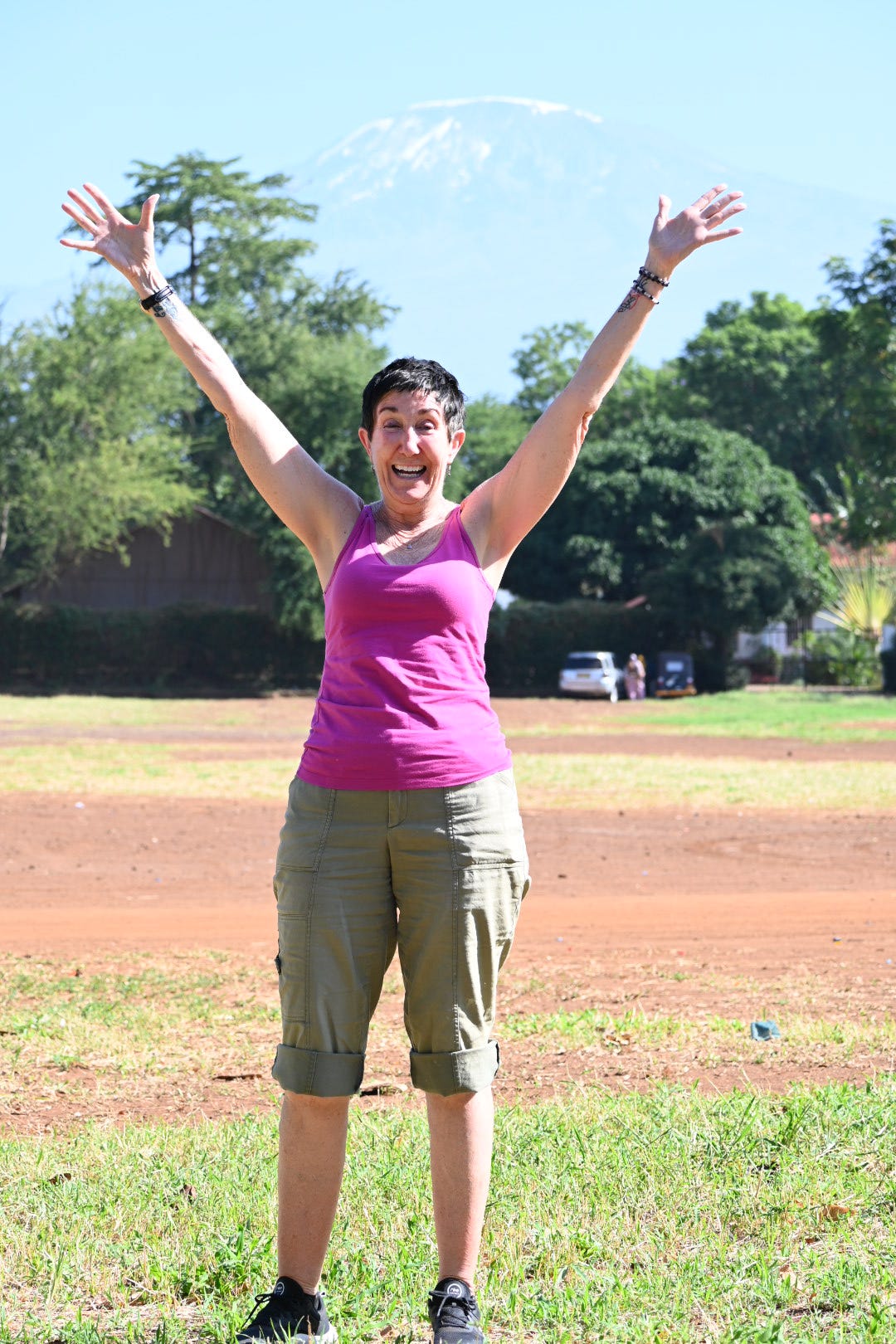
The memories of Kilimanjaro are shaped not only by the summit, but by encouragement, teamwork and the people sharing the mountain with you.
A Kilimanjaro expedition depends on coordination. Understanding the people involved also helps climbers appreciate how much teamwork goes into every day on the mountain.
Lead the trekking group, manage the daily pace, communicate important mountain information and remain closely involved throughout the climb.
Support camp-to-camp logistics and help move essential expedition equipment between overnight locations.
Prepare meals and contribute to the daily organisation of camp during multi-day Kilimanjaro trekking itineraries.
Follow guide instructions, communicate honestly, respect the mountain crew and approach the journey with patience and consideration.
Responsible trekking is reflected in many small decisions—from following your guide and keeping the trail clean to treating every member of the mountain team with dignity.
Treat guides, porters, cooks and other local professionals with courtesy throughout the climb.
Keep waste under control and help protect the landscapes you have travelled to experience.
Listen carefully to the mountain team regarding pace, trail behaviour and changing conditions.
Remember that Kilimanjaro is both an extraordinary natural landscape and part of the lives and livelihoods of local Tanzanians.
Long mountain days often become memorable because of the encouragement shared along the trail.
Every camp and trekking day depends on people carrying out different responsibilities together.
Local mountain professionals bring practical familiarity with Kilimanjaro and its environment.
Go Vision Safaris is based in Tanzania and works with local travel and mountain professionals involved in creating and supporting Kilimanjaro experiences.
Tell us your preferred route, travel dates and trekking experience. Our Tanzania-based team can explain the mountain arrangements connected with your selected itinerary.
Standing at Uhuru Peak, 5,895 metres, begins with the decisions you make long before arriving at the trailhead.
Tell Go Vision Safaris when you would like to travel, how many days you have, your trekking experience and which Kilimanjaro routes interest you. Our Tanzania-based team will help you compare the options and shape your mountain journey around your plans.
Compare Lemosho, Machame, Marangu, Rongai, Northern Circuit and Umbwe.
Match your preferred month with your route, itinerary length and Tanzania plans.
Receive practical guidance for training, equipment and your pre-climb preparation.
Add wildlife safari, cultural experiences or Zanzibar after your Kilimanjaro climb.
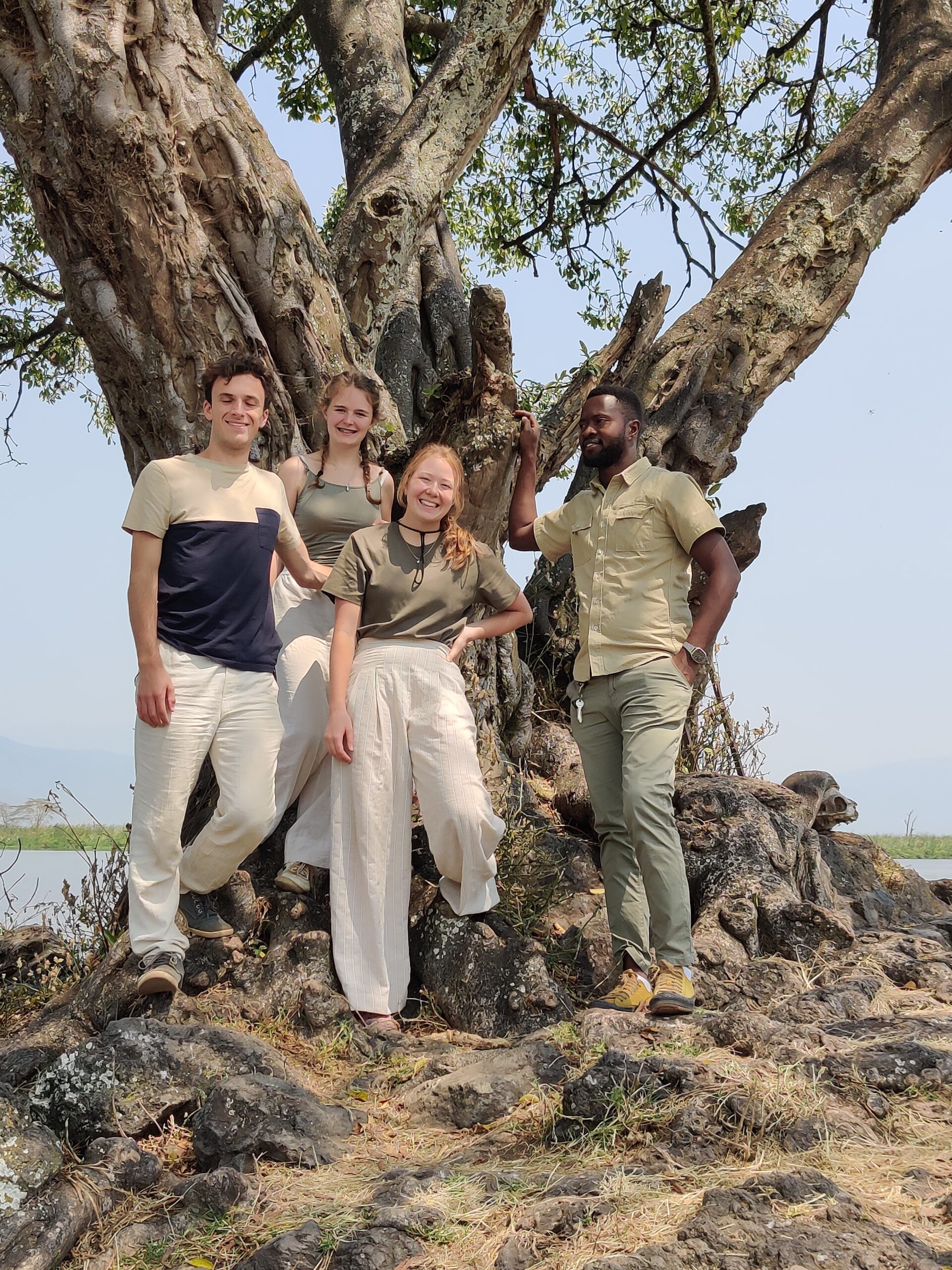
Personal planning from your first question to your final Tanzania travel arrangements.
Kilimanjaro can be combined with Tanzania's wildlife areas or Zanzibar as one connected itinerary.
Start with a conversation. Tell us when you want to climb, and we'll help you build the journey step by step.