Remarkable Wildlife Density
Lions, buffalo, zebras, wildebeest, hippos, hyenas and other wildlife can often be seen across relatively compact areas of the crater floor.

Descend into one of Africa’s most extraordinary wildlife landscapes, where lions, elephants, buffalo, hippos and the rare black rhino roam beneath the dramatic walls of Tanzania’s Ngorongoro Crater.
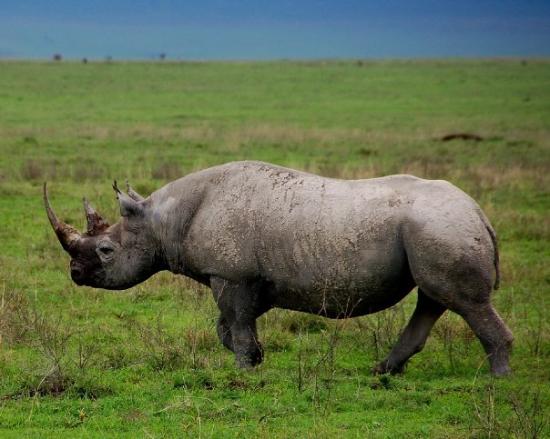
A remarkable meeting place of wildlife, volcanic scenery and traditional pastoral landscapes.
Ngorongoro is far more than a single crater. It is an immense highland wilderness of volcanic peaks, open grasslands, forests and wildlife-rich plains in northern Tanzania.
At its heart lies the legendary Ngorongoro Crater, one of Africa’s most extraordinary safari destinations. Descending from the crater rim into this natural amphitheatre reveals a remarkably rich concentration of wildlife, including lions, buffalo, zebras, wildebeest, hippos and the critically important black rhino.
The wider conservation area is equally fascinating. Travellers can experience dramatic highlands, Maasai pastoral landscapes, archaeological history and panoramic viewpoints while moving between some of Tanzania’s most famous safari destinations.
Explore one of East Africa’s most spectacular geological environments.
Enjoy outstanding opportunities to see predators, plains game and black rhinos.
Easily combined with Serengeti, Tarangire and Lake Manyara on one Tanzania safari.
Few safari destinations bring together dramatic scenery, remarkable wildlife density and cultural heritage as powerfully as Ngorongoro.
The journey begins high on the crater rim, where sweeping views reveal the vast volcanic basin below. As you descend toward the crater floor, the landscape opens into grasslands, forests, wetlands and seasonal water sources that support an exceptional variety of wildlife.
This natural setting makes a Ngorongoro Crater safari especially rewarding for first-time visitors to Tanzania, photographers and travellers who want to experience several iconic African species within one unforgettable day.
Lions, buffalo, zebras, wildebeest, hippos, hyenas and other wildlife can often be seen across relatively compact areas of the crater floor.
Ngorongoro is one of Tanzania’s most important destinations for travellers hoping to see the rare black rhino during a Northern Circuit safari.
The enormous crater walls create one of the most dramatic natural safari settings in East Africa.
Ngorongoro fits naturally between Tarangire, Lake Manyara and Serengeti, making it an essential part of many Tanzania safari itineraries.
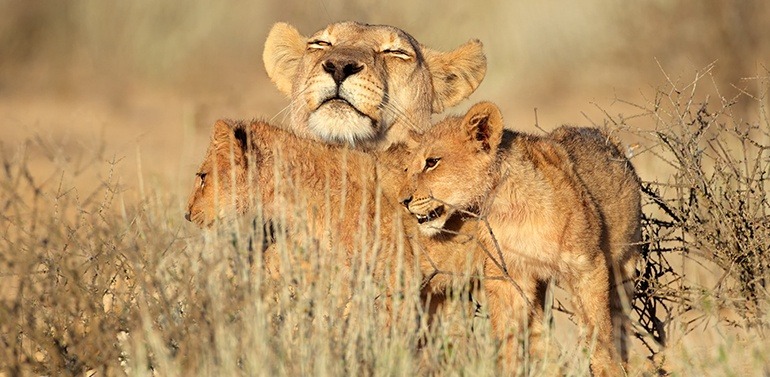
One destination, countless reasons to remember Tanzania.
The Ngorongoro Crater is the dramatic result of immense volcanic forces that shaped northern Tanzania millions of years ago.
Long before it became one of Africa’s most famous safari destinations, Ngorongoro was part of a massive volcanic mountain. After powerful eruptions emptied the magma chamber beneath it, the summit eventually collapsed inward, creating the enormous volcanic caldera visitors see today.
Over time, grasslands, forests, springs, wetlands and lakes developed within the basin. These varied habitats now support an extraordinary concentration of wildlife and give the crater its distinctive appearance.
Standing on the rim before descending to the crater floor gives travellers a remarkable sense of scale. The steep walls surround a vast natural basin, creating one of the most recognizable landscapes on a Tanzania safari.
Intense volcanic activity shaped the highlands that form today’s Ngorongoro landscape.
After major volcanic activity, the upper structure collapsed, leaving behind a huge enclosed basin.
Water, vegetation and diverse habitats transformed the ancient caldera into a remarkable wildlife ecosystem.
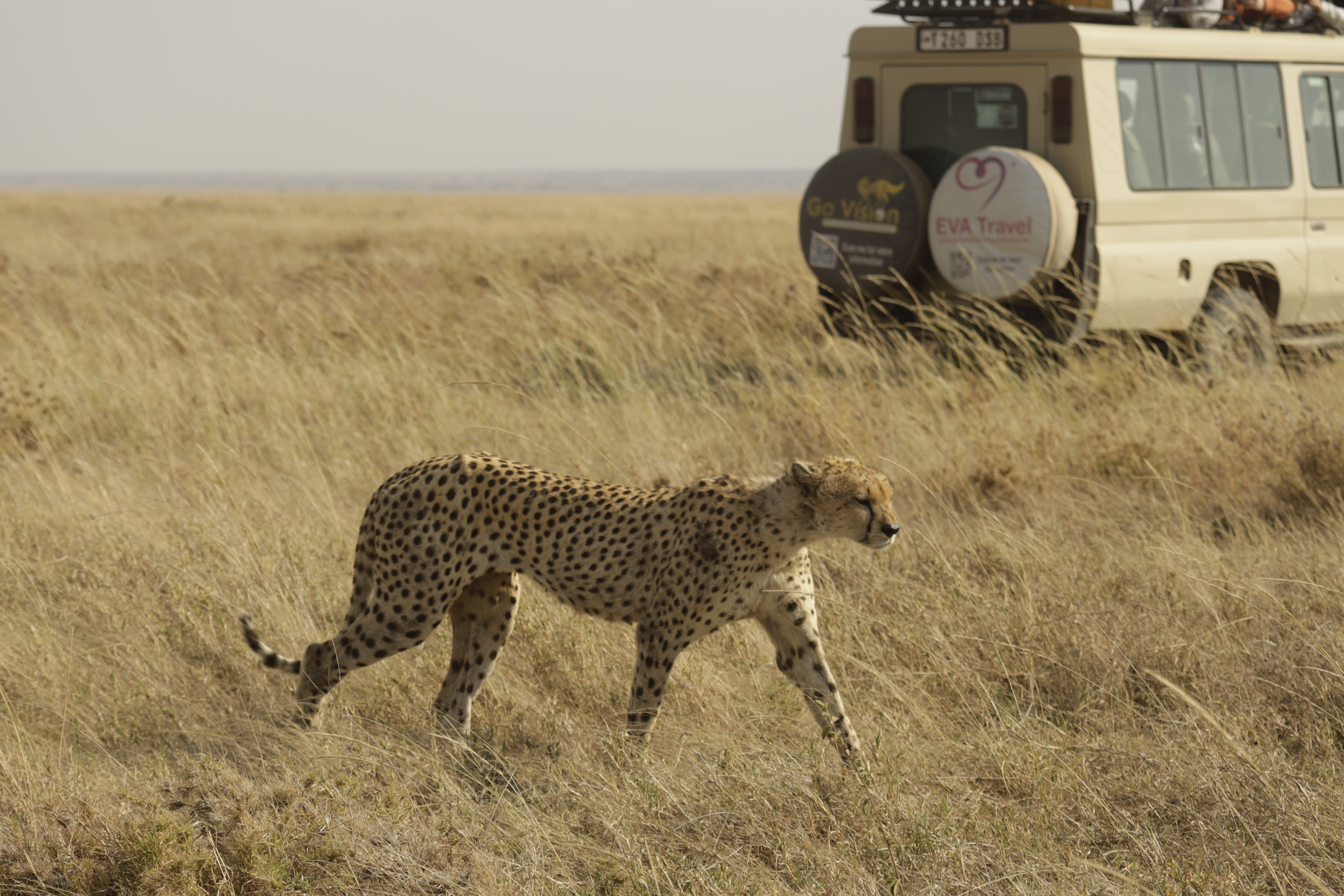
From powerful lions and enormous buffalo to grazing zebras, wildebeest, hippos and elusive black rhinos, the Ngorongoro landscape offers some of northern Tanzania’s most rewarding wildlife encounters.
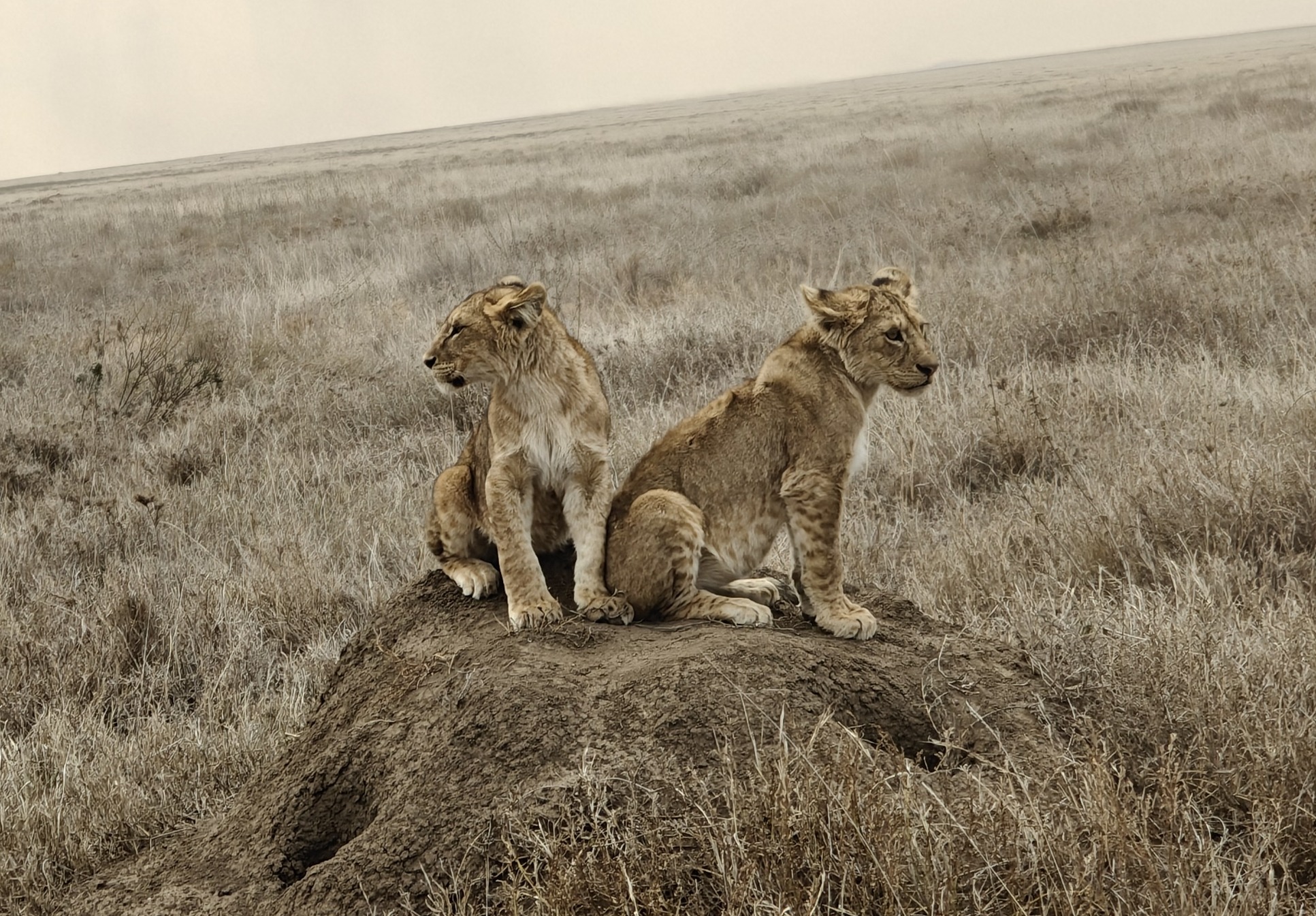
Grasslands, wetlands, woodland and permanent water sources create habitats for an extraordinary variety of animals.
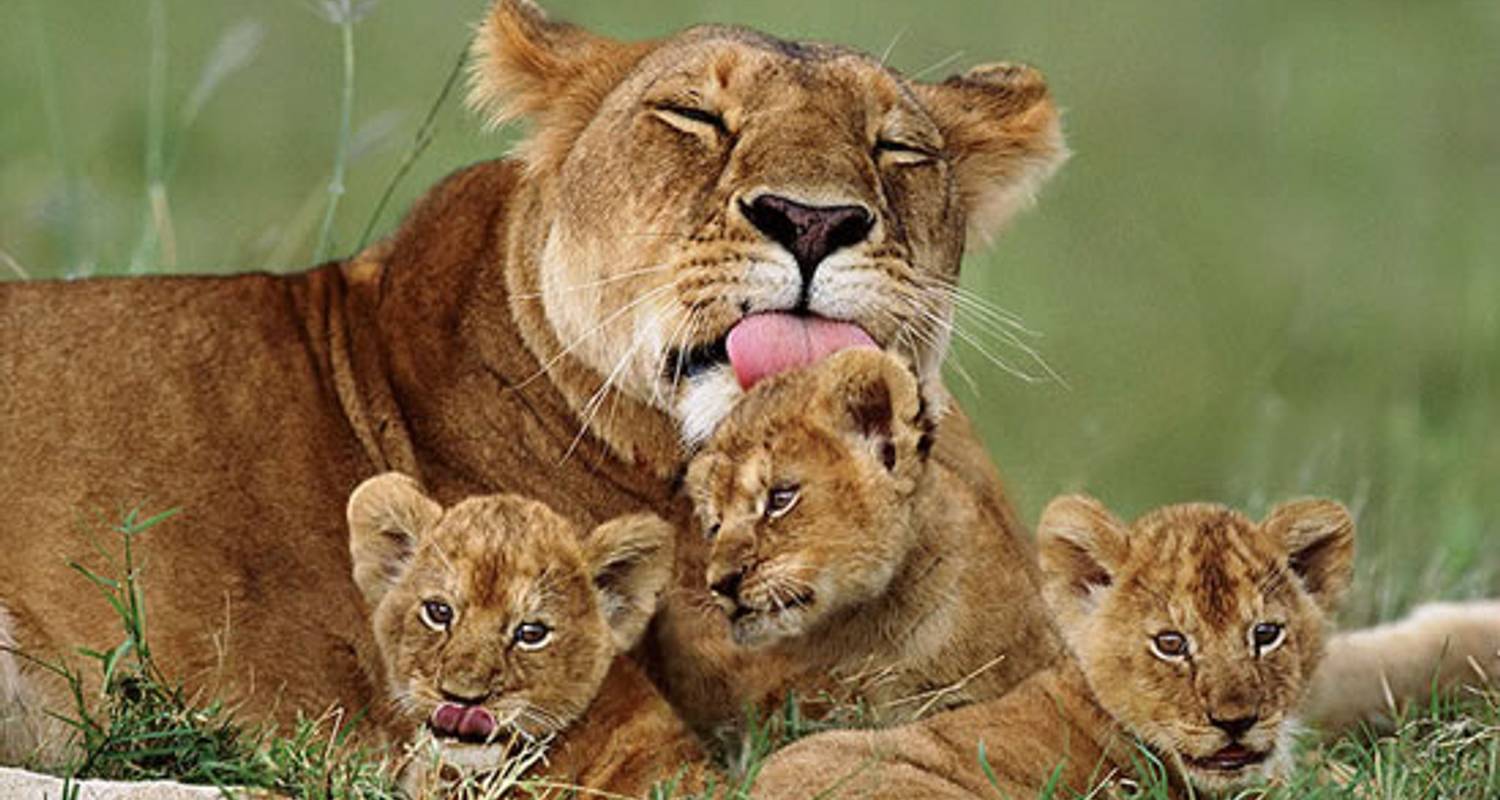
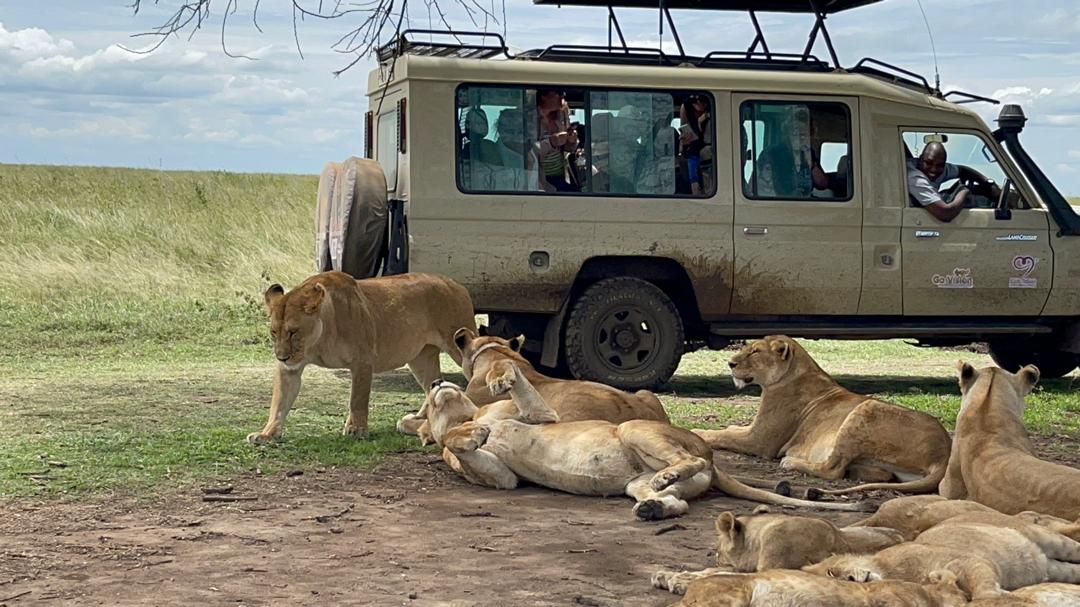
Ngorongoro offers excellent opportunities to observe lions resting, hunting and moving across the crater grasslands.
The crater is one of Tanzania’s best-known locations for travellers hoping to encounter the endangered black rhino.
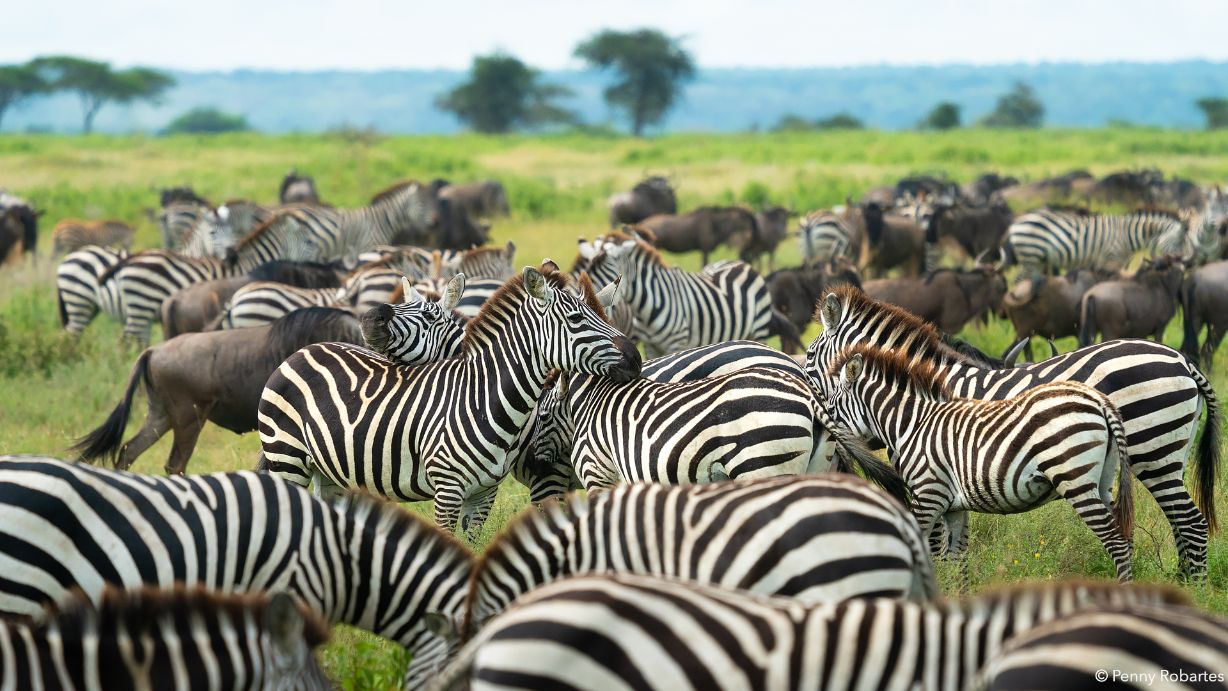
Herds move across the open plains, providing classic African safari scenes and attracting resident predators.
Powerful buffalo roam the grasslands while hippos gather around pools and permanent water sources.
Go Vision Safari Tip: An early descent into the crater gives you more time to explore changing habitats and search for wildlife while the morning is cool.
Explore Our Safaris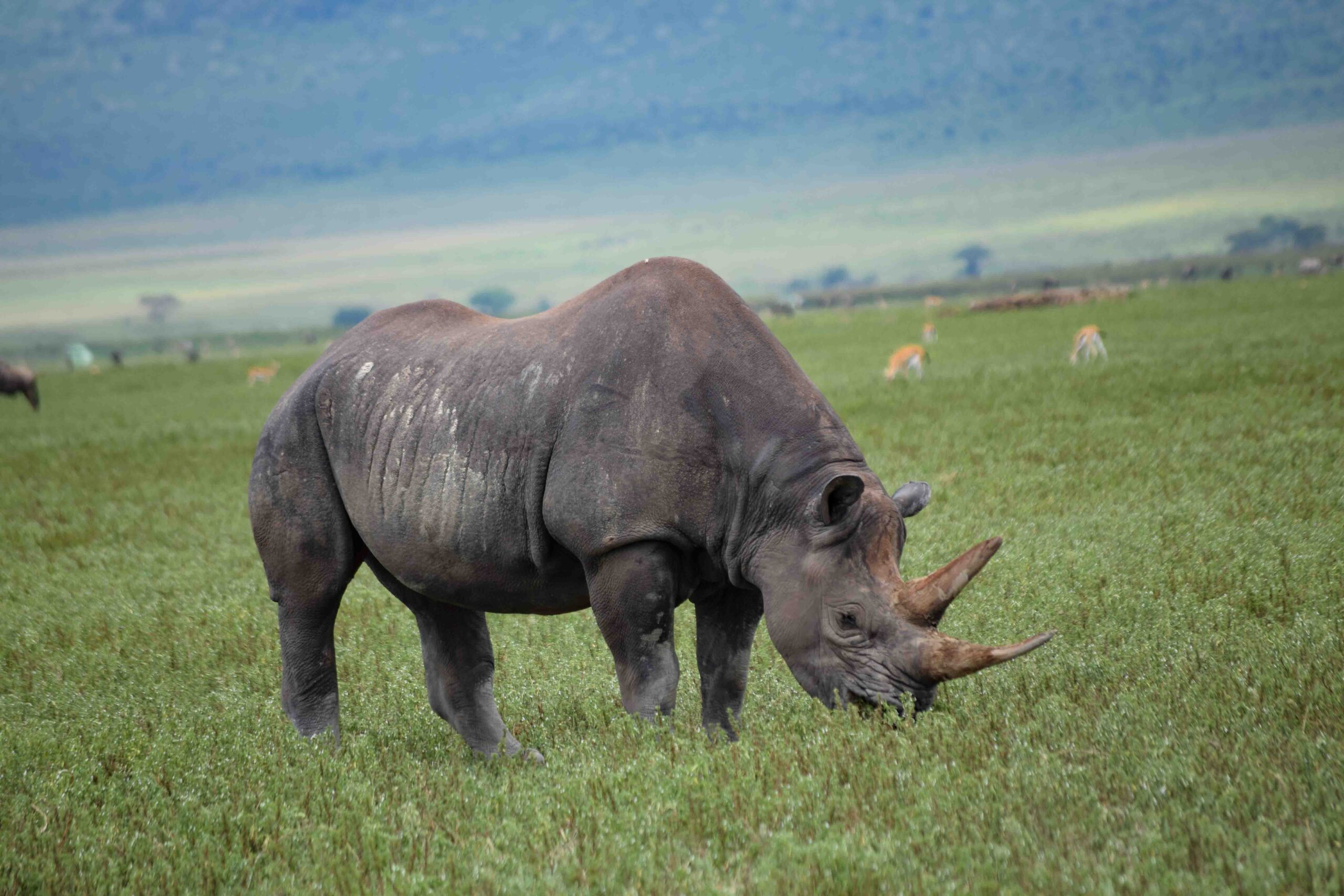
One of Ngorongoro’s most treasured wildlife sightings.
Ngorongoro is one of Tanzania’s most exciting destinations for travellers hoping to encounter several members of Africa’s legendary Big Five.
Lions and buffalo are among the animals regularly associated with the crater landscape, while elephants can be encountered within the wider Ngorongoro ecosystem. But for many safari travellers, one animal creates the greatest excitement: the black rhino.
Seeing a rhino in the vast crater landscape can become one of the defining moments of a Tanzania safari. Sightings are never guaranteed, which makes every encounter particularly special.
Watch for prides resting in the grasslands or moving across the open crater floor.
A highly prized Ngorongoro wildlife encounter and an unforgettable sight for safari travellers.
Mature elephants are an impressive presence within the wider Ngorongoro landscape.
Large-bodied African buffalo are an important part of the crater’s remarkable wildlife community.
The most elusive member of the Big Five and a much harder animal to encounter around Ngorongoro.
Our safari guides use their experience, knowledge of animal behaviour and local conditions to give you the best possible wildlife-viewing experience.
Descend into one of Tanzania’s most extraordinary natural safari landscapes.
A Ngorongoro safari day begins high above the crater before the road winds downward into a world of grasslands, wetlands, forests and wildlife.
Early morning is an excellent time to begin your descent. Cooler conditions can bring increased wildlife activity, while soft morning light creates beautiful conditions for photography across the crater floor.
Once inside the crater, your Go Vision guide explores different habitats while watching for lions, buffalo, zebras, wildebeest, hippos, hyenas and, with luck, the rare black rhino.
Begin with panoramic views before following the descent road toward the crater floor.
Explore grasslands where zebras, wildebeest, buffalo and predators may be encountered.
Pause at an authorized picnic area and enjoy lunch surrounded by the dramatic crater landscape.
Continue through changing habitats while looking for hippos, elephants, birds and additional wildlife.
Climb back toward the highlands with one final perspective across this remarkable volcanic landscape.
Start early. More time inside the crater means more opportunities to explore different habitats and observe changing wildlife activity.
The magic of Ngorongoro comes not only from the animals, but from the remarkable variety of habitats found across its volcanic landscape.
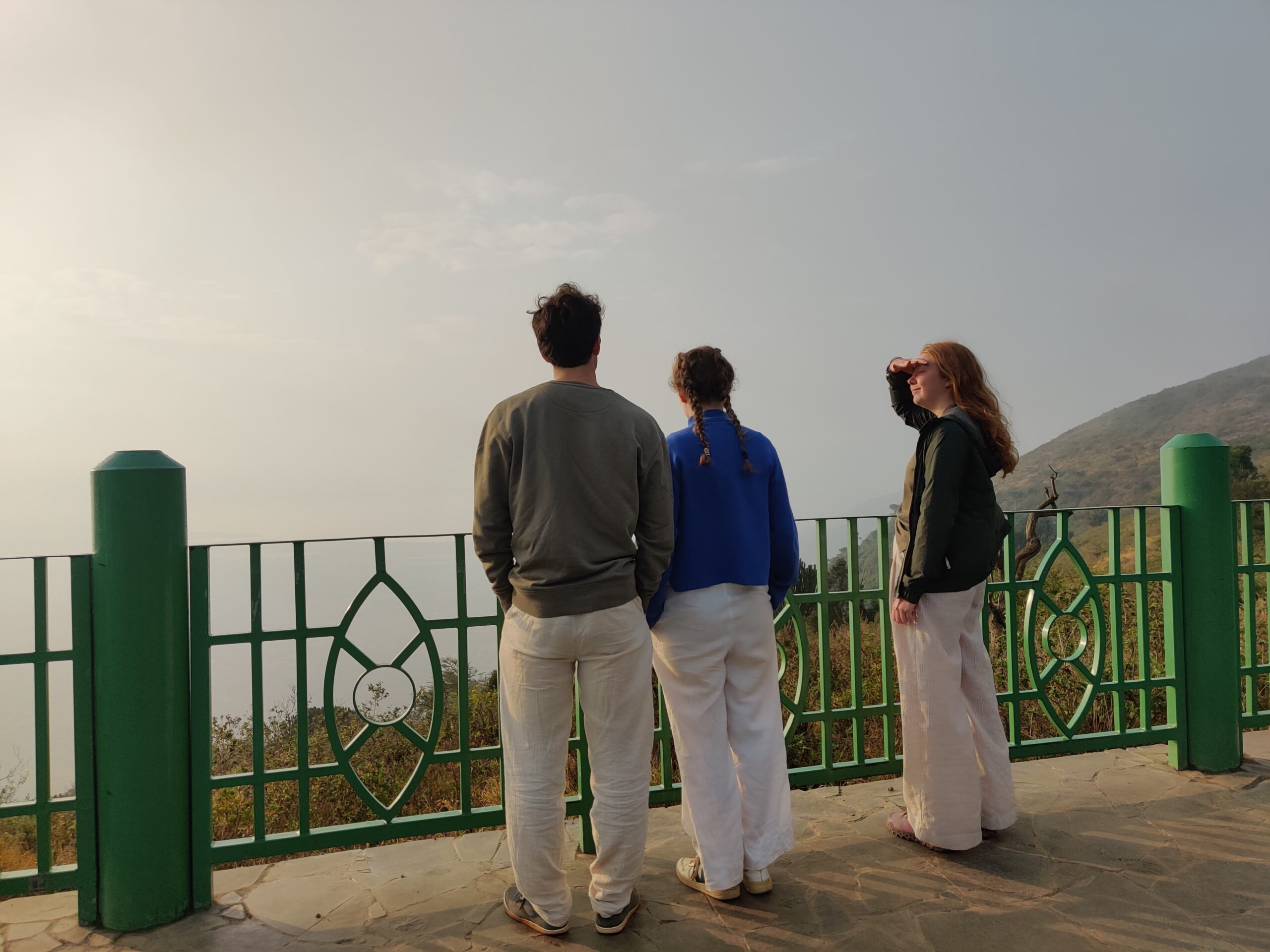
Follow your Go Vision safari guide through changing landscapes in search of wildlife, birds and unforgettable crater scenery.
Wide plains provide grazing grounds for zebras, wildebeest and buffalo while also creating excellent hunting territory for resident predators.
Zebra · Wildebeest · Lion · BuffaloFreshwater areas attract hippos, waterbirds and animals arriving to drink during a Ngorongoro game drive.
Hippo · Waterbirds · WildlifeWoodland and forested areas provide shade, shelter and a striking contrast to the open crater grasslands.
Elephant · Birds · Forest WildlifeShallow waters and open flats add another layer to Ngorongoro's ecosystem and can attract an impressive variety of birdlife.
Flamingos · Waders · WaterbirdsOne game drive can cross several ecosystems. That variety is one of the reasons a Ngorongoro Crater safari feels so rich and constantly changing.
Ngorongoro is not only a wildlife destination. It is also a living landscape shaped by generations of Maasai pastoral communities, highland traditions and a deep connection between people and the land.
As you travel through the wider Ngorongoro Conservation Area, you may see Maasai communities moving with livestock across the highlands. This relationship between people, cattle and landscape is an important part of the character of the region.
Cultural experiences should always be approached with respect. At Go Vision Safaris, the goal is not simply to “visit a tribe,” but to encourage meaningful encounters that help travellers better understand local traditions, livelihoods and the realities of life in northern Tanzania.
Cultural visits should respect privacy, local customs and the dignity of the communities welcoming travellers.
The Ngorongoro highlands are a lived-in landscape where pastoral life and wildlife exist within the same wider conservation environment.
The best cultural experiences create conversation, context and genuine understanding rather than treating local people as part of a display.
A great safari is not only about the animals you see, but also the landscapes, people and stories that help you understand Tanzania more deeply.
Ngorongoro offers rewarding wildlife viewing throughout the year, but each season creates a different safari atmosphere.
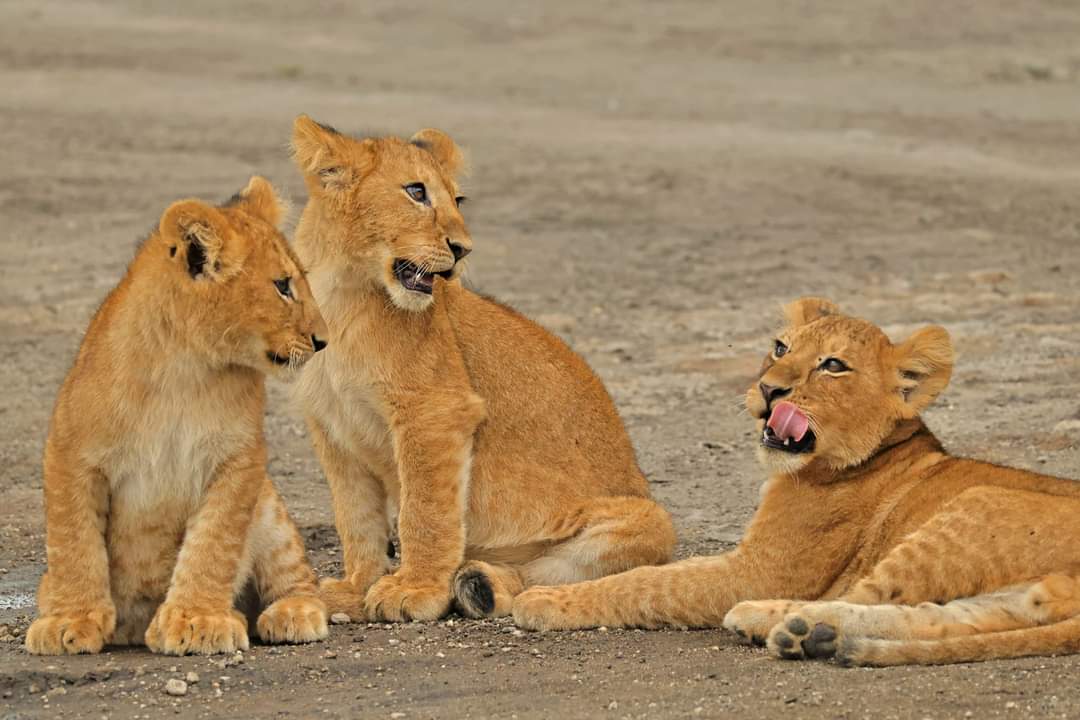
From dry-season wildlife viewing to greener landscapes and dramatic skies, Ngorongoro changes beautifully through the year.
Cooler and generally drier conditions make this a popular time for safari travel. Wildlife is often easier to observe around water sources and across the open crater floor.
Fresh vegetation transforms the highlands and crater surroundings, producing rich colours, dramatic skies and excellent photographic conditions.
These months can bring heavier rainfall, but the landscape becomes exceptionally lush. Travellers should be prepared for changing weather and wetter road conditions.
There is no single perfect month. The best time depends on whether you prioritise dry weather, green scenery, photography, birdlife or combining Ngorongoro with Serengeti and Tarangire.
Ngorongoro can be visited year-round. Your wider Tanzania itinerary should determine the best travel month, especially if you are also visiting Serengeti, Tarangire or Zanzibar.
Ngorongoro is a rewarding year-round safari destination. What changes through the seasons is the weather, scenery, visitor levels and overall atmosphere.
12 MONTHS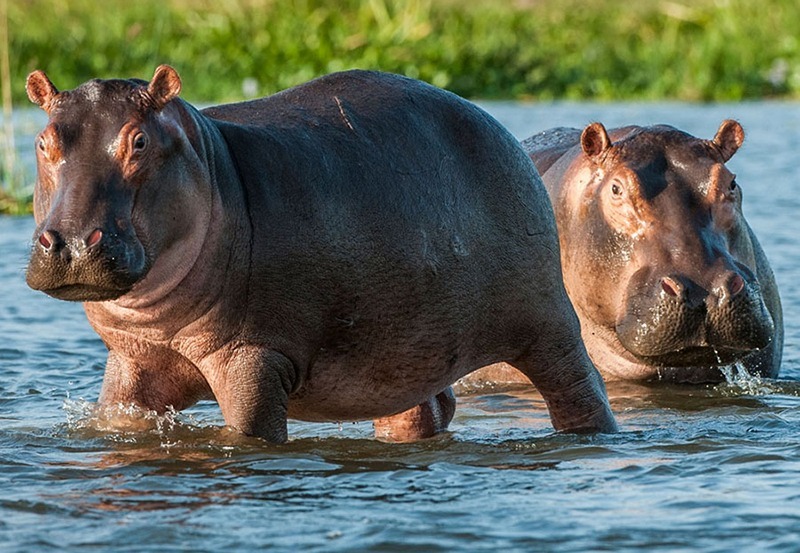
Choose your travel dates according to the wider Tanzania safari experience you want to create.
Green landscapes, active wildlife and beautiful photography conditions make January an attractive safari month.
GREEN SEASONExpect lush scenery and excellent opportunities to combine Ngorongoro with the southern Serengeti ecosystem.
EXCELLENT COMBINATIONThe landscape remains green while seasonal weather begins changing toward the wetter months.
PHOTOGRAPHYLong rains can create dramatic skies, vivid vegetation and quieter safari conditions.
LONG RAINSRain remains possible, while the crater and surrounding highlands can be exceptionally beautiful.
LUSH SCENERYConditions become progressively drier and cooler as the popular dry-season safari period begins.
DRY SEASONCool mornings and generally dry conditions make July a popular month for Northern Tanzania safaris.
POPULARExcellent conditions for combining Ngorongoro with Serengeti, Tarangire and other Northern Circuit destinations.
HIGH SEASONDry landscapes and reliable safari conditions continue across much of northern Tanzania.
WILDLIFEWarm conditions and changing skies mark the gradual transition toward the short rains.
TRANSITIONShort rains can refresh the landscape, bringing new colour to the crater surroundings and highlands.
SHORT RAINSGreen scenery and rewarding wildlife viewing make December an appealing time for a Tanzania safari holiday.
GREEN SEASONIf your safari also includes Serengeti, Tarangire, Kilimanjaro or Zanzibar, we recommend choosing your travel dates around the complete itinerary rather than Ngorongoro alone.
A Ngorongoro Crater safari is more than a game drive. It is a journey from misty highlands into one of Africa’s most dramatic natural wildlife arenas.
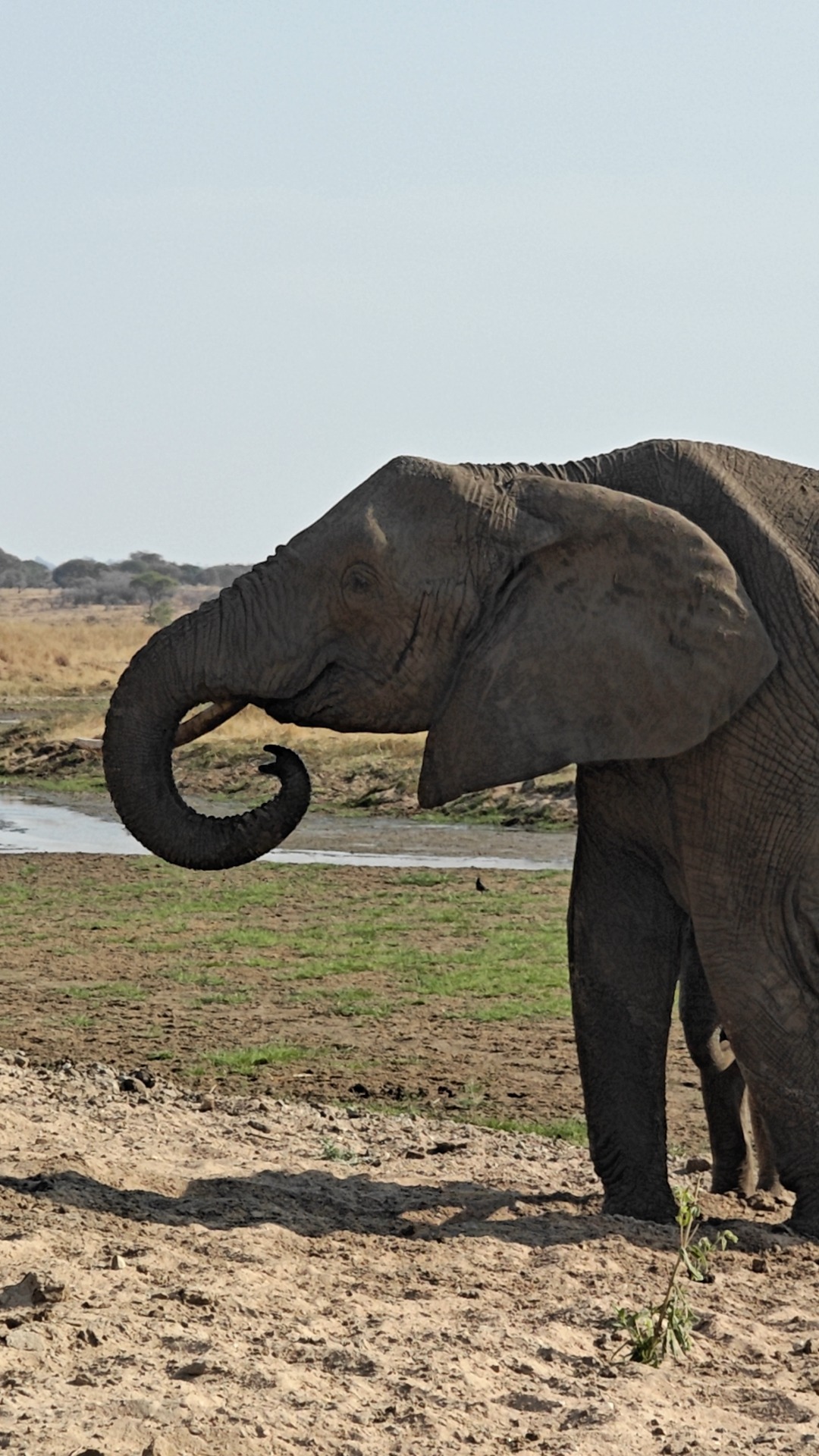
Every turn can reveal a new landscape, a new animal encounter or another unforgettable view.
Begin with sweeping views across the caldera before descending into the wildlife-rich basin below.
Follow the winding road downward as forest gives way to open grasslands and expansive crater scenery.
Your guide reads the landscape, animal behaviour and local conditions while searching for iconic species.
Stop at an authorized picnic area and enjoy lunch surrounded by the atmosphere of Ngorongoro.
Photograph wildlife against crater walls, wetlands, grasslands and changing highland light.
End your crater experience with one final perspective over this extraordinary volcanic wilderness.
An experienced safari guide does far more than drive. They interpret animal behaviour, explain the landscape, position the vehicle thoughtfully for viewing and photography, and help turn each wildlife encounter into a deeper understanding of Ngorongoro.
Ngorongoro is not only about big mammals. Its lakes, wetlands, grasslands and forests also create excellent habitats for a remarkable variety of birds.
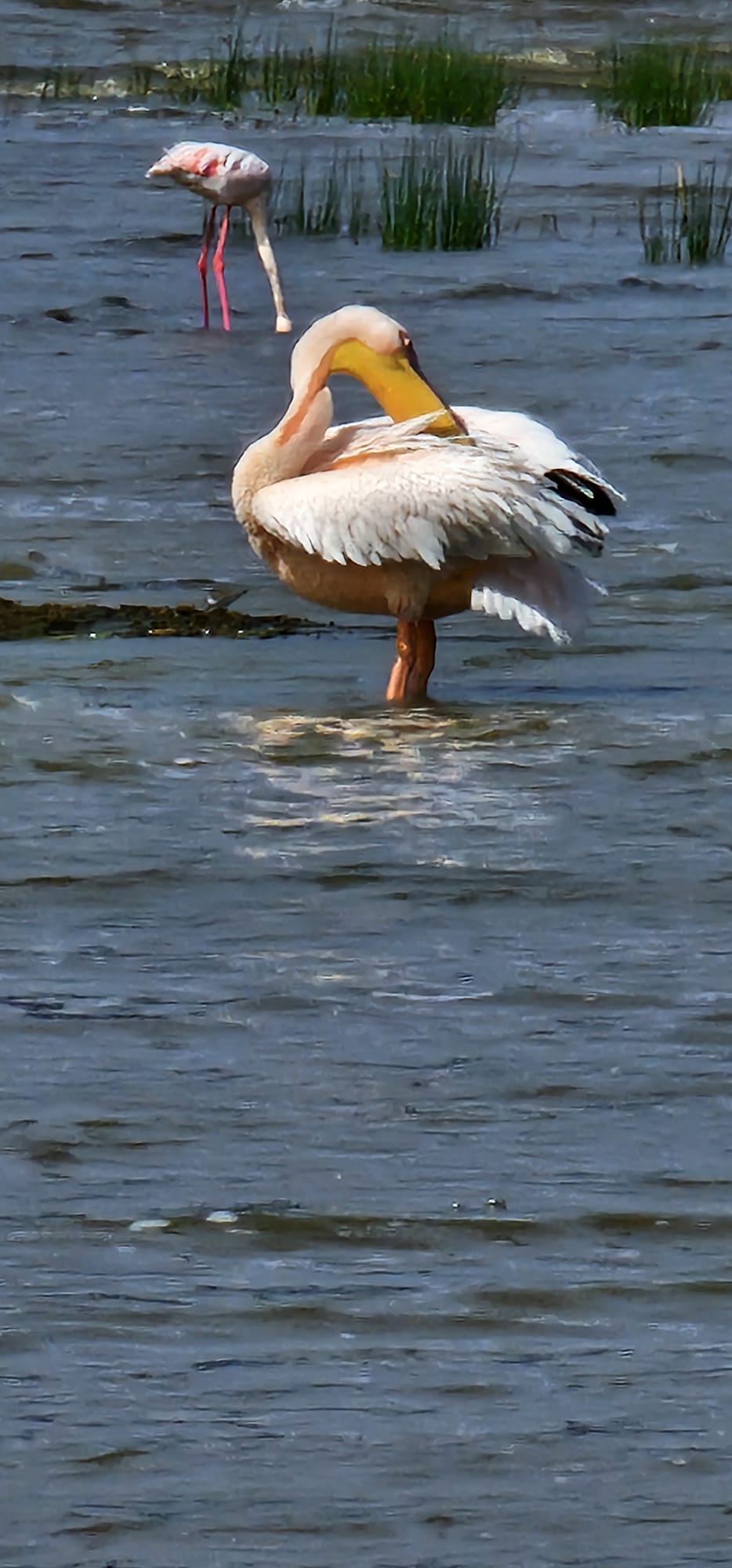
From open grasslands to crater lakes and forest edges, birdwatching adds another rewarding dimension to a Ngorongoro safari.
Shallow alkaline waters can attract flamingos and other waterbirds, adding colour to the crater landscape.
Grasslands support species adapted to open country and make bird spotting part of almost every game drive.
Pools and marshy areas attract herons, egrets, storks and other birds associated with water-rich habitats.
Forested areas around the crater rim provide another habitat for bird species different from those found on the open floor below.
Bring binoculars. Even travellers focused on mammals often discover that Ngorongoro’s birdlife becomes one of the unexpected highlights of the safari.
The wider Ngorongoro Conservation Area opens into a dramatic world of highlands, volcanic landscapes, remote craters and extraordinary archaeological history.
While the Ngorongoro Crater is the region’s most famous attraction, travellers who explore further discover a much broader landscape filled with scenic viewpoints, volcanic formations and important cultural and historical sites.
This wider area can add real depth to a Ngorongoro safari, especially for travellers interested in walking, photography, geology, archaeology and quieter landscapes beyond the main crater floor.
A remote volcanic crater surrounded by highland scenery and known for dramatic views, walking experiences and a very different atmosphere from Ngorongoro’s main crater.
A quieter highland destination offering rewarding scenery and a chance to experience another side of Ngorongoro’s volcanic landscape.
One of East Africa’s most important archaeological areas, offering valuable insight into early human history and the ancient landscapes of northern Tanzania.
Forested ridges, open highlands and crater viewpoints create excellent opportunities for photography and slower-paced exploration.
Discover the quieter side of Ngorongoro beyond the famous crater floor.
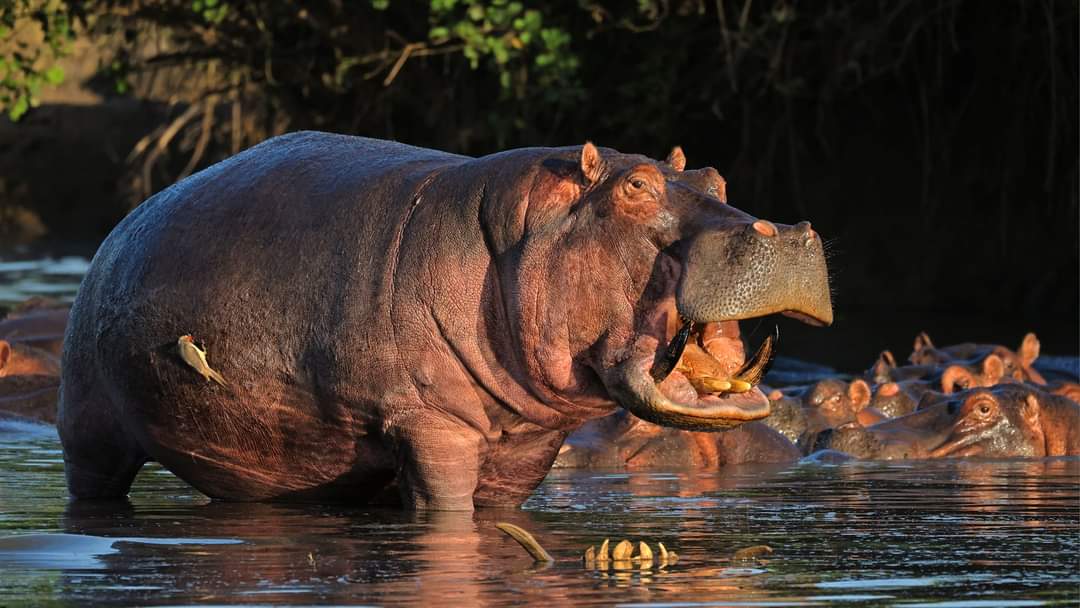
Ngorongoro connects naturally with Arusha, Tarangire, Lake Manyara and Serengeti.
Ngorongoro sits at the heart of Tanzania’s Northern Safari Circuit, making it easy to combine with several of the country’s most famous wildlife destinations.
Most Go Vision Safaris itineraries begin in Arusha or Moshi before travelling west toward Lake Manyara, Karatu and the Ngorongoro highlands. From there, the crater is easily incorporated into a multi-day safari.
Travellers continuing onward can follow the route toward the Serengeti, while those returning east can combine Ngorongoro with Tarangire National Park and Lake Manyara.
Arusha is the main starting point for many safaris heading toward Ngorongoro and the surrounding parks.
Travellers finishing a Kilimanjaro climb can continue directly into a Northern Tanzania safari that includes Ngorongoro.
Ngorongoro and Serengeti are commonly linked within the same itinerary, creating one of Tanzania’s most iconic safari combinations.
A private Go Vision safari allows more flexibility with stops, photography and the overall pace of your journey.
Ngorongoro fits naturally into a wider Northern Circuit journey, making it easy to combine dramatic crater scenery with elephants, migration landscapes and diverse national parks.
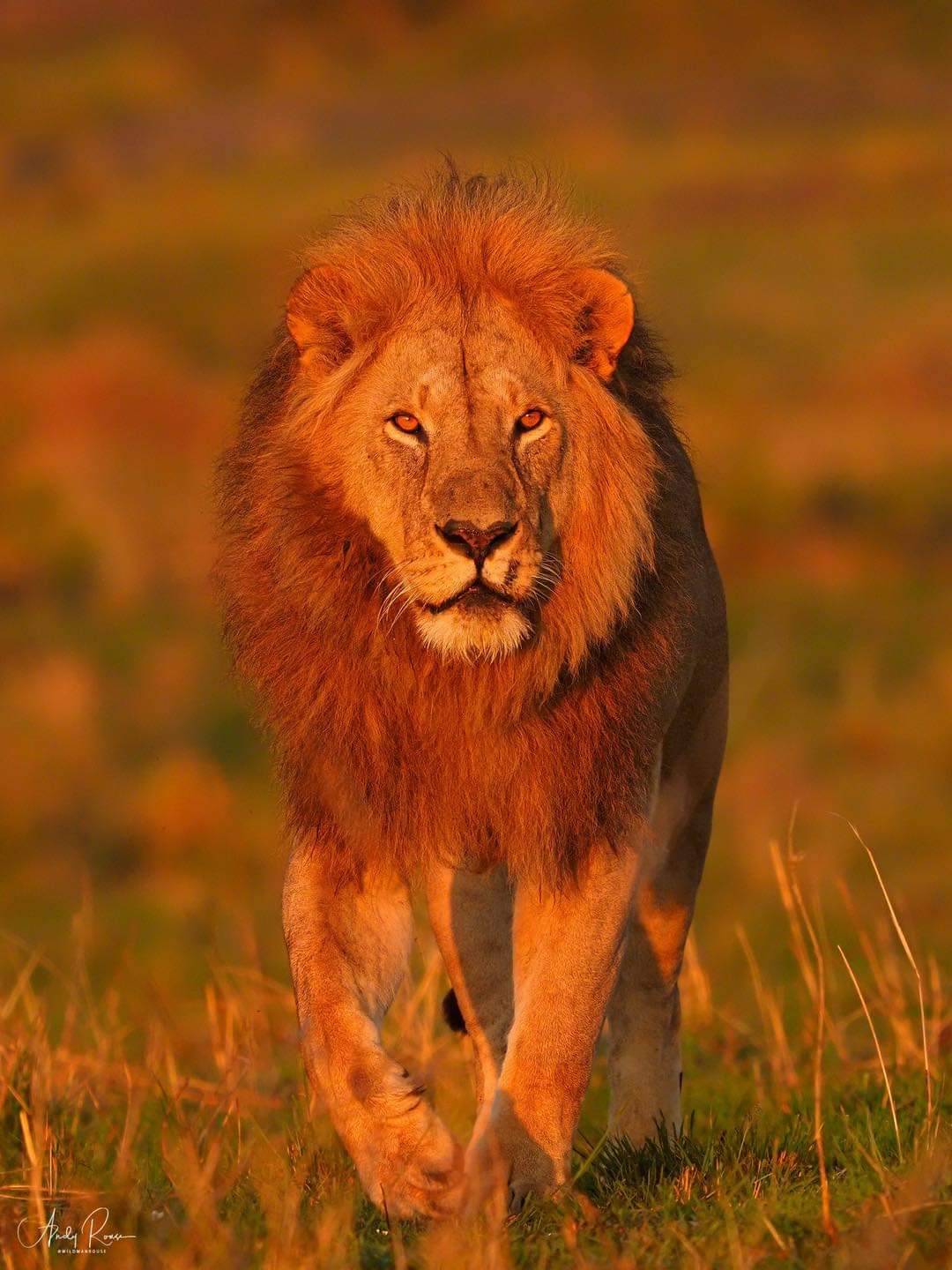
Move from volcanic highlands to endless plains, elephant country and wildlife-rich valleys on one seamless Tanzania safari.
Continue into the Serengeti for vast landscapes, predators, plains game and the possibility of experiencing the Great Migration.
Explore Serengeti →Add Tarangire for baobabs, riverine scenery and some of northern Tanzania’s most memorable elephant encounters.
Explore Tarangire →Lake Manyara adds forest, groundwater habitats, birdlife and a completely different visual character to a Northern Circuit safari.
Explore Lake Manyara →Combine the parks according to your travel dates, interests, wildlife priorities and available time.
Build My Safari →Go Vision Safari Planning: We can adjust the route according to your number of days, preferred pace, season and the wildlife experiences you most want to see.
View Tanzania SafarisFor most travellers, one well-planned crater day is enough to experience Ngorongoro’s main wildlife highlights, while extra time allows you to explore the wider highlands at a slower pace.
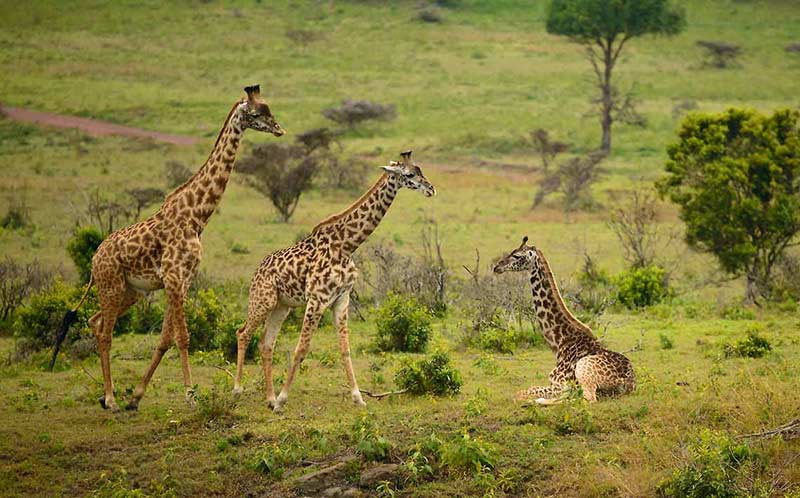
The best itinerary balances Ngorongoro with the other destinations on your Northern Tanzania safari.
For a classic Tanzania safari, we usually recommend spending enough time to enjoy the crater properly, then using the remaining days to experience contrasting destinations such as Serengeti and Tarangire.
Plan My ItineraryA little preparation can make your Ngorongoro Crater safari more comfortable, more rewarding and easier to enjoy from the first viewpoint to the final climb back to the rim.
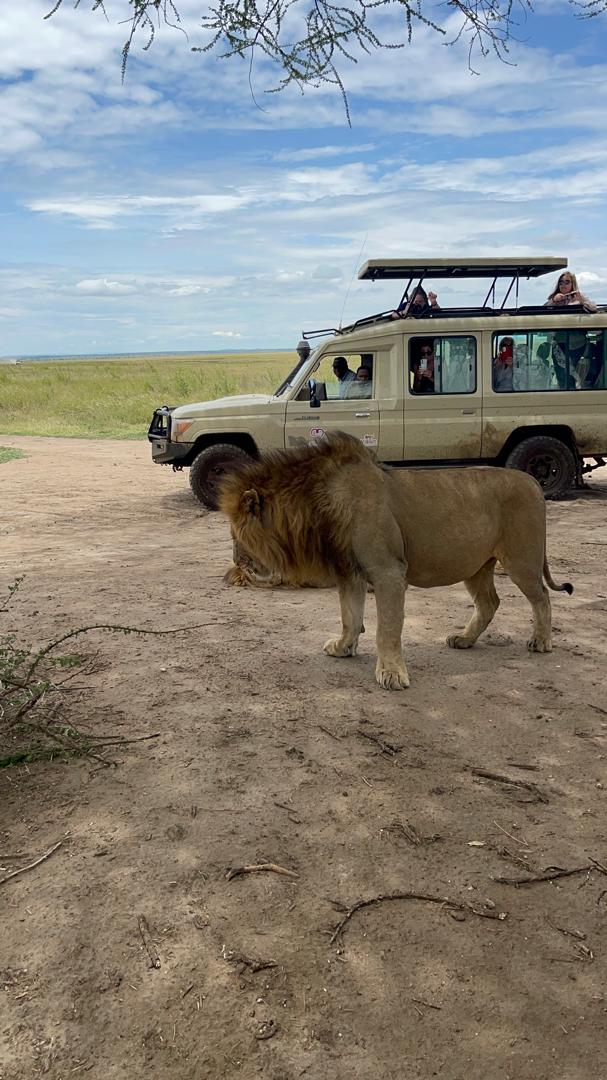
Cool mornings, changing weather and long game drives make practical preparation especially useful in Ngorongoro.
Early departures give you more time inside the crater and cooler conditions for wildlife viewing and photography.
The crater rim can feel cool, especially in the morning, while temperatures may become warmer on the crater floor.
Wildlife encounters can happen quickly, so keep cameras, binoculars and spare batteries within easy reach.
Animals move naturally through the landscape. Some of the best sightings happen when you allow your guide time to observe and wait.
Game drives can last several hours, so staying hydrated is an important part of a comfortable safari day.
Follow park regulations, avoid disturbing wildlife and keep all litter inside the safari vehicle.
Local guides understand wildlife behaviour, road conditions and the best ways to explore the crater responsibly.
Ngorongoro works best as part of a carefully paced Northern Circuit safari rather than as an isolated destination.
Need help preparing? Go Vision Safaris can advise you on packing, seasonal conditions, safari timing and how to combine Ngorongoro with the rest of your Tanzania itinerary.
Ask Go VisionFrom wildlife and weather to safari timing and combining Ngorongoro with Serengeti, here are answers to some of the most common questions travellers ask us.
We take care of the safari planning so you can focus on experiencing Ngorongoro.
Every Tanzania journey is different. Tell us your travel dates, number of days and the places you want to see, and we can help create a route around your interests.
Ask Go Vision →Yes. Ngorongoro combines dramatic volcanic scenery with exceptionally rewarding wildlife viewing in a relatively compact area. It is one of the signature experiences of Tanzania's Northern Safari Circuit.
One well-planned crater day works very well for many safari itineraries. Consider additional time if you want to explore the wider Ngorongoro highlands, archaeological sites or other nearby experiences.
Ngorongoro supports an impressive variety of wildlife, including lion, elephant, buffalo and black rhino. Leopards occur in the wider ecosystem but can be difficult to spot. Wildlife sightings are always natural and therefore never guaranteed.
Ngorongoro can be rewarding throughout the year. The dry months generally offer cooler, drier safari conditions, while greener periods bring lush scenery, changing skies and excellent photographic opportunities.
Absolutely. Ngorongoro and Serengeti are one of the most natural combinations in northern Tanzania and are commonly included in the same safari itinerary.
Explore Serengeti →Yes. Open grasslands, crater walls, wetlands and varied wildlife create excellent photographic opportunities. Binoculars, spare batteries and a suitable camera lens are useful additions to your safari bag.
Yes. Its scenery, wildlife diversity and convenient position within the Northern Circuit make Ngorongoro an excellent destination for first-time safari travellers.
Serengeti and Tarangire are excellent additions to a Ngorongoro safari. Lake Manyara can also fit naturally into many Northern Circuit routes. Your ideal combination depends on your travel dates and available time.
Explore Tanzania Safaris →Talk directly with Go Vision Safaris and let us help you build the right Tanzania itinerary.
Tell us when you want to travel, how many days you have and what you dream of seeing. Go Vision Safaris will help turn those ideas into a carefully planned Tanzania safari.
Crater Wildlife
Serengeti Connections
Private Tanzania Safaris
Local Safari Planning